






























Railroad & Locomotive Fans & Blowers
Locomotive Fans
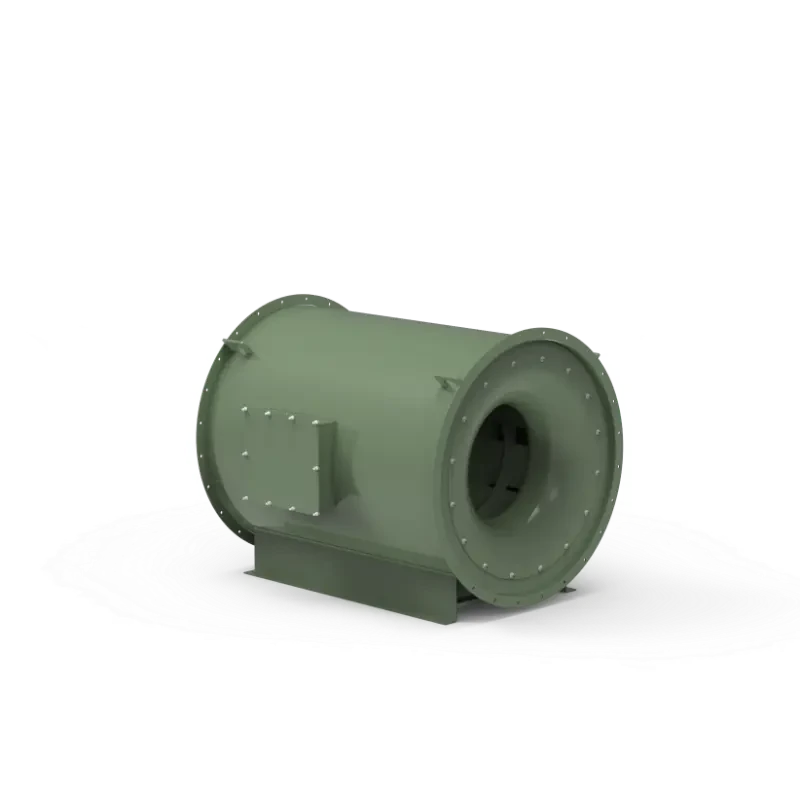
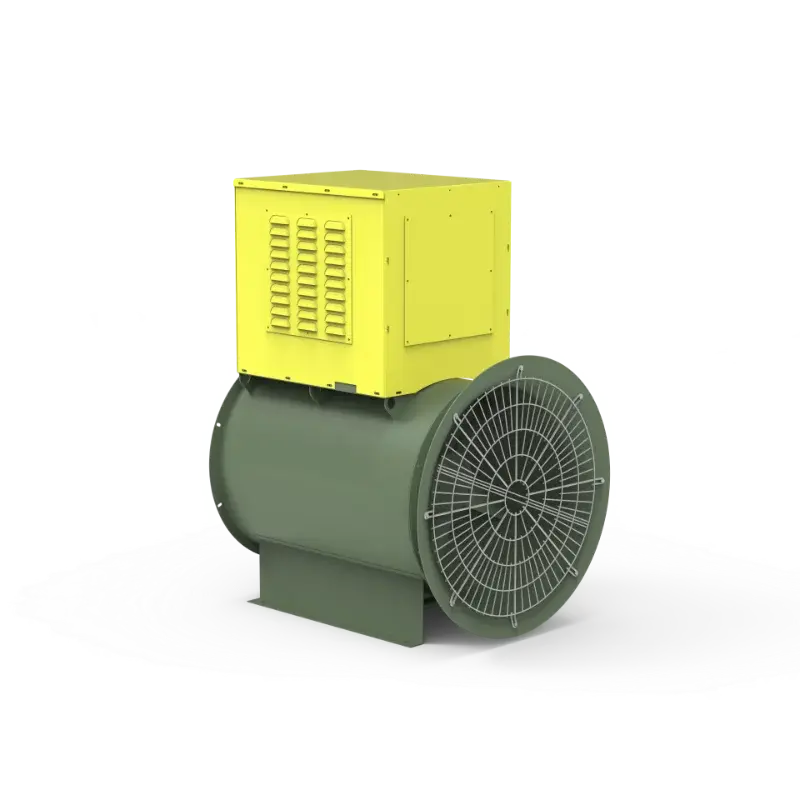
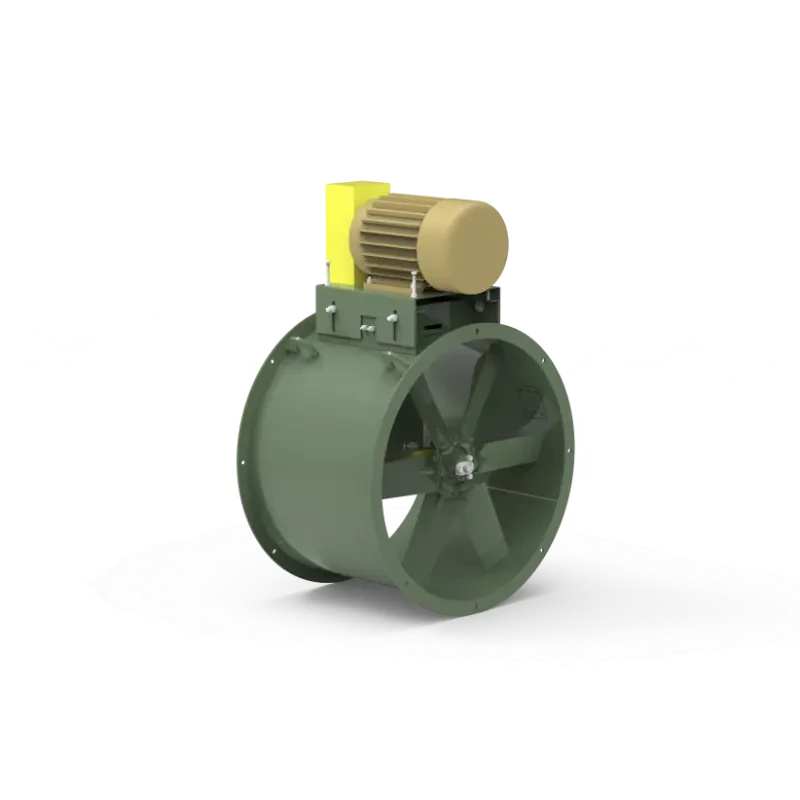
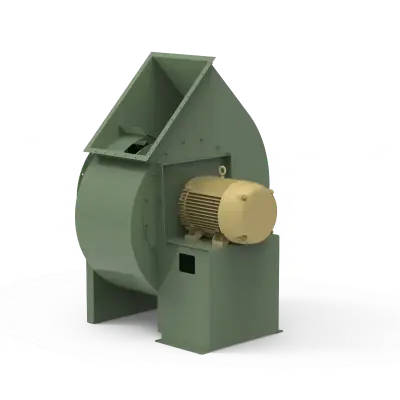
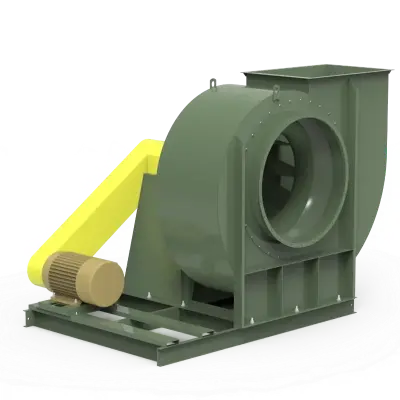
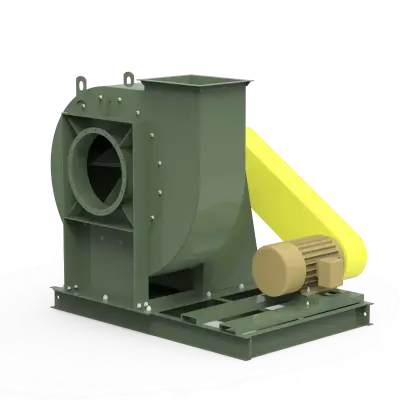
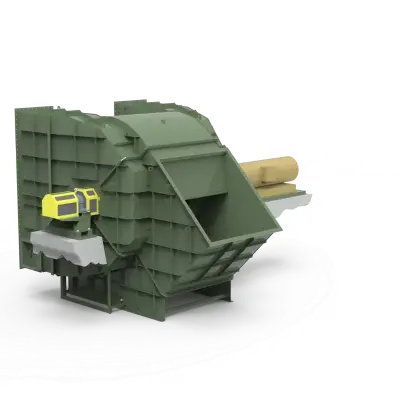
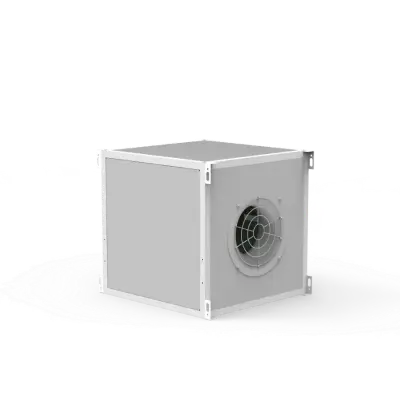
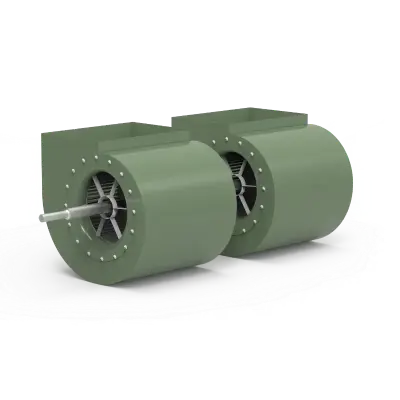
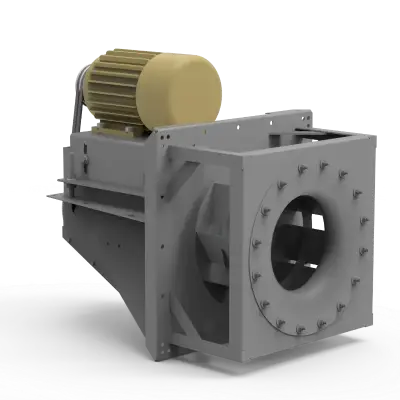
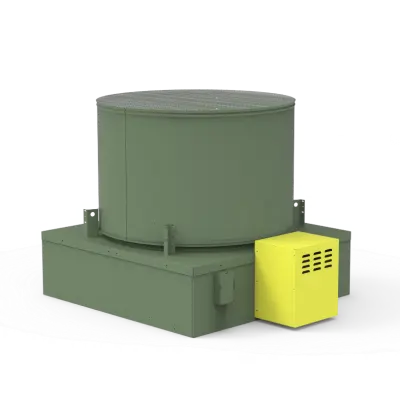
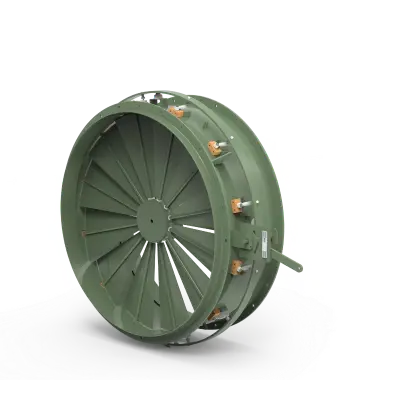
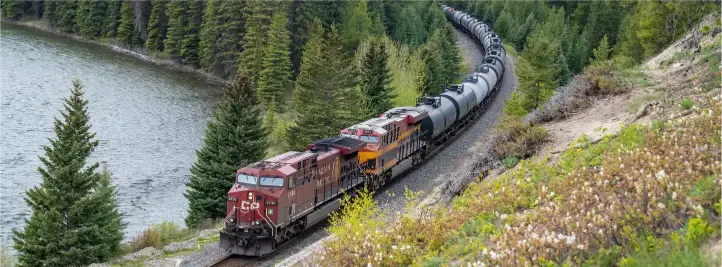
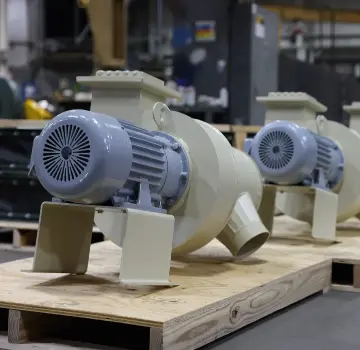
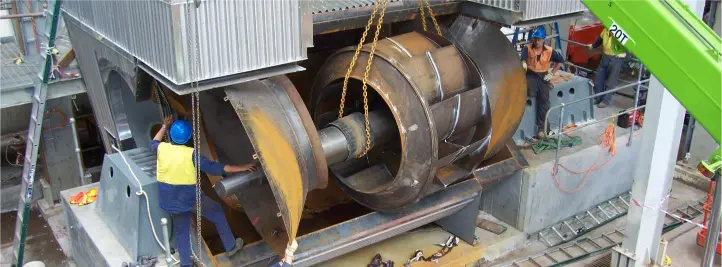
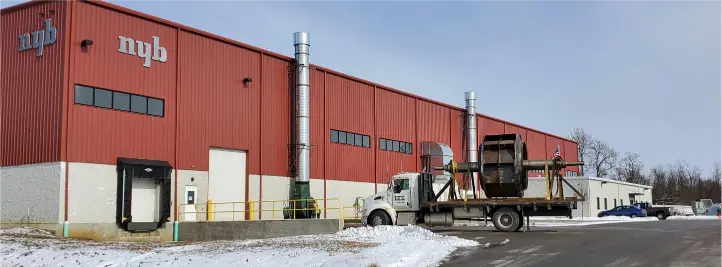
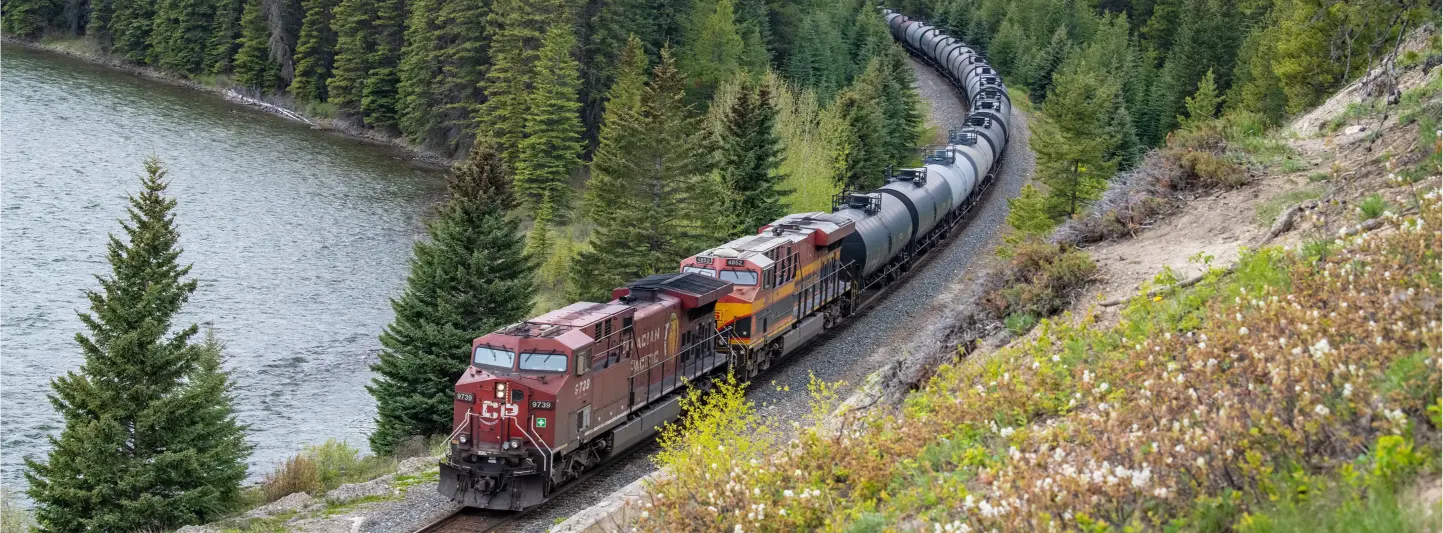
New York Blower fans and blowers can be found in locomotives throughout the world. nyb fans supplied for the locomotive industry are highly engineered and undergo rigorous prototype testing to ensure a long service life while enduring constant vibration, cycling, temperature fluctuations, and elevation changes. nyb proudly carries the AAR M-1003 certificate, which is earned by satisfying the strict requirements put forth by the Association of American Railroads (AAR) quality assurance program.
Technical Specs
Technical Specs for Railroad & Locomotive Fans
Design Features
- Heavy Gauge Construction
- Compact Designs
Available Materials of Construction
- Mild Steel
- Stainless Steel
- Aluminum
Common Applications
- Process Cooling
Applications
Applications of Industrial Locomotive Blowers
- Traction Motor Cooling: Traction motors (used to drive the wheels) generate significant heat. Axial or centrifugal fans are used to blow air directly over motor components, particularly in electric and diesel-electric locomotives.
- Generator/Alternator Cooling: In diesel-electric locomotives, the diesel engine drives an alternator or generator. Fans are used to cool these power-generation units to prevent overheating and electrical failures.
- Electrical Cabinet Cooling and Dust Control: Locomotives house sensitive electronics and power control systems in enclosures that require forced-air ventilation and locomotive cooling fans to dissipate heat and provide clean air.
- Dynamic Braking Resistor Cooling: During dynamic braking, traction motors act as generators, and the electrical energy is dissipated as heat through resistor grids. High-volume fans are used to cool these grids.
- Air Compressor Cooling: Compressors for pneumatic systems (brakes, horn, etc.) generate heat and require cooling fans for thermal regulation.
Key Design Considerations
Key Design Considerations for Railroad Fans
- Vibration Resistance: Must endure constant vibration and shock.
- High Temperature Tolerance: Operate in elevated ambient and component temperatures.
- Compactness & Efficiency: Space constraints and power consumption are critical, especially in cab fans.
- Durability: Long operational life with minimal maintenance in harsh environments.
Fan Types
Fan Types Commonly Used in Railroad Industry
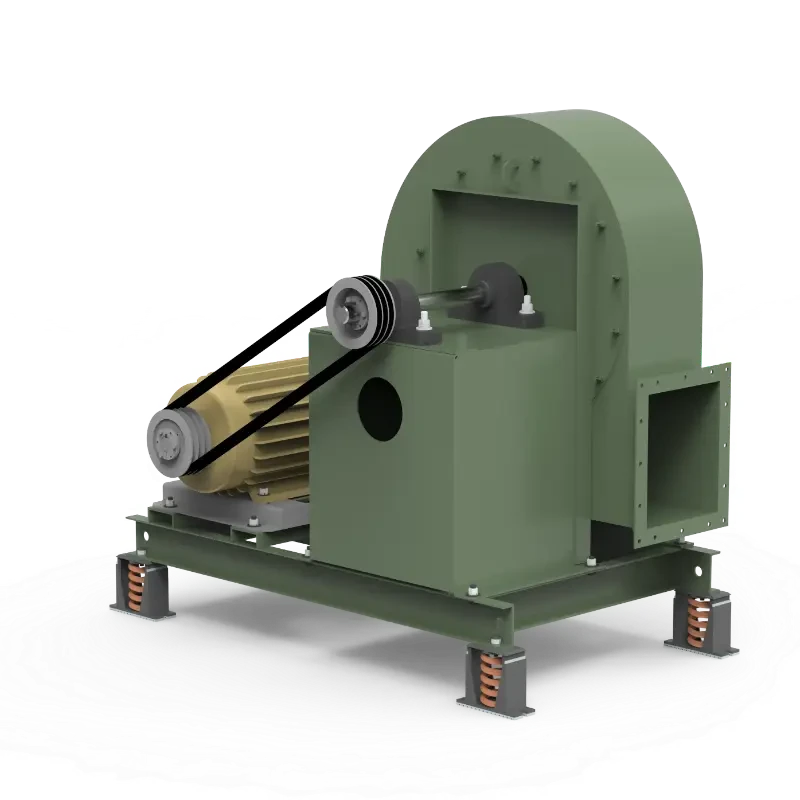
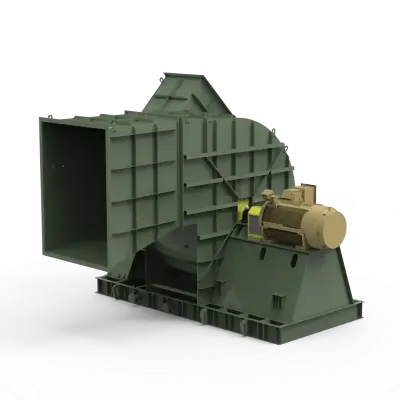
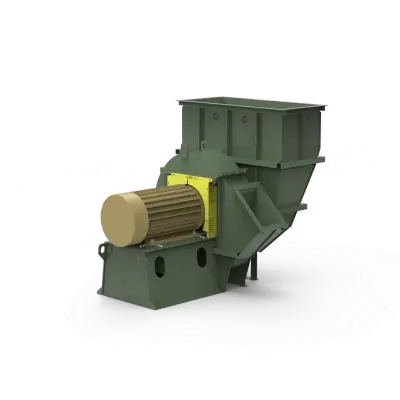
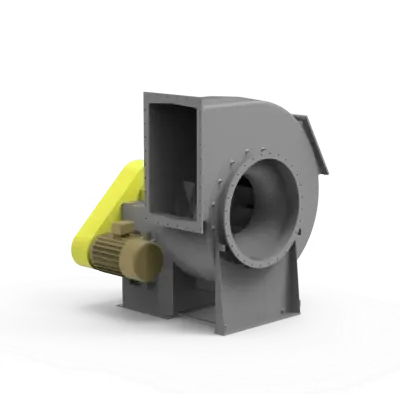
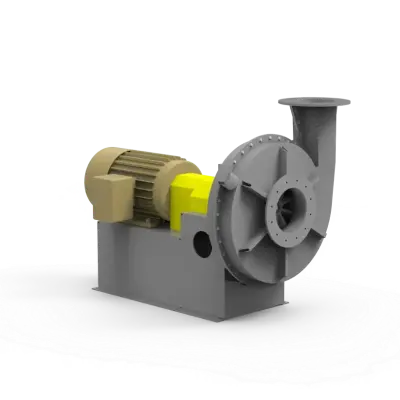
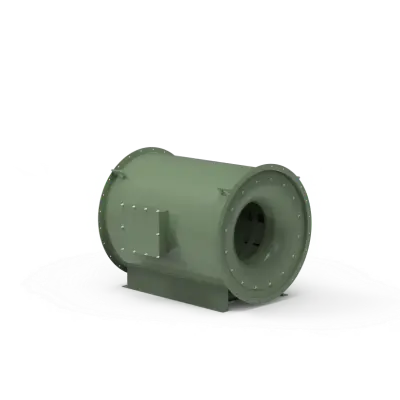
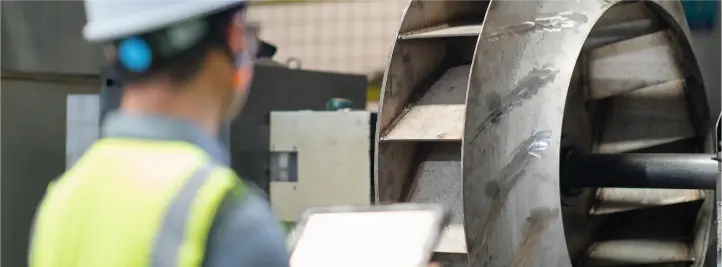
Centrifugal Fans (Radial or Backward Inclined)
- Use: Traction motor, alternator/generator, and electrical cabinet cooling.
- Design: Air enters axially and exits radially.
- Benefits: Better for higher static pressures; handles dirty or moist air well.
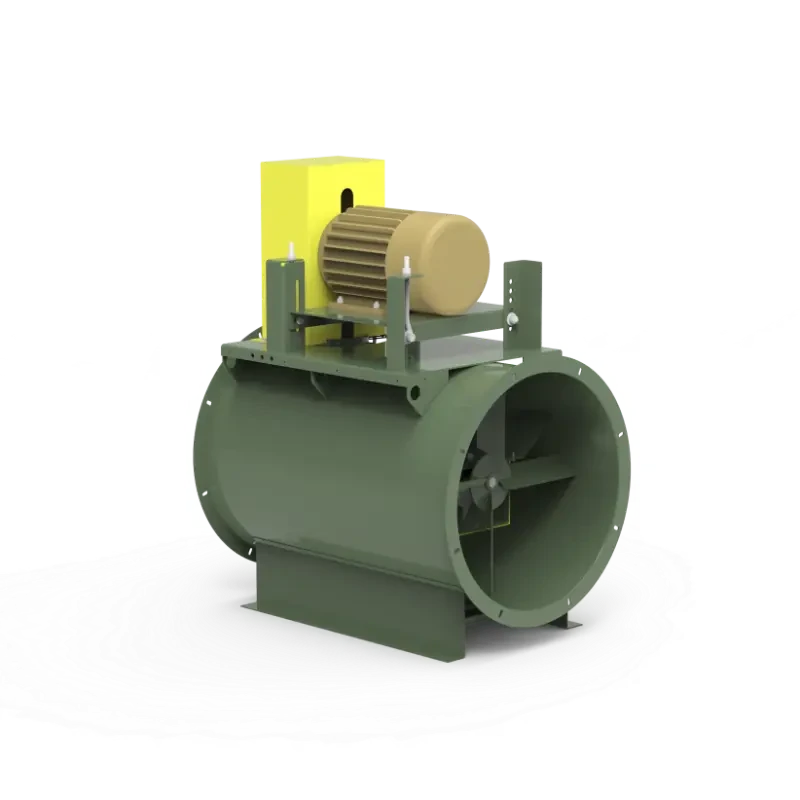
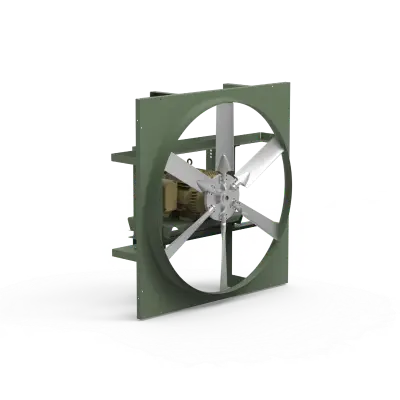
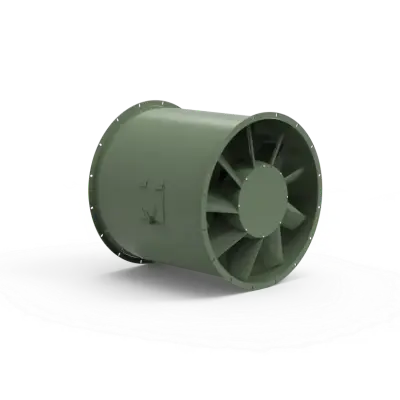
Axial Fans
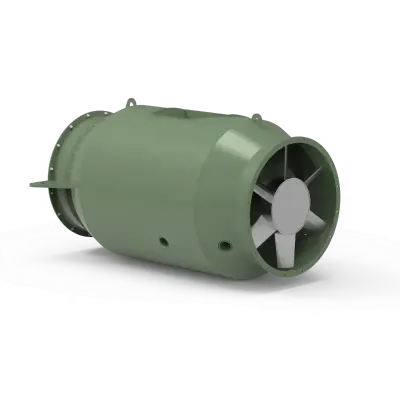
- Use: Radiator cooling, HVAC systems, dynamic brake grid cooling.
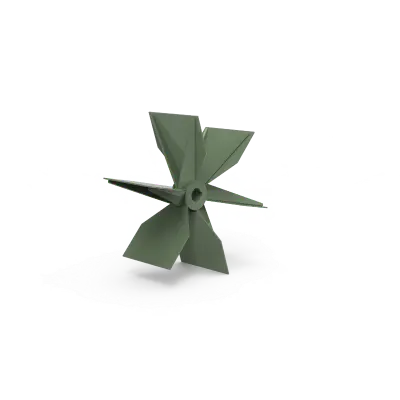
- Design: Propeller-style blades move air parallel to the fan axis.
- Benefits: High airflow, compact design, efficient at low pressure drops.
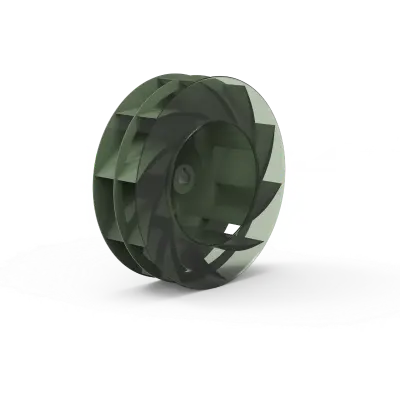
Common Wheel (Impeller) Designs
- Radial
- Use: High-pressure applications, such as generator and traction motor cooling.
- Strengths: Rugged, good for dirty air, resistant to wear and clogging.
- Backward-Inclined
- Use: Engine and resistor cooling systems.
- Strengths: High efficiency, better handling of higher pressures with lower noise.
Challenges and Regulations
Challenges Faced and Regulations for Locomotive Blowers
Industrial locomotive fans face several challenges, including harsh environments (dust, vibration, moisture), tight space constraints, high thermal loads, and the need for low noise and vibration. They must also be durable, low-maintenance, and electrically compatible with locomotive systems. Regulatory compliance is critical, requiring adherence to standards such as AAR and preventing system interference. Fans must also support compliance with EPA Tier 4 or EU Stage V emissions standards by enabling efficient engine cooling. Noise limits imposed by rail authorities further restrict fan design. Lifecycle testing for shock, vibration, and long-term reliability is essential. These requirements drive the need for robust, compact, and efficient fan systems that ensure safety, performance, and regulatory approval in locomotive applications.
Related Products
Explore related fans.