












































Process Cooling

Industrial Process Cooling Fans
When industrial processes generate heat, cooling airflow keeps production running smoothly. nyb industrial process cooling fans help regulate temperature, protect equipment, and maintain product quality in even the most demanding environments.
Technical Specs
Technical Specs for Process Cooling Fans
Design Features
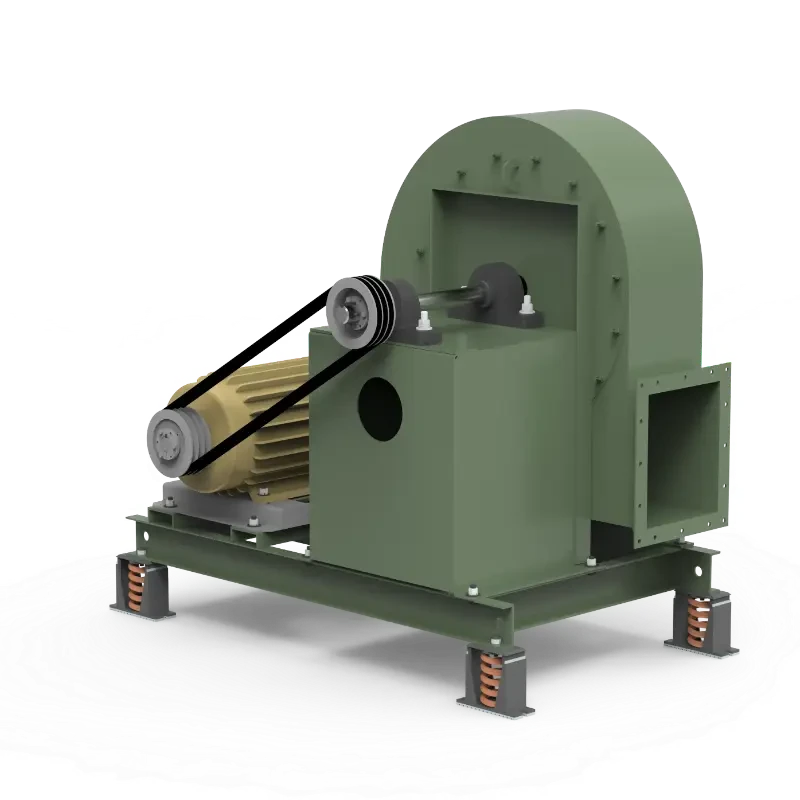
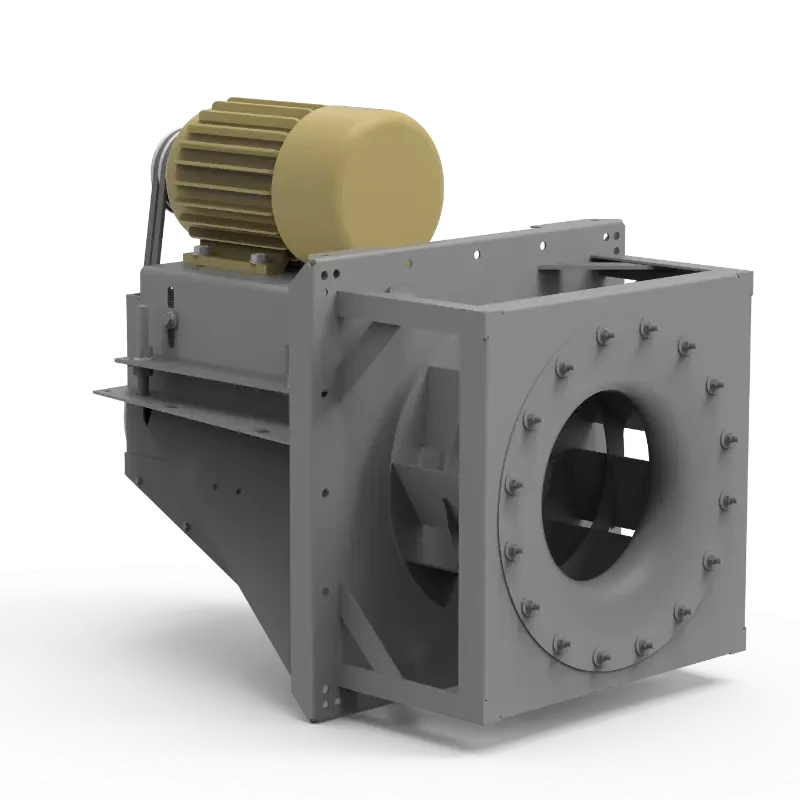
- Belt Drive or Direct Drive
- Bearings and Motors Isolated from the Process
- Shaft Seals with Ceramic Felt or Double Lip Elements
- Housing Cleanout Doors
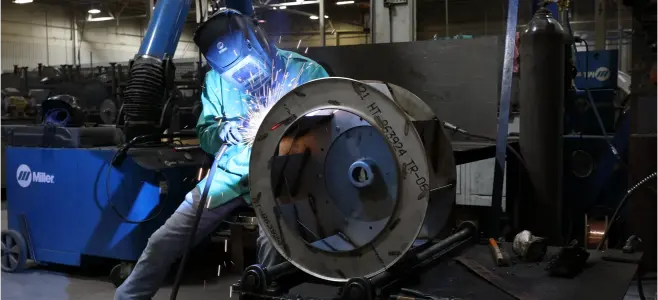
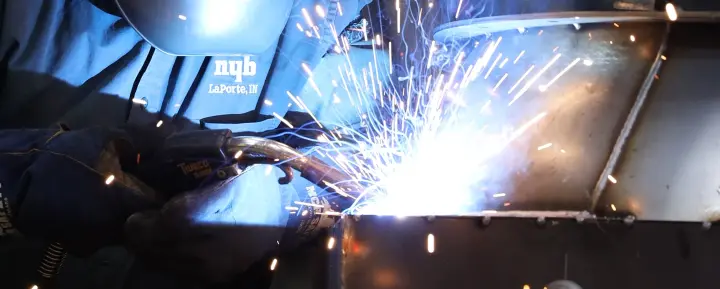
- Continuous Welding and Polishing
- Safety Guards and Electrical Disconnect
- Ambient Air Inlet Filter and Silencer
Available Materials of Construction
- Carbon Steel
- Stainless Steel
- FRP
Common Industries
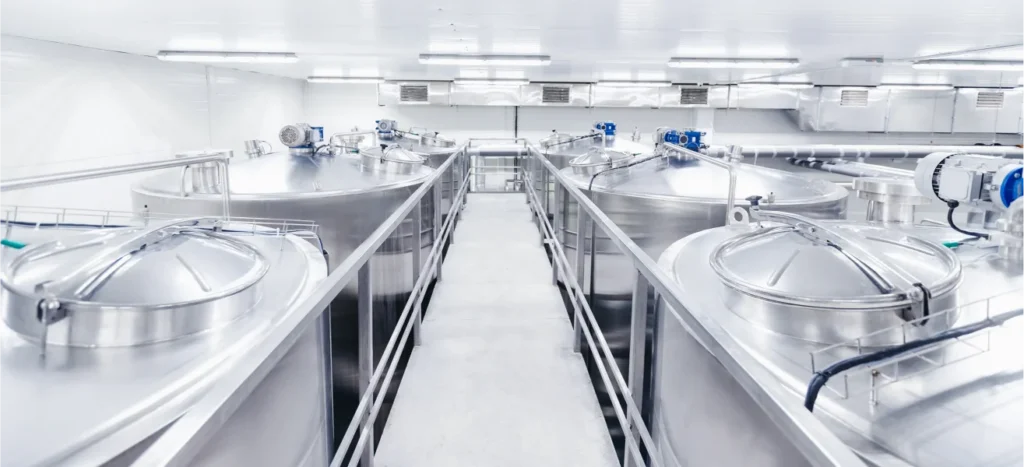
- Food & Beverage
Applications
Applications of Industrial Fans for Process Air Cooling
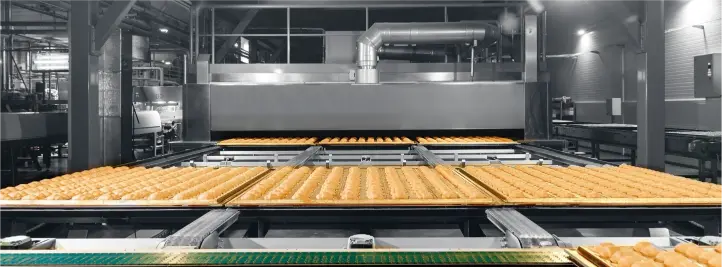
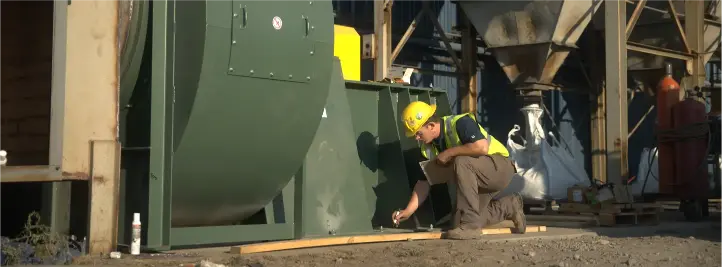
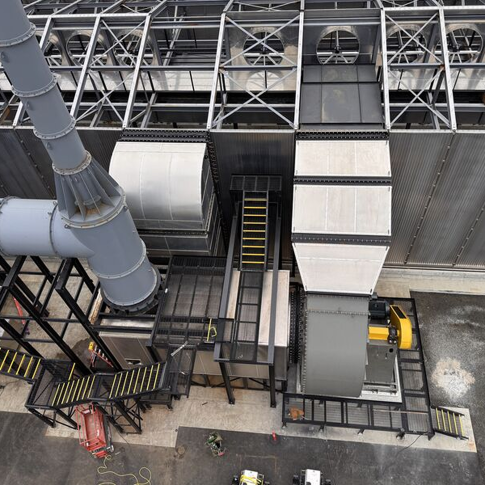
Industrial cooling fans are critical for maintaining safe operating temperatures across a wide range of production environments. These fans help extract excess heat from machinery, workspaces, or process air streams, ensuring consistent product quality and reducing the risk of equipment damage or thermal shutdown. In food processing and flash freezing applications, fans are often used to drive cool air across evaporator coils or directly across product surfaces. In other industries, fans for process air cooling may inject cool ambient air into hot exhaust paths or assist in cooling sensitive electronics, molds, or heated tooling. nyb fans support both standalone and integrated cooling systems by delivering the airflow and pressure needed for fast, controlled heat removal. Whether working with air-cooled heat exchangers, chillers, or open industrial workspaces, these fans ensure efficient process temperature management without disrupting workflow.
Key Design Considerations
Key Design Considerations for Industrial Cooling Fans
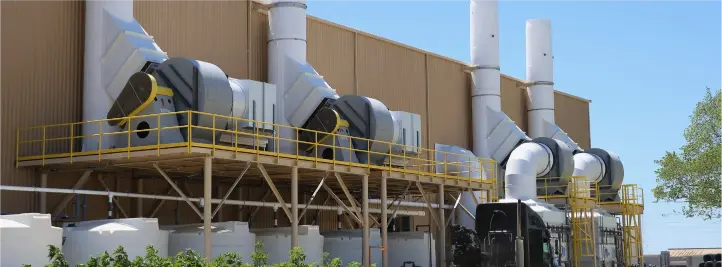
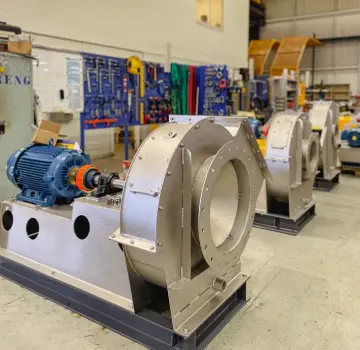
Cooling fans must operate reliably in environments with wide-ranging temperatures, frequent sanitation cycles, or exposure to moisture and corrosive materials. nyb fans are available in carbon steel, stainless steel, and FRP, with designs that support glass-bead blasting or polished finishes for hygienic or washdown zones. Bearings and motors are isolated from the airstream to protect moving components, and ceramic felt or double lip shaft seals help prevent ingress of water, dust, or heat. Additional features such as clean-out doors, electrical disconnects, inlet filters, and silencers enhance performance and simplify compliance with safety and maintenance standards. These industrial cooling fan designs support long-term durability in a variety of industrial applications including food plants, pharmaceutical settings, plastics cooling, and electronics manufacturing.
Fan Types
Fan Types Commonly Used in Process Cooling
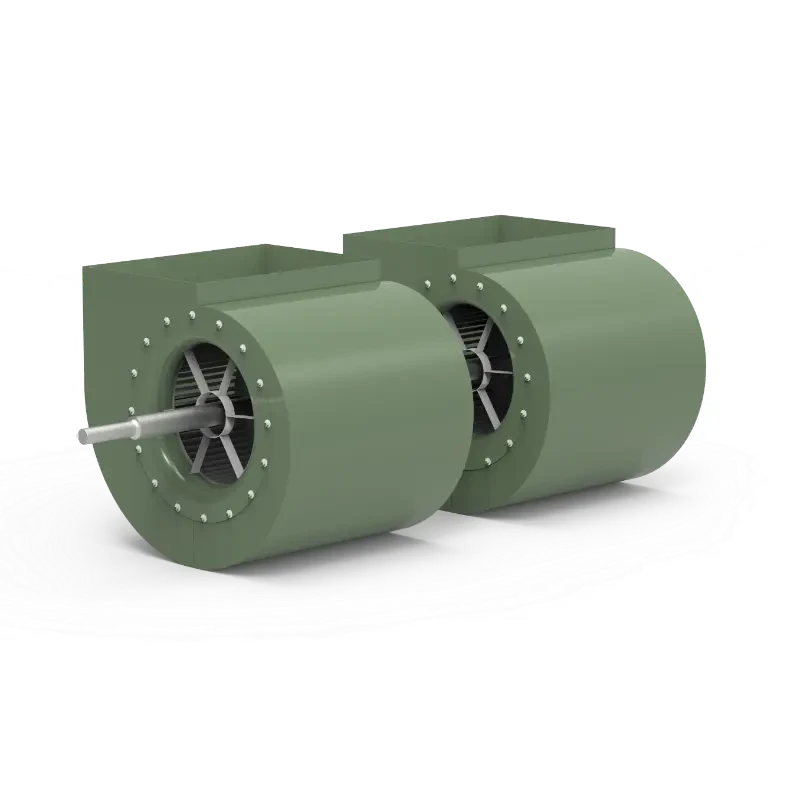
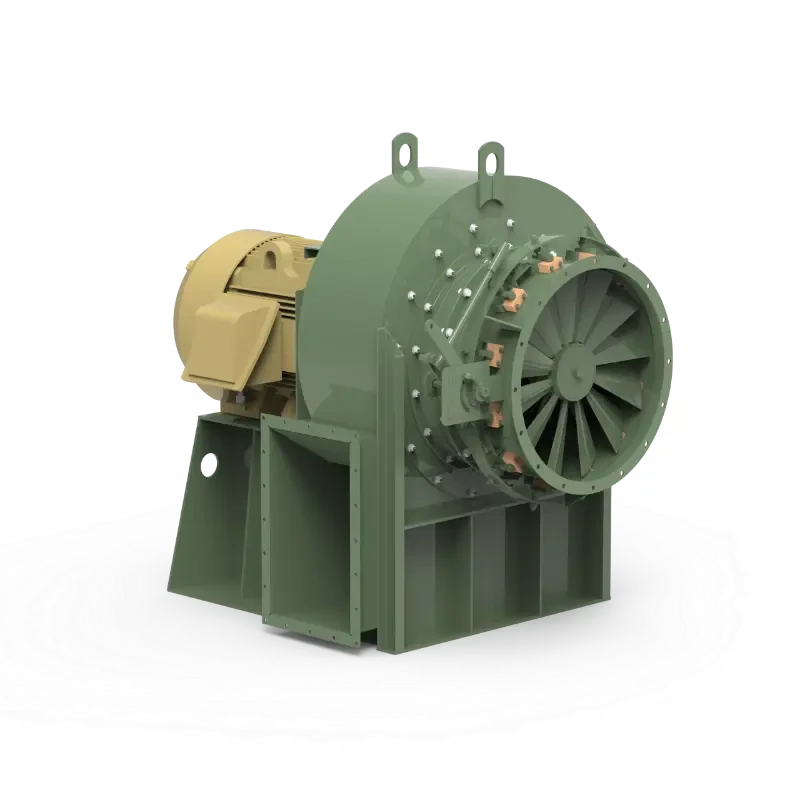
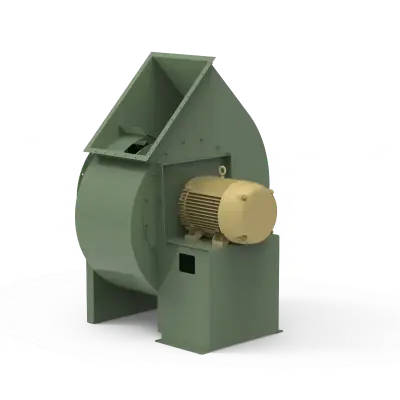
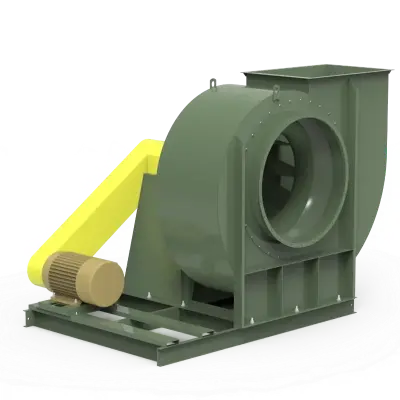
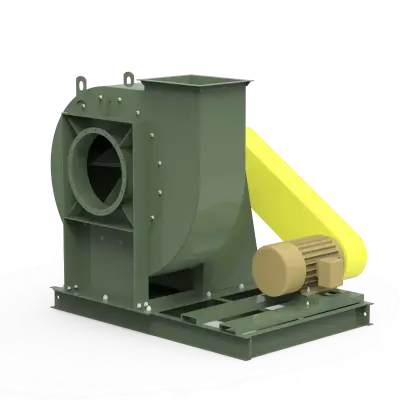
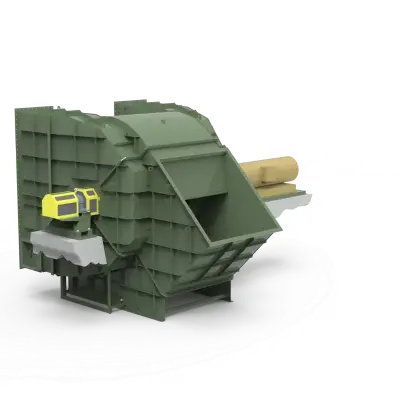
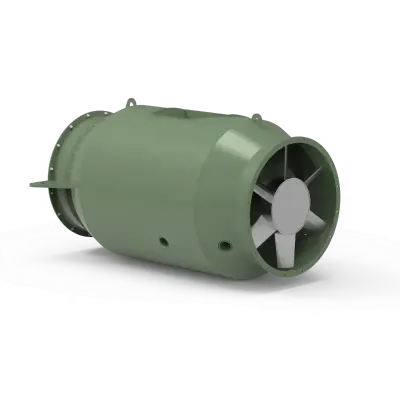
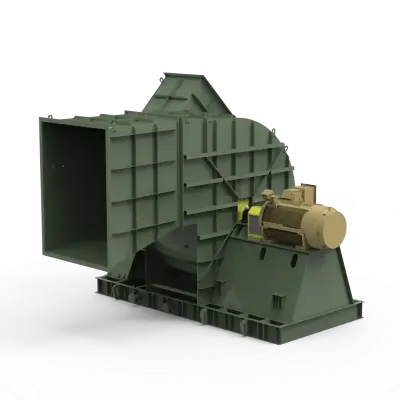
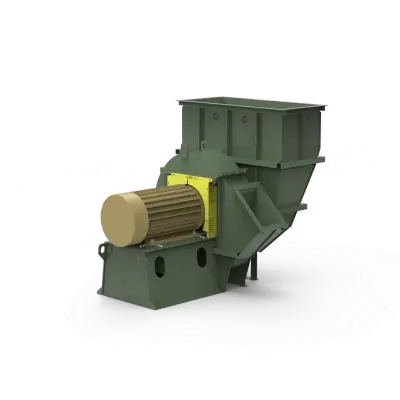
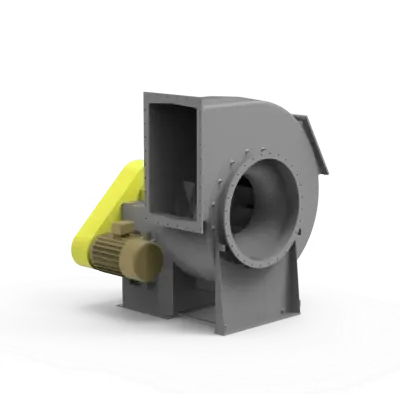
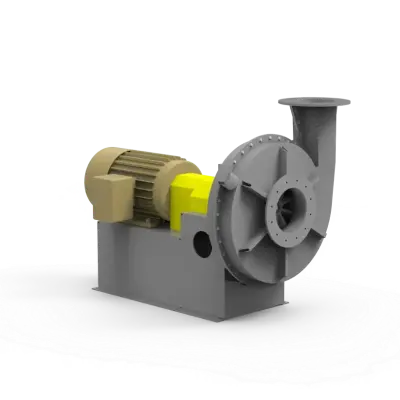
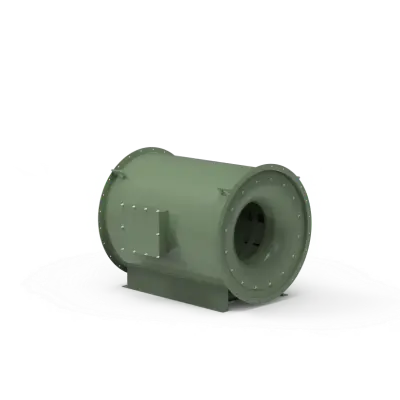
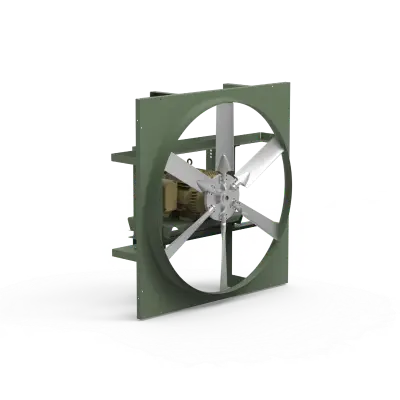
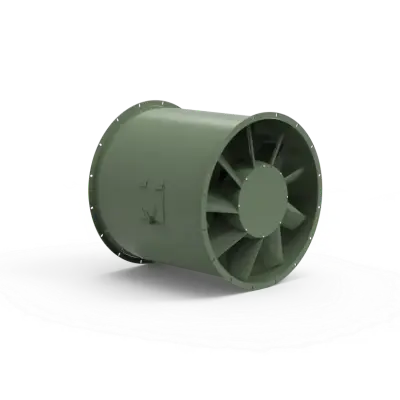
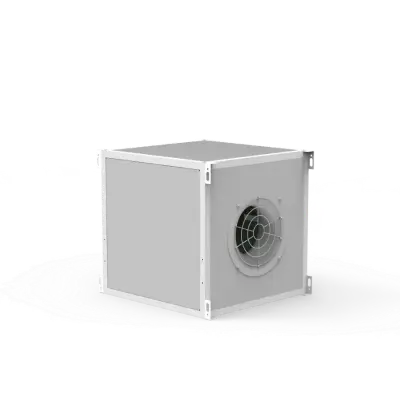
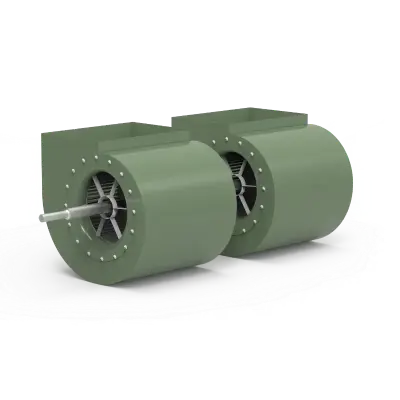
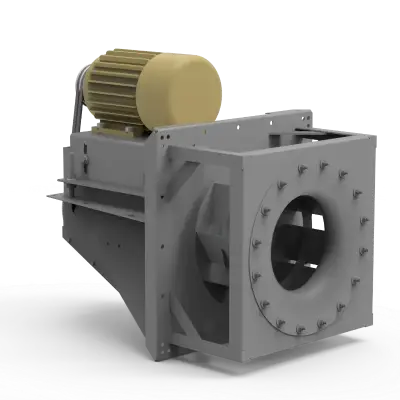
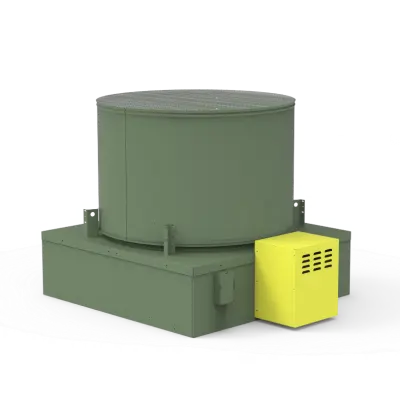
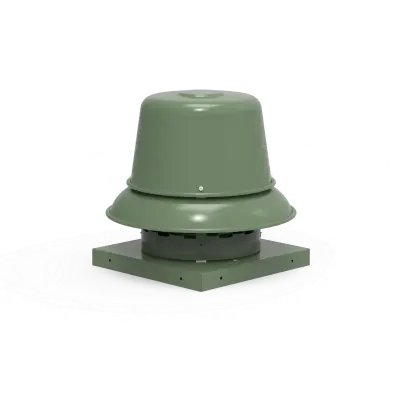
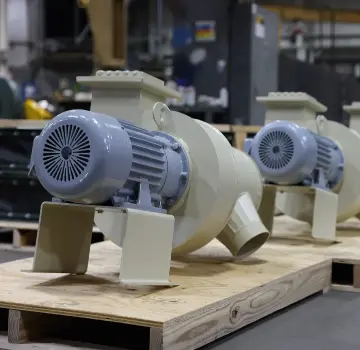
Process cooling applications often demand consistent airflow and resistance to temperature cycling or corrosion. Plug fans and air kits are common for their efficiency and compact form factor in modular or enclosed systems. Centrifugal models such as High Pressure Backward Curved Fans, Compact Pressure Blowers, and RTS Fans are used where static pressure is a concern. nyb also supplies Series 20, 30, & 45 GI Fans, General Purpose Fans, AF-30, AF-40, & AF-50 Fans, BC-20 & BC-40 Fans, and Junior Fans for general use, including direct equipment cooling or ducted airflow through exchangers. Construction materials vary by environment — carbon steel cooling fans for general industrial use, stainless for food-grade or high-moisture zones, and FRP for corrosive exposure. Systems may feature wall-mounted cooling fans, duct-integrated fans, or fans positioned within air-handling units depending on the process design.
Challenges and Regulations
Challenges Faced and Regulations in Process Cooling
Process cooling systems must balance airflow rate, static pressure, and environmental conditions to perform effectively. Factors such as high ambient heat, fluctuating humidity, or airborne contaminants can reduce fan efficiency or accelerate wear. Selecting the correct fan size and mounting style ensures stable cooling without interfering with production layout. In temperature-sensitive zones, excessive noise or inconsistent airflow can also disrupt process control or working conditions. Electrical compatibility and motor control systems must be addressed early in the design process, especially for energy-efficient cooling fans. nyb industrial cooling fans are available with integrated speed controls and protective enclosures to meet health, safety, and performance standards in regulated industries like food processing and electronics manufacturing.
Related Products
Explore related fans.