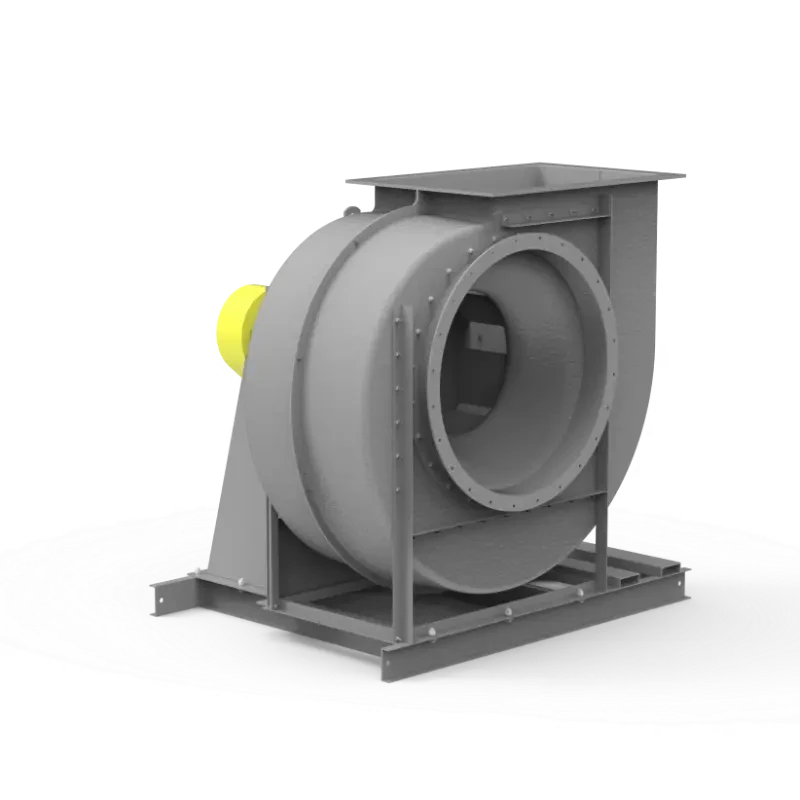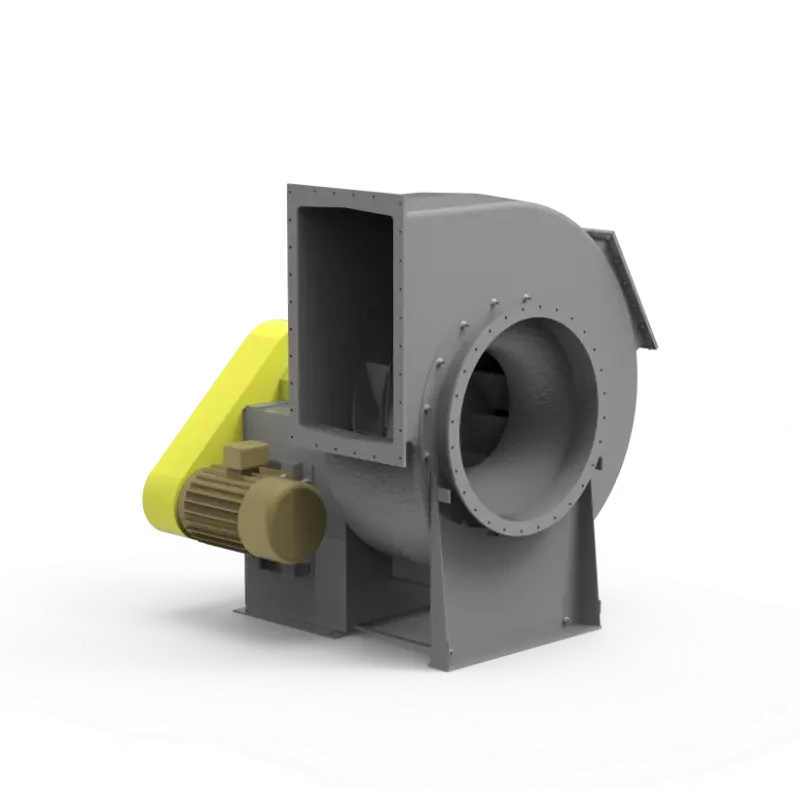




























































Microchip Fans & Blowers

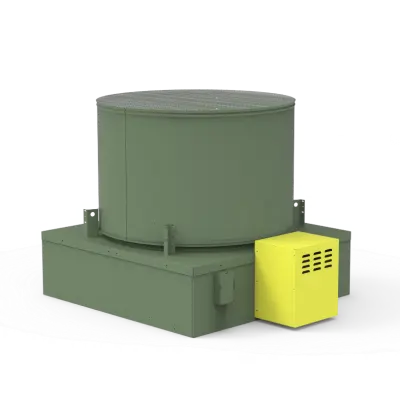
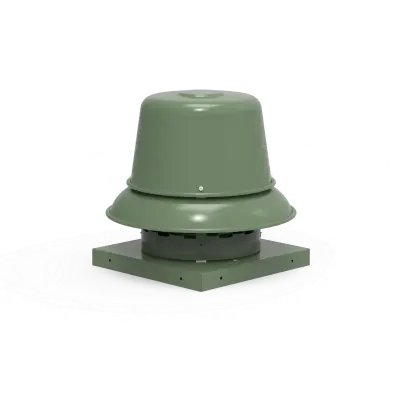
Low Noise Microchip Fans
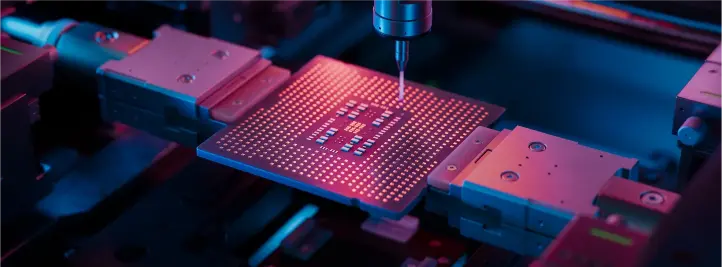
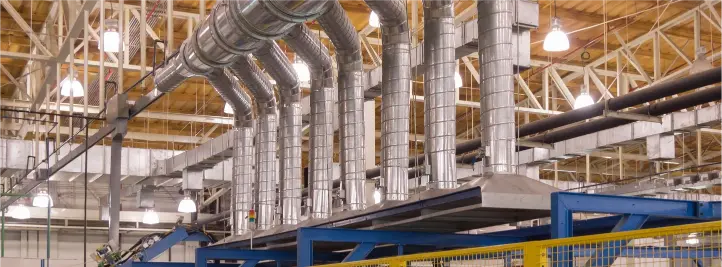
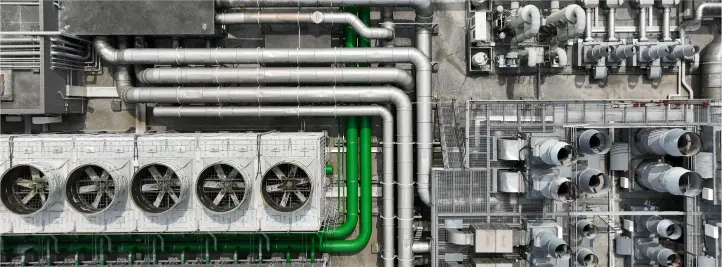
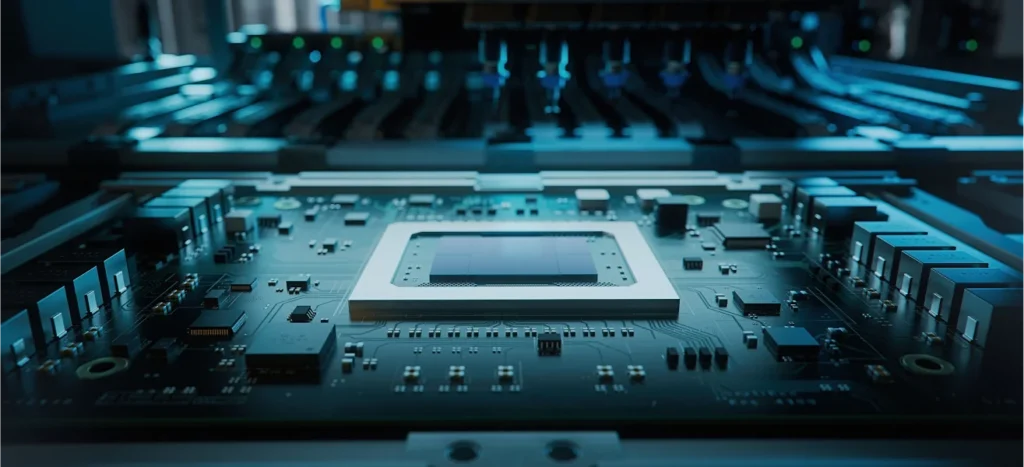
In semiconductor and microchip fabrication, both centrifugal and axial fans are used extensively to maintain ultra-clean, controlled environments. The equipment must meet stringent cleanliness, chemical resistance, and precision airflow standards.
Technical Specs
Technical Specs for Microchip Fans
Design Features
- FRP Construction
- Low Vibration Capabilities
- Special Alloy Construction
- High Pressure Capability (130″ SP)
Available Materials of Construction
- FRP
- SST Alloys
- Mild Steel
- Aluminum
Common Applications
- Fume Control
- HVAC
- General Ventilation
- Cleanrooms
Applications
Applications of Industrial Fans in Microchip Fabrication
In microchip fabrication, industrial fans play a crucial role in maintaining the ultra-clean environments required for sensitive processes. Microchip fabrication fans support cleanroom air recirculation, working alongside HEPA or ULPA filtration to control airborne particulates. In acid gas exhaust systems, fans safely handle corrosive fumes such as HF, HCl, and HNO₃. HVAC makeup air systems rely on tight airflow control to maintain positive pressure and temperature stability. Fans constructed with corrosion-resistant materials are essential for use in wet benches and etch stations. In sub-fab exhaust systems, they manage moisture and fine particulates, ensuring safe and efficient semiconductor manufacturing.
Key Design Considerations
Key Design Considerations for Microchip Fabrication Fans
Due to the precise manufacturing process for microchips, industrial microchip fabrication fans and chip blowers may need to meet special vibration tolerances above and beyond typical standards. The Air Movement and Control Association’s balance standard of BV-1 is a premium balance tolerance of ≤ 0.10 in/sec, which can be provided by nyb upon request. In addition, machined bearing pedestals and reinforced structurals and mounting bases may be required depending on installation requirements.
Depending on the application, chemical resistance may be required, and therefore stainless steel construction of standard fans or Fiberglass Reinforced Plastic (FRP) fans should be considered.
Fan Types
Fan Types Commonly Used in Microchip Fabrication
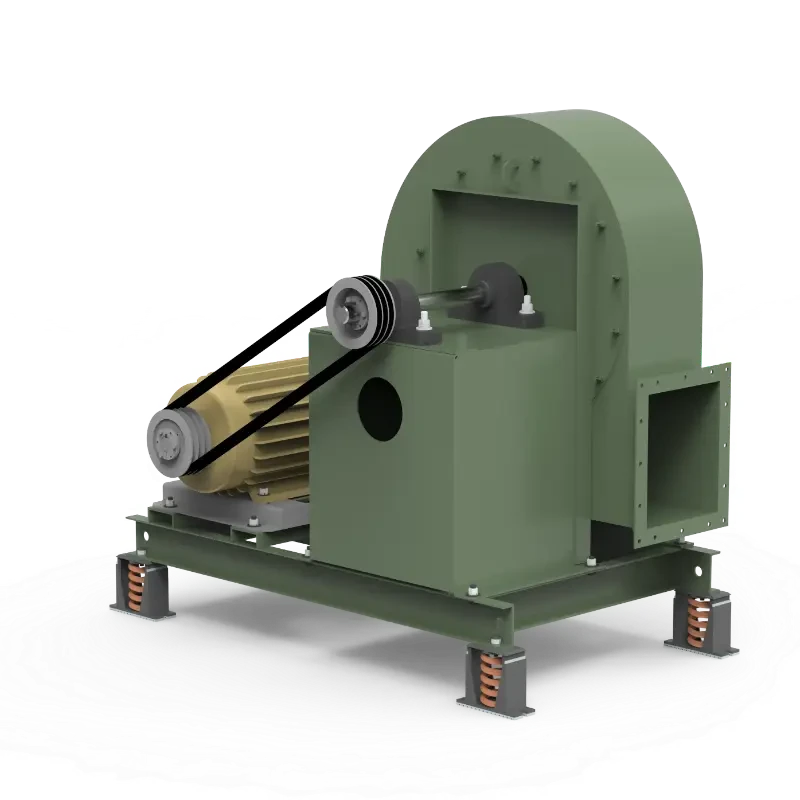
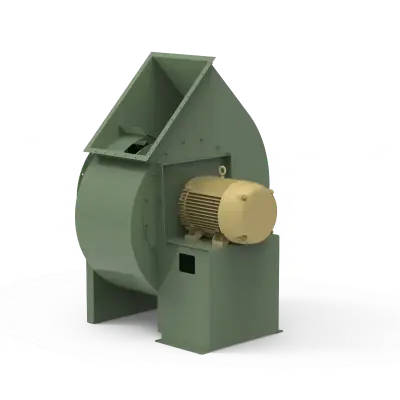
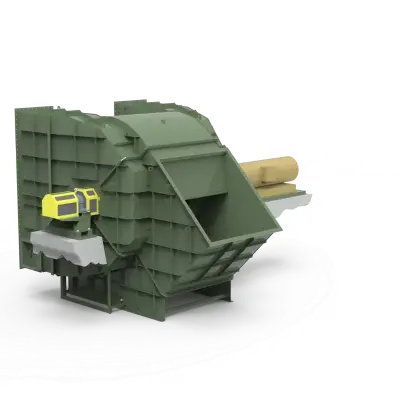
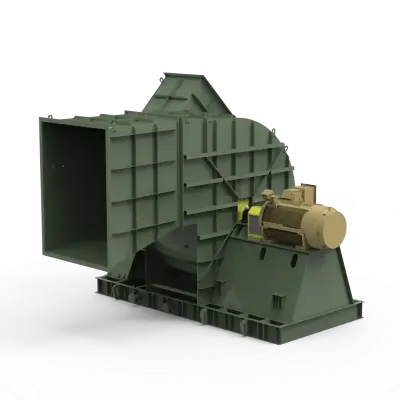
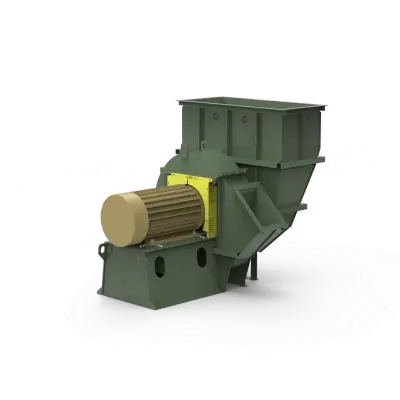
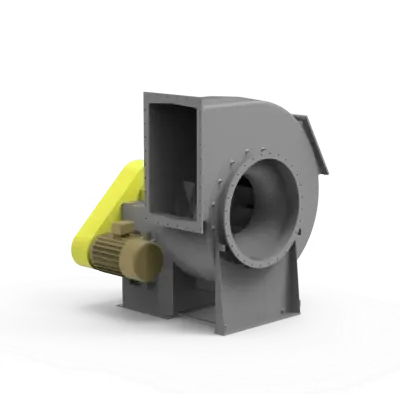
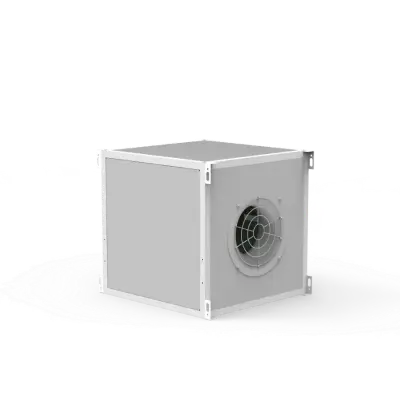
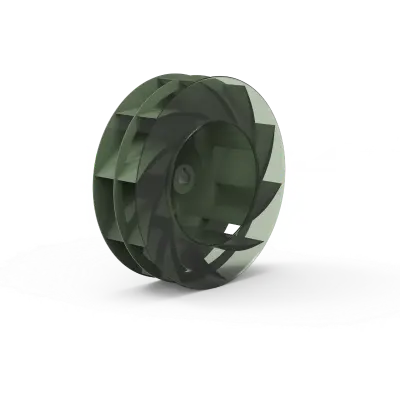
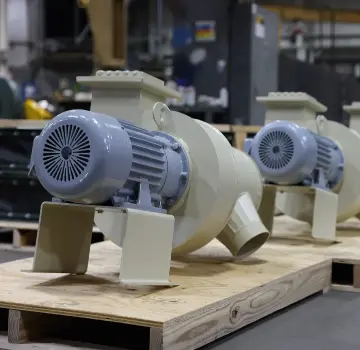
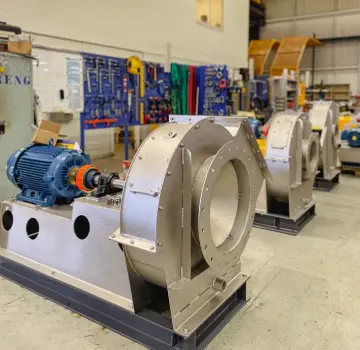
- Backward Curved or Backward Inclined Centrifugal Fans: Single-Width, Single-Inlet (SWSI) fans can be utilized for cleanroom air recirculation and supply, often used in fan filter units (FFUs) and feature high efficiency, low noise levels, and consistent volume.
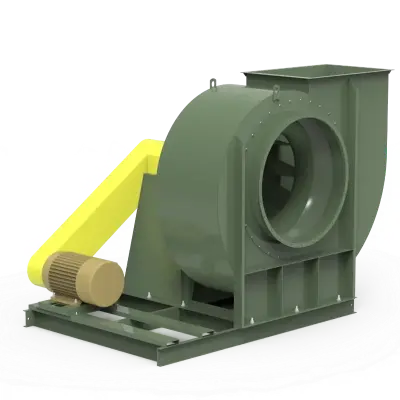
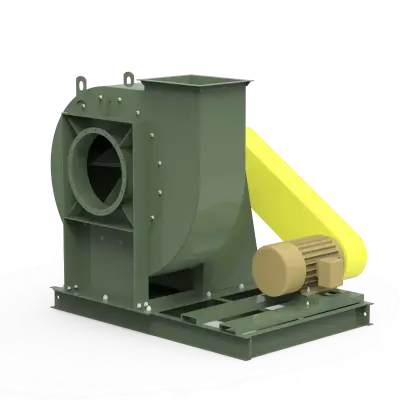
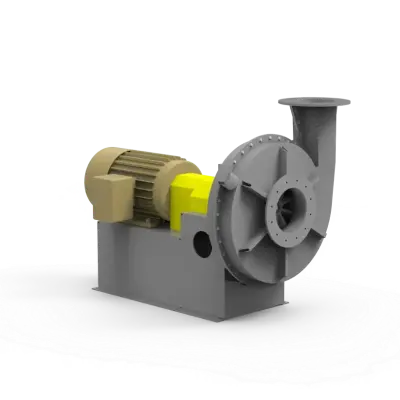
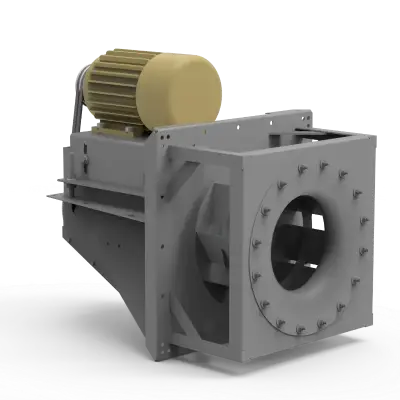
- Radial Bladed Fans: Series 20, Series 30, and Series 45 General Industrial fans are commonly used to exhaust chemical-laden or particulate-heavy air as a result of their rugged design, corrosion-resistant options, and ability to handle particulate or condensable vapor.
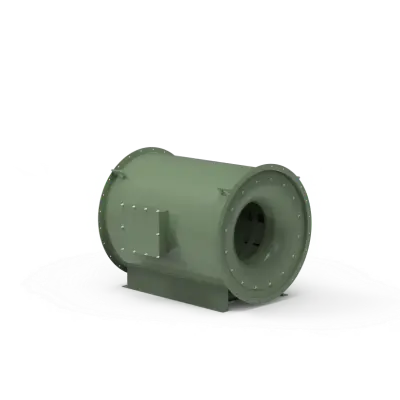
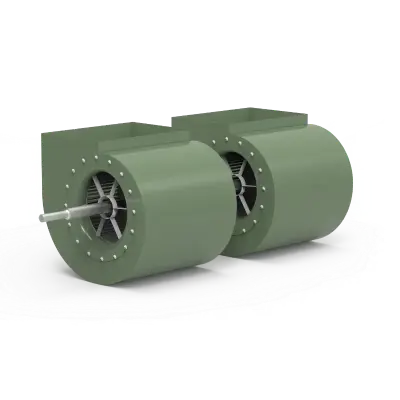
- Fiberglass Reinforced Plastic (FRP) Fans: Fume Exhausters are often utilized in wet benches, acid exhaust, and chemical scrubber applications. FRP fans offer non-metallic construction to resist aggressive chemical vapors and are spark resistant.
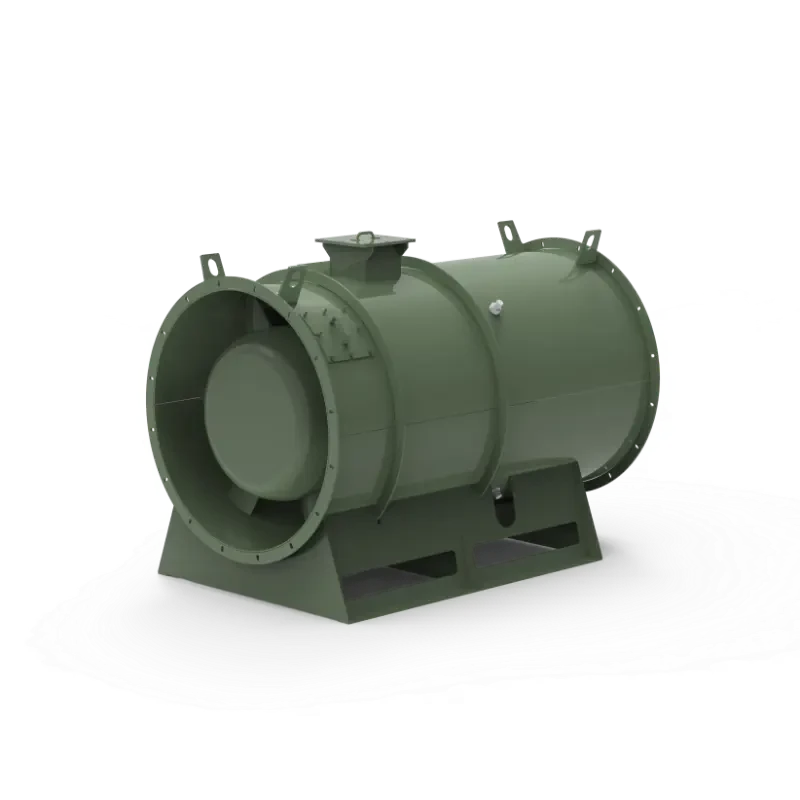
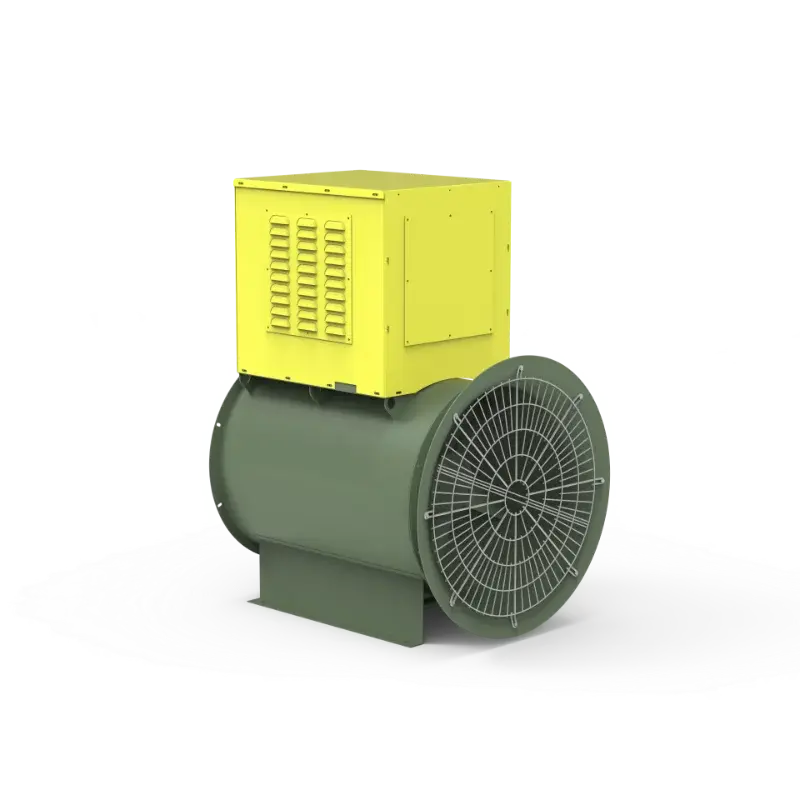
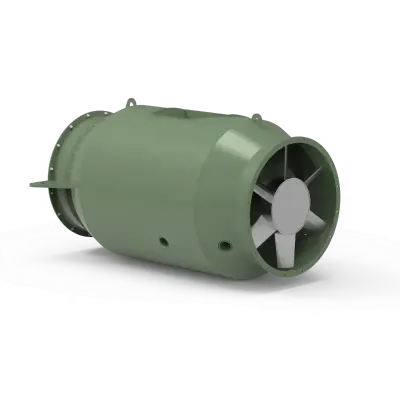
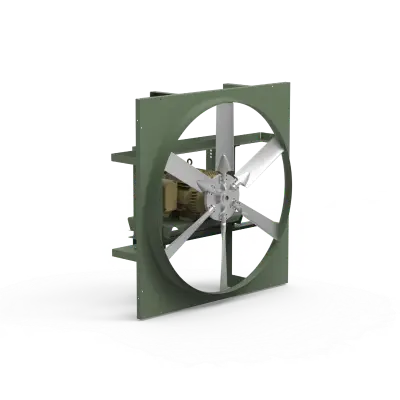
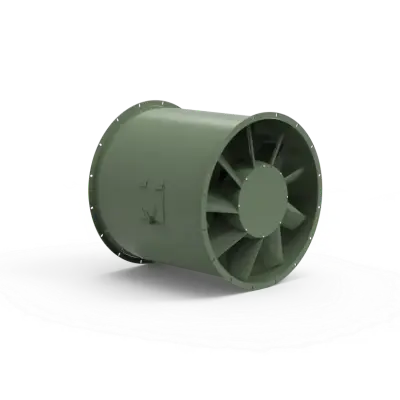
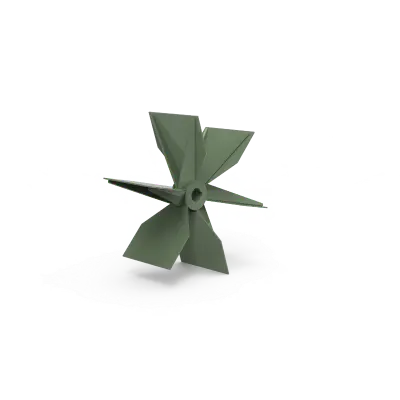
- Axial Fans: Both Tubeaxial and Vaneaxial fans can be integrated into process cooling and HVAC systems, offering large volumes of air movement, low pressures, and compact, efficient designs best suited for installations where space and speed are critical.
Challenges and Regulations
Challenges Faced and Regulations for Microchip Fans
The microchip fabrication industry faces multiple challenges, specifically during manufacturing. Microchips are manufactured in ultra-clean environments, meeting ISO 1-5 cleanroom standards. Microchip fabrication fans and chip blowers can generate particulates through bearing wear, blade erosion, or airflow turbulence, which can interfere with these ISO standards. As a result, fan housings may require non-shedding materials such as stainless steel or coated aluminum.
Fan vibration can also interfere with photolithography, electron microscopy, and other nanoscale operations. In addition to typical fan vibration, moving components can generate low-frequency vibration and acoustic noise. In order to mitigate potential negative impacts on the processes, tight vibration tolerances can be met, isolated fan installations and soundproof enclosures can be incorporated, and monitoring can be conducted using vibration sensors.
Related Products
Explore related fans.