




















































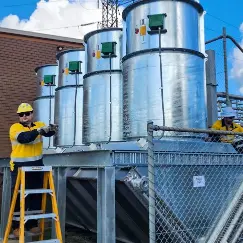
Wind Tunnels

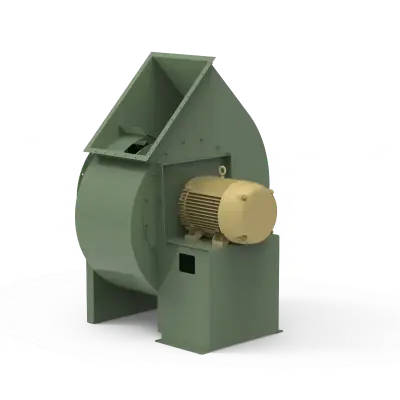
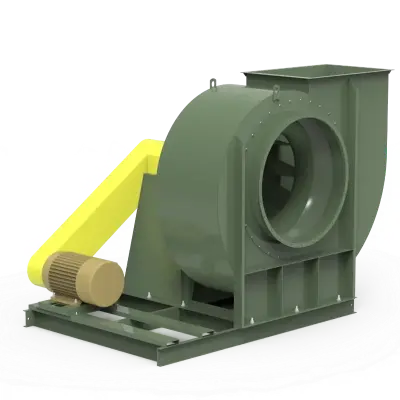
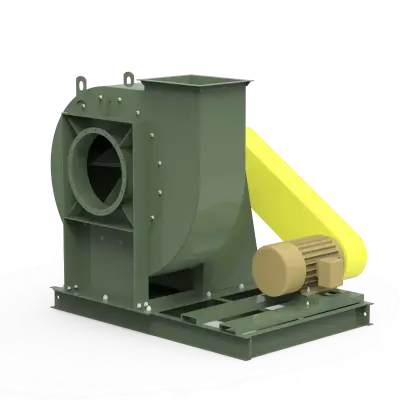
Industrial Wind Tunnel Fans
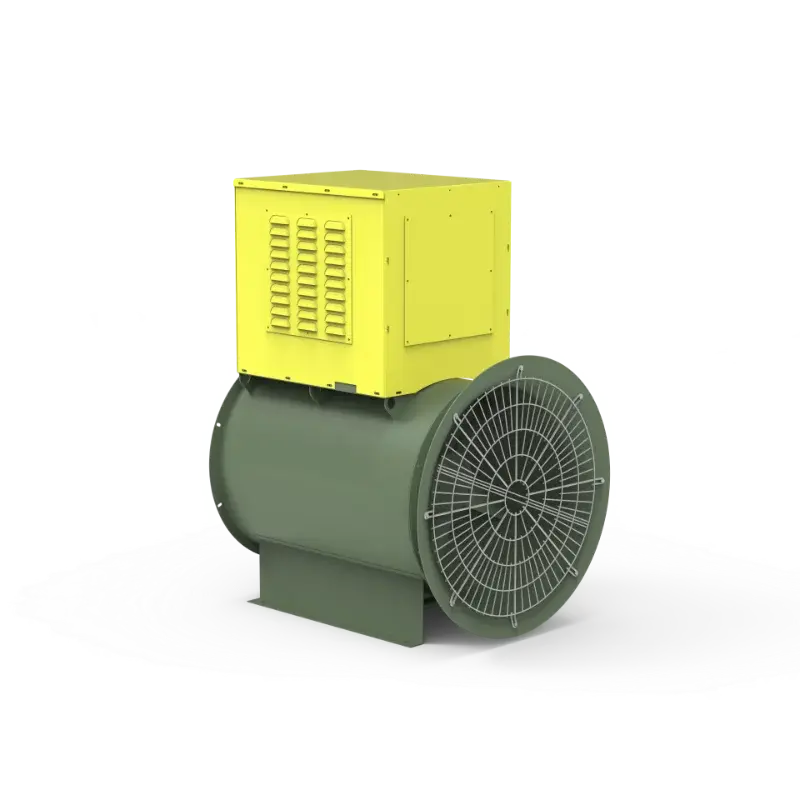
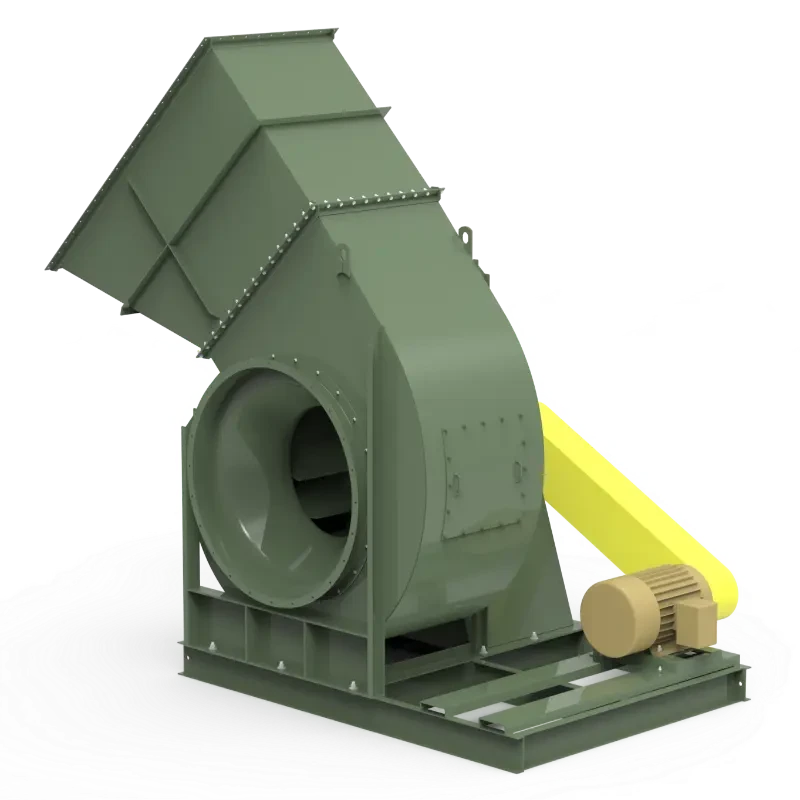
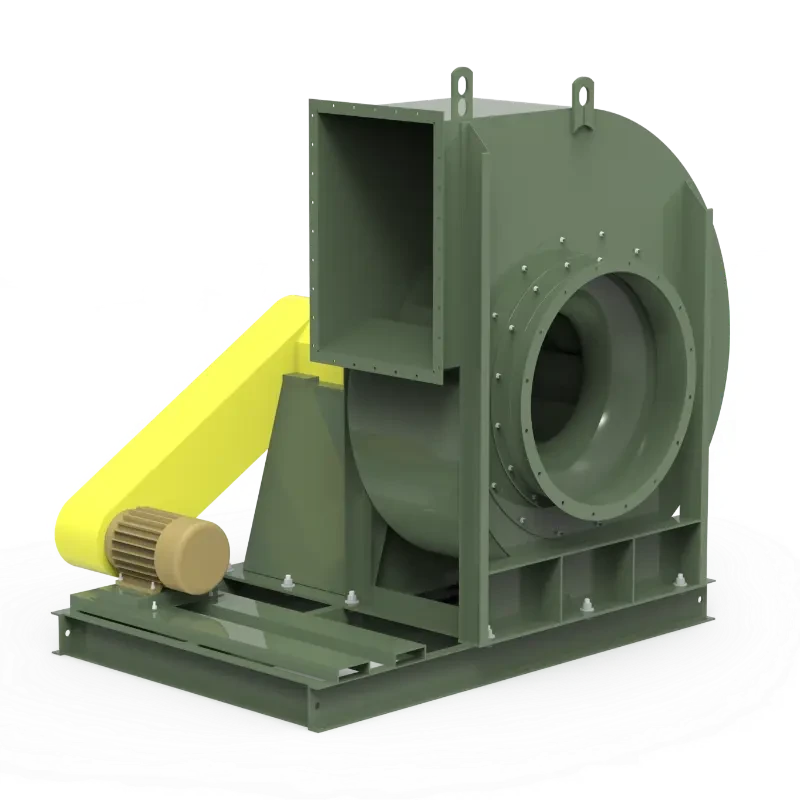
Wind tunnel fans require highly controlled, high-speed airflow for testing and research. nyb fans deliver the pressure, performance, and precision to meet these demands in scientific, commercial, and industrial settings.

Technical Specs
Technical Specs for Wind Tunnel Fans
Design Features
- Direct Drive Where Possible
- Bearings and Motors Isolated from the Process
- Shaft Seals with Ceramic Felt Elements
- Housing Cleanout Doors
- Safety Guards and Electrical Disconnect
- Ambient Air Inlet Filter and Silencer
- Vibration Isolation and Flex Connectors
Available Materials of Construction
- Carbon Steel
- Stainless Steel
- Coated Carbon Steel
Common Industries
- Automotive
Applications
Applications of Industrial Wind Tunnel Fans
Industrial wind tunnels rely on high-velocity air fans to simulate real-world conditions for product testing and research. These systems are essential in industries like aerospace, automotive, architecture, and meteorology. High-speed airflow fans generate controlled airstreams to test aerodynamic performance, environmental resistance, and material durability. In scientific applications, wind tunnel fans provide repeatable conditions for measuring force, lift, drag, and turbulence on physical models. nyb fans are engineered to deliver the performance and precision these environments require, helping ensure that test results are accurate and consistent from run to run.
Key Design Considerations
Key Design Considerations for Wind Tunnels
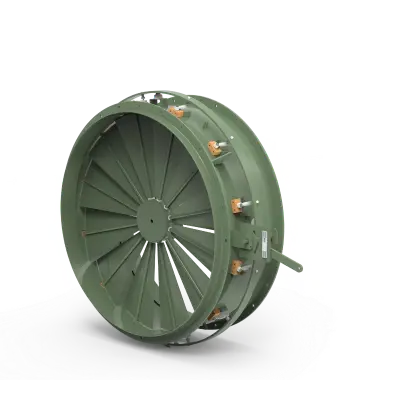
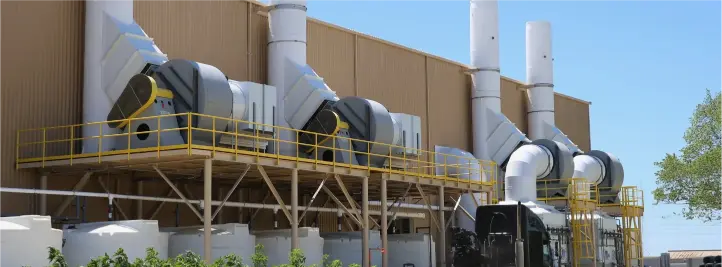
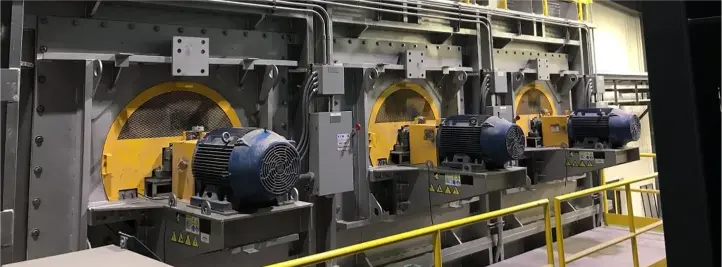
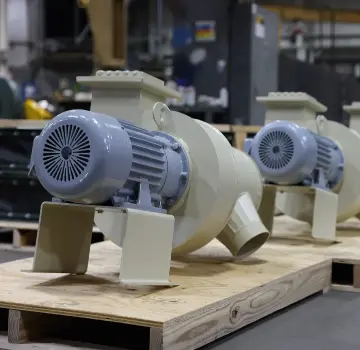
Wind tunnel fans must operate with high efficiency, low vibration, and minimal acoustic disruption. nyb direct drive wind tunnel fan configurations for improved stability and reduced maintenance. Bearings and motors are isolated from the airflow to ensure consistent operation under high-stress conditions. Shaft seals with ceramic felt elements help maintain system pressure and reduce wear. Additional considerations include inlet filtration, sound suppression, and safety features like clean-out doors and electrical disconnects. Construction options such as carbon steel, stainless steel, and coated steel are available to meet varied environmental demands.
Fan Types
Fan Types Commonly Used in Wind Tunnels
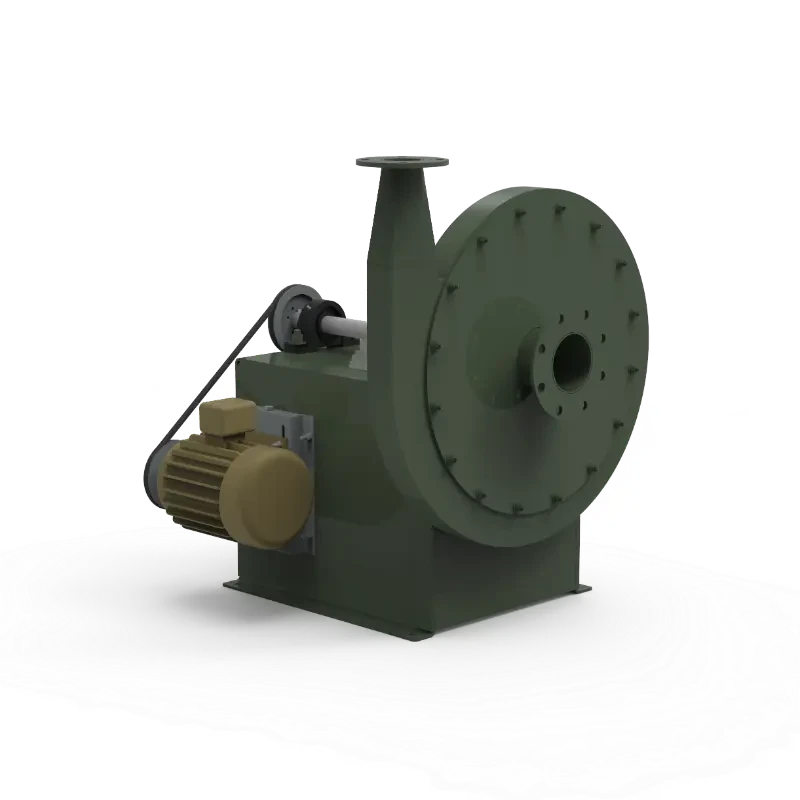
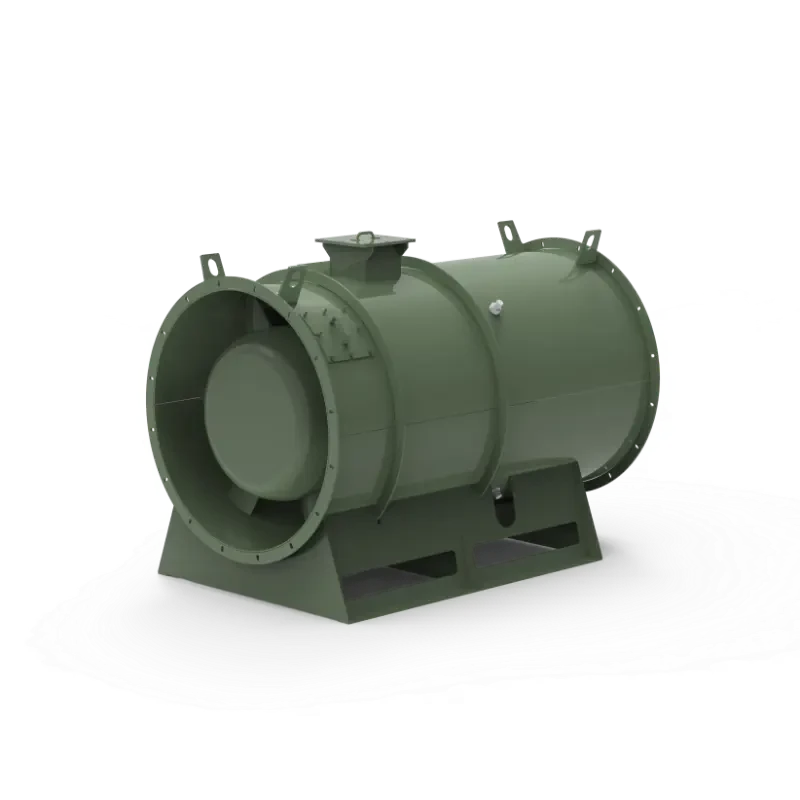
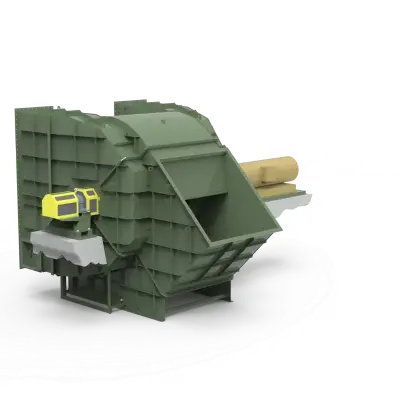
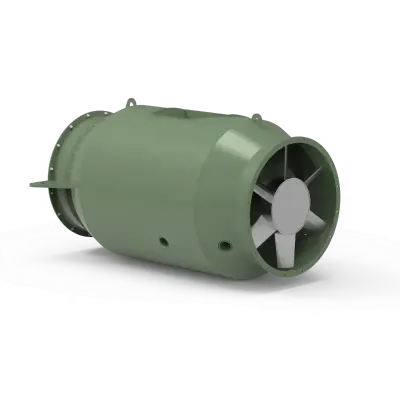
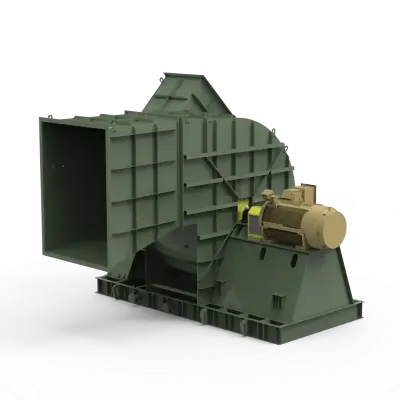
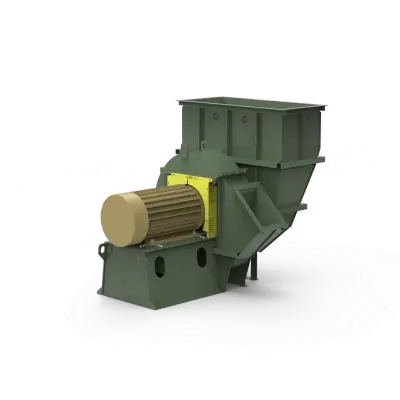
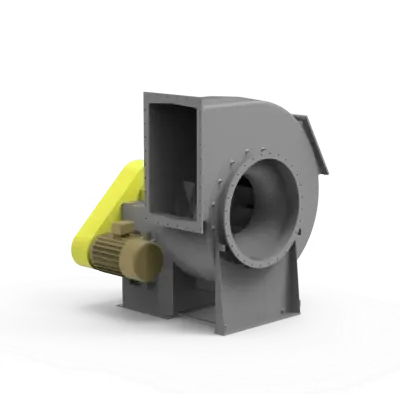
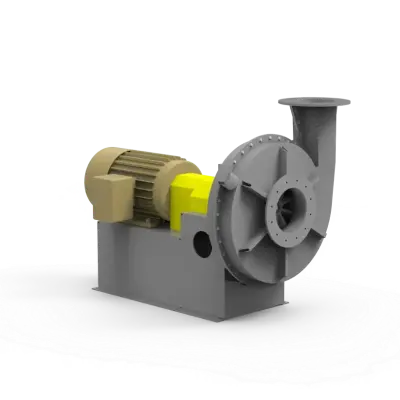
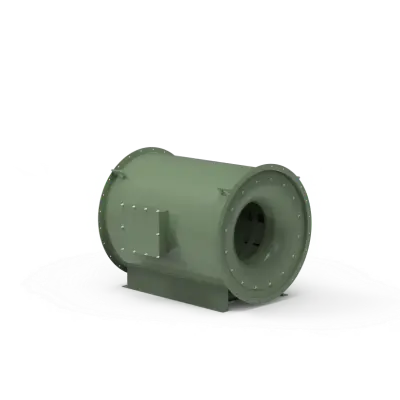
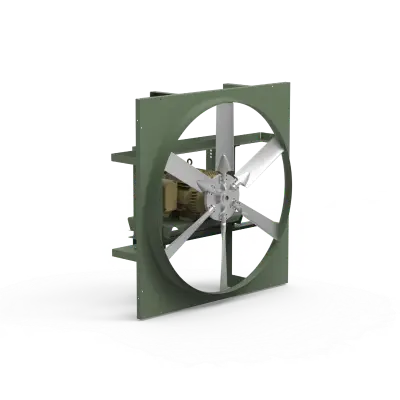
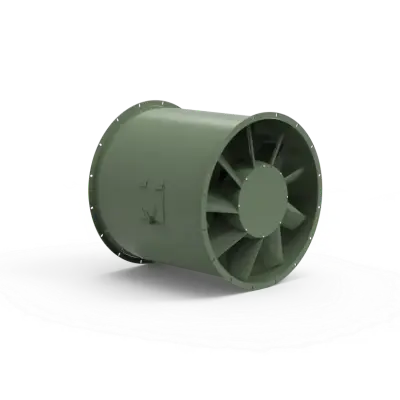
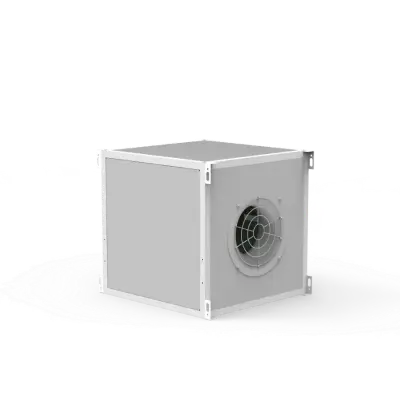
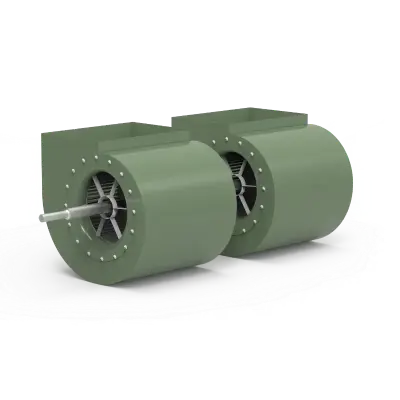
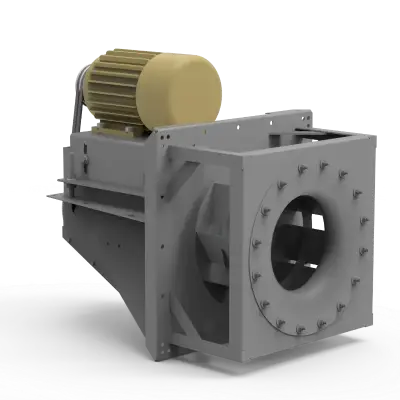
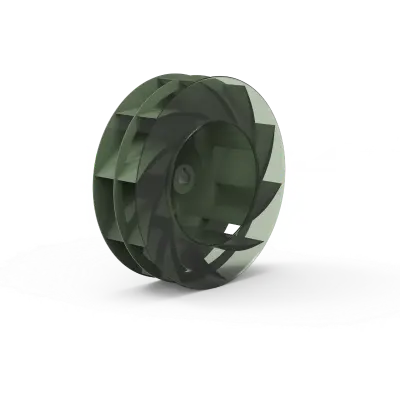
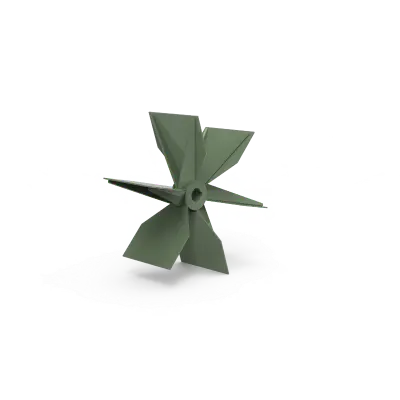
Wind tunnel systems can require custom fan setups to deliver precise, high-velocity airflow. nyb offers a range of high-speed airflow fans for these applications, including High Pressure Backward Curved Fans, Series 20 GI Fans, and Compact GI Fans, all engineered for strong, controlled output. Pressure Blowers, AF30 Fans, RTS Fans, and BC Fans are used when high static pressure and airflow regulation are needed. For large-volume systems where space efficiency matters, axial fans or HP Pressure Blowers may be employed. Materials include aluminum, carbon steel, stainless steel, and coated options for durability under sustained use.
Challenges and Regulations
Challenges Faced and Regulations for Wind Tunnel Fans
Wind tunnel operations demand precise airflow control across long durations. Wind tunnel fans must achieve speeds exceeding 300 km/h in some testing environments while maintaining minimal vibration and noise. nyb direct-drive wind tunnel fans are designed to operate within tight performance tolerances, supporting aerodynamic testing, climate simulations, and acoustics-sensitive projects. Proper fan selection also depends on whether the application requires high-volume axial fans for air recirculation or high-pressure centrifugal fans for narrow, directed flows. Robust design, efficient operation, and repeatable airflow are essential. nyb works closely with clients to engineer fan systems that meet these technical challenges with long-term reliability.
Related Products
Explore related fans.