














































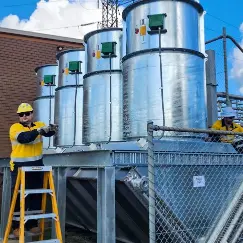
Vacuum Systems
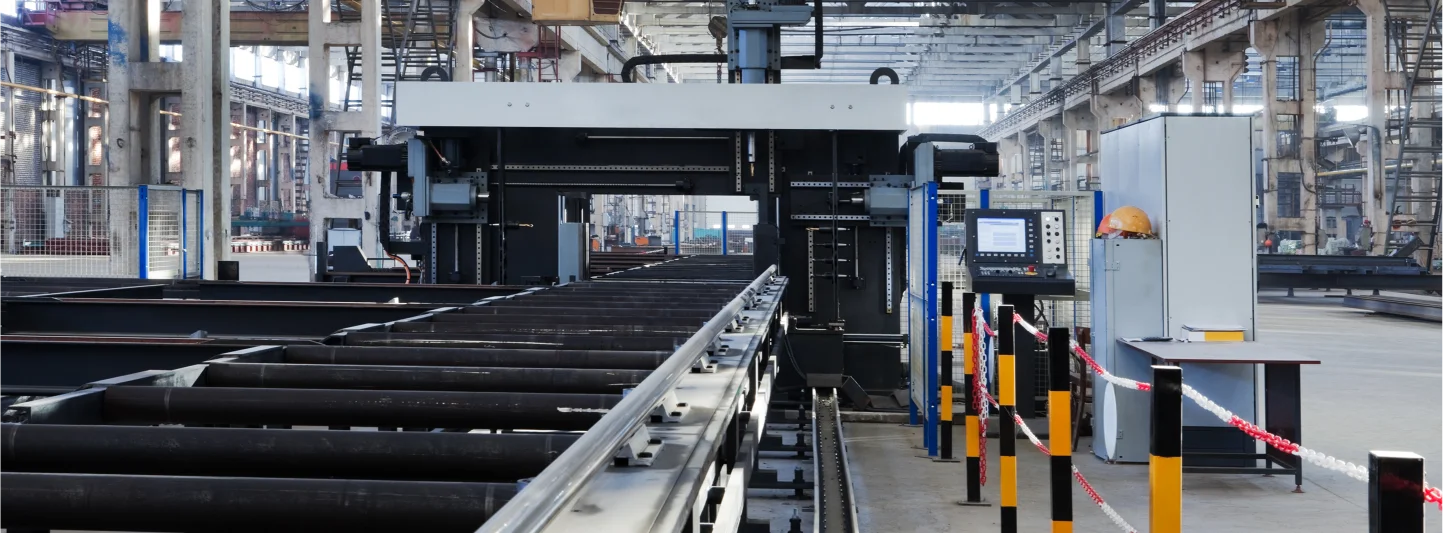
Industrial Vacuum Fans
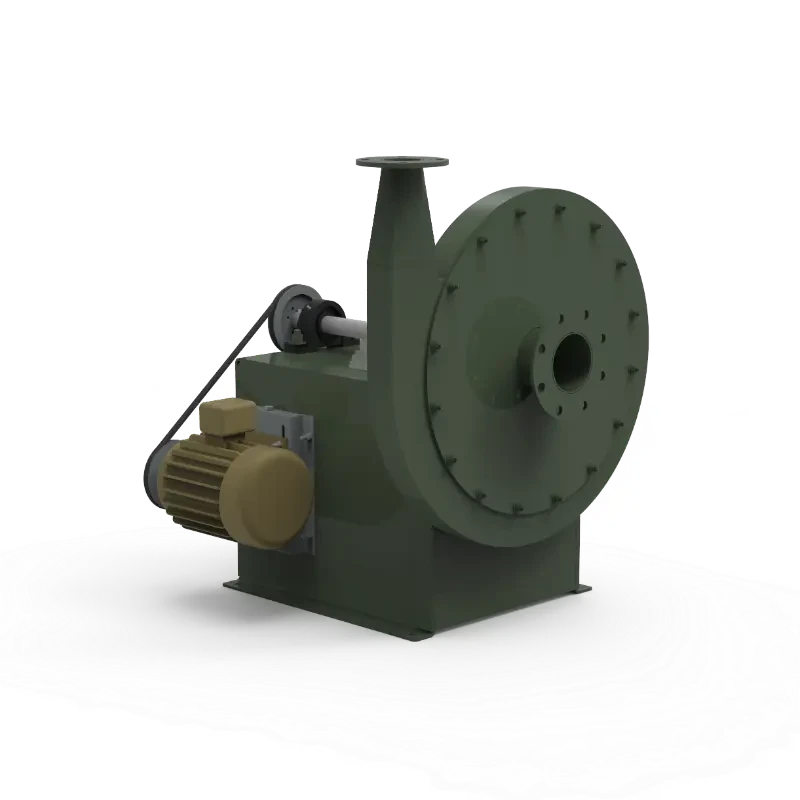
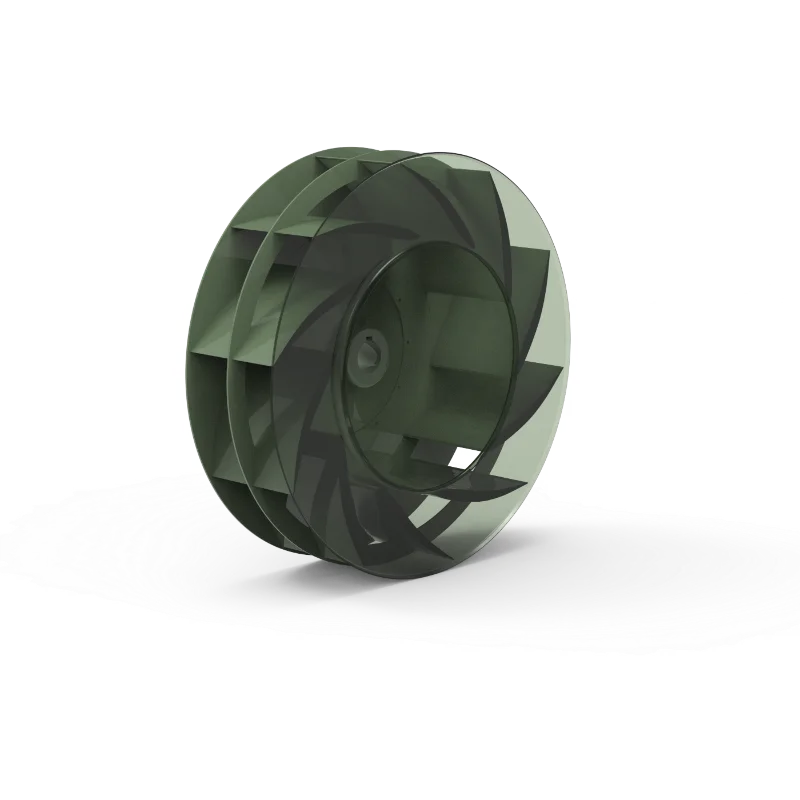
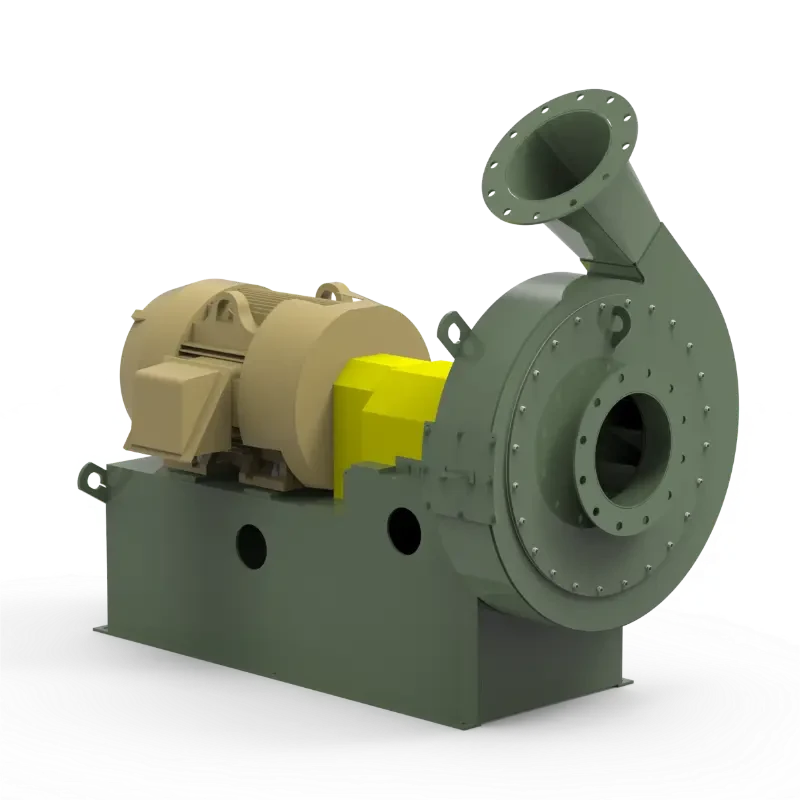
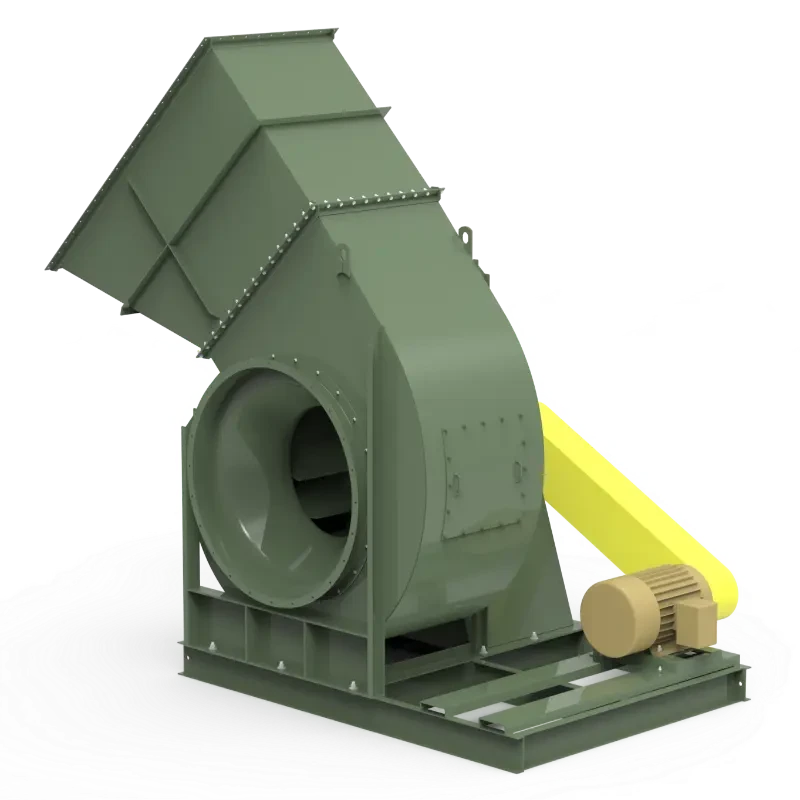
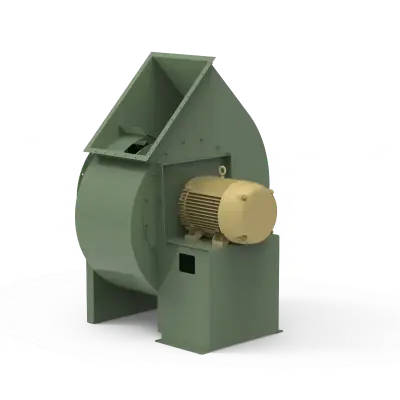
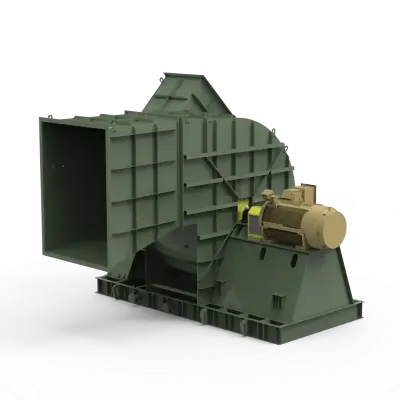
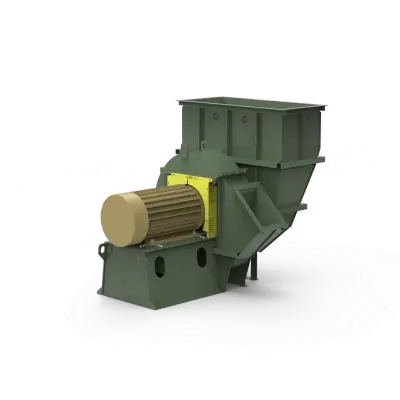
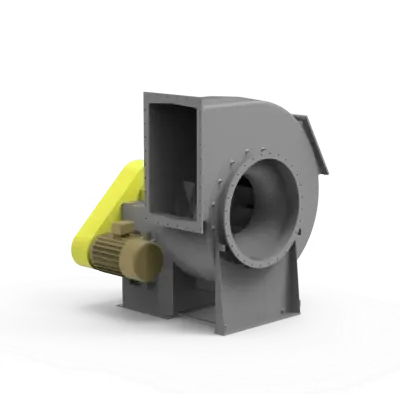
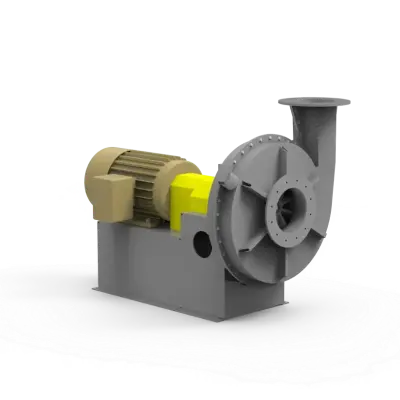
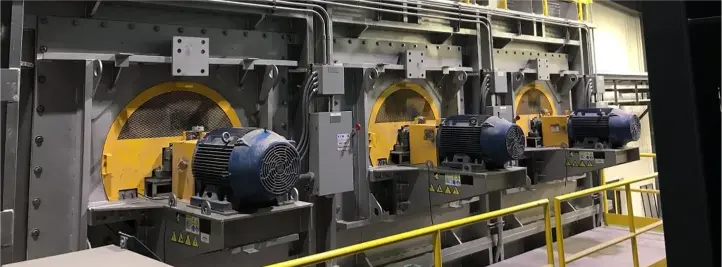
nyb industrial vacuum fans play a key role in vacuum systems that power suction, material handling, and debris removal across industrial settings. Built for pressure stability and durability, our suction fans deliver reliable vacuum performance.
Technical Specs
Technical Specs for Vacuum System Fans
Design Features
- Direct Drive Where Possible
- Bearings and Motors Isolated from the Process
- Shaft Seals with Ceramic Felt Elements or Shaft Hole Closures
- Housing Cleanout Door
- Dampers
- Abrasion-Resistant Construction
- Safety Guards and Electrical Disconnect
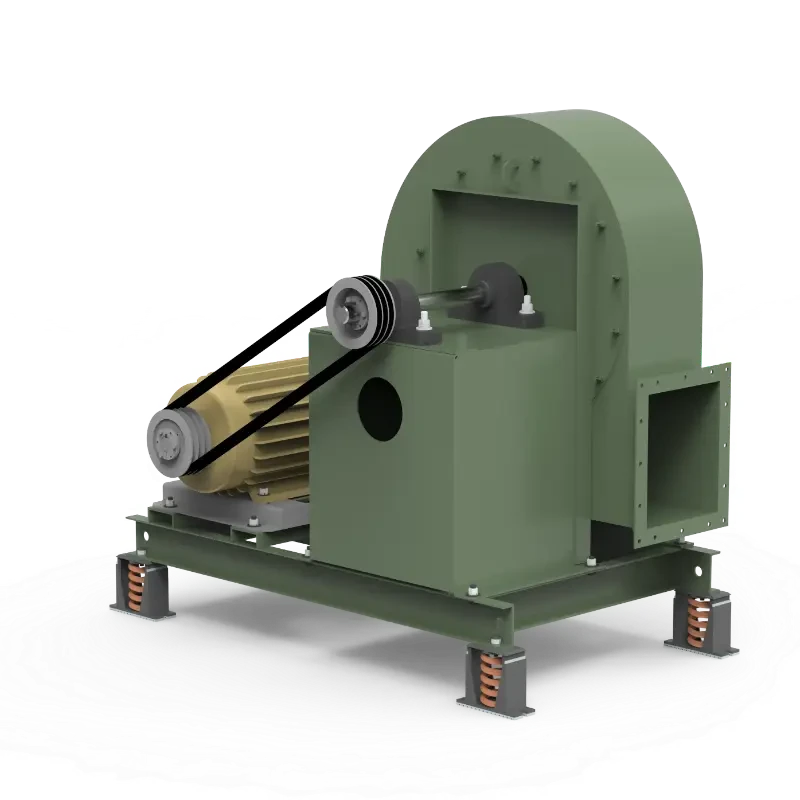
- Vibration Isolation and Flex Connectors
- Outlet Silencer
Available Materials of Construction
- Carbon Steel
- Stainless Steel
- Coated Carbon Steel
Common Industries
- Automotive
Applications
Applications of Industrial Vacuum Fans
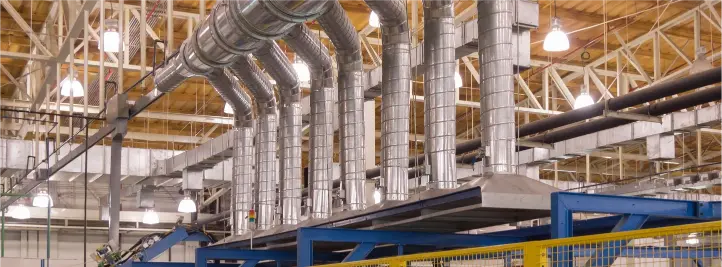
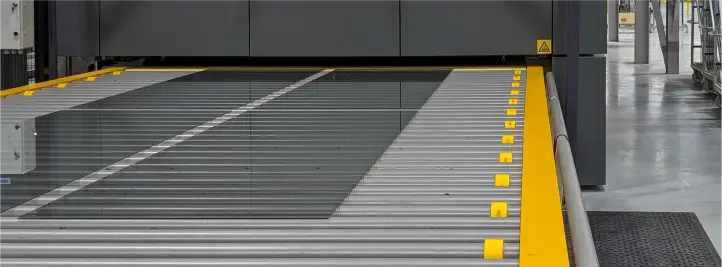
Vacuum systems rely on industrial fans to create negative pressure for suction, material conveyance, and work surface control. In manufacturing, fans are used to collect dust, remove debris, and transport lightweight materials through ducted systems. They are also used in CNC and fabrication shops to hold parts in place during cutting, or to lift and move flat-sheet goods such as drywall, glass, or metal panels. Vacuum-based handling systems are essential for improving production speed and accuracy. nyb vacuum fans for regulated industries support these processes with consistent airflow and high-pressure capabilities that help ensure safe, clean, and efficient operations across a wide range of industries.
Key Design Considerations
Key Design Considerations for Industrial Vacuum Fans
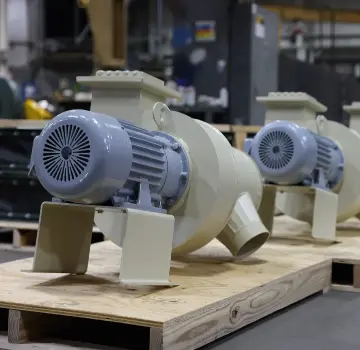
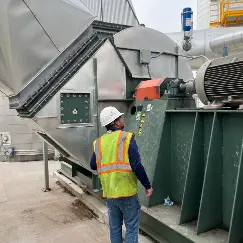
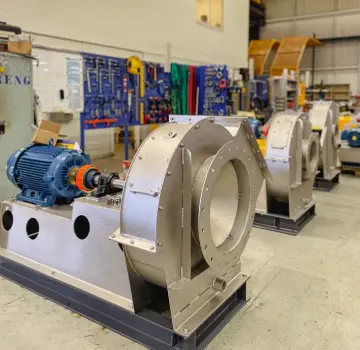
Vacuum system fans must deliver consistent pressure and airflow while maintaining durability in high-use environments. nyb industrial vacuum fans are offered in direct drive configurations where suitable, minimizing maintenance and improving system reliability. Motors and bearings are isolated from process air to reduce wear. Shaft seals with ceramic felt elements help maintain vacuum integrity. Additional features include clean-out doors for easy service, safety guards, and electrical disconnects. Materials of construction include aluminum, carbon steel, stainless steel, and coated steel to suit a range of environmental conditions and material handling needs.
Fan Types
Fan Types Commonly Used in Industrial Vacuum Systems
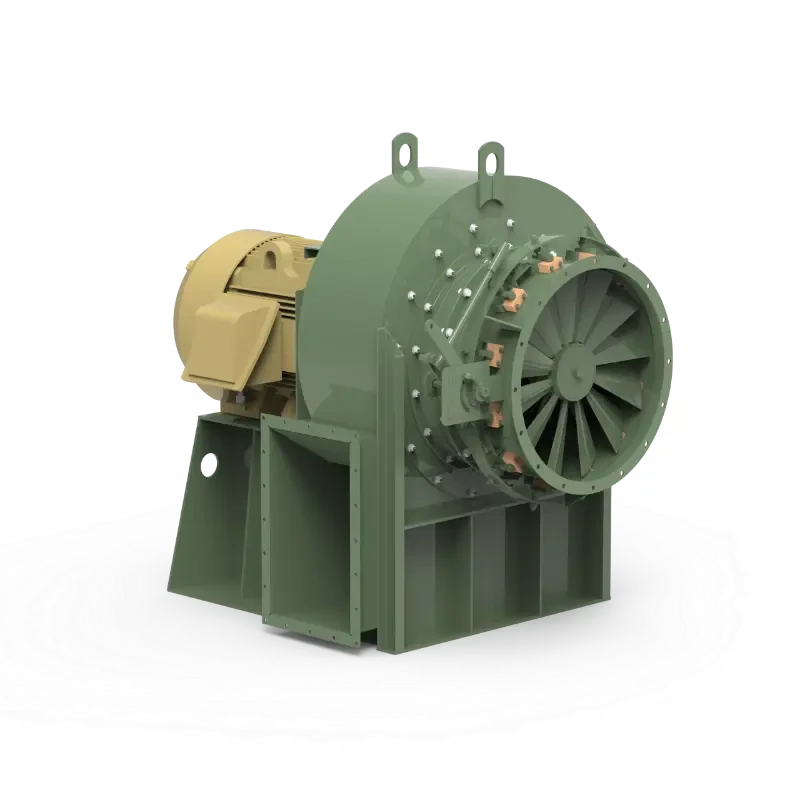
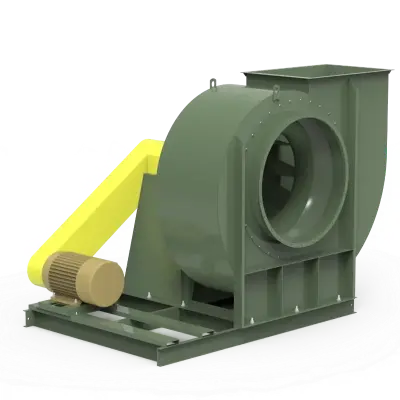
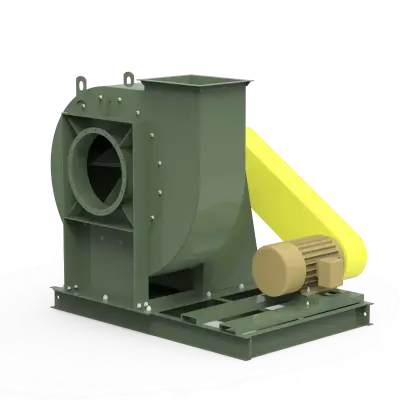
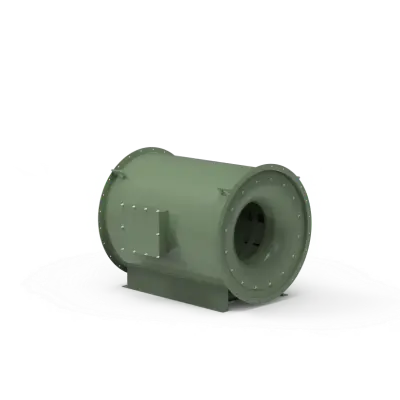
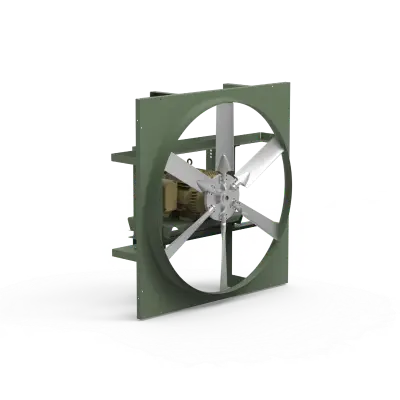
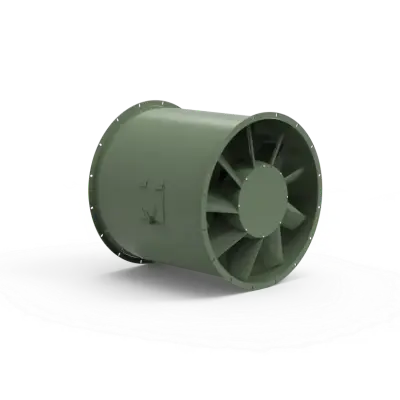
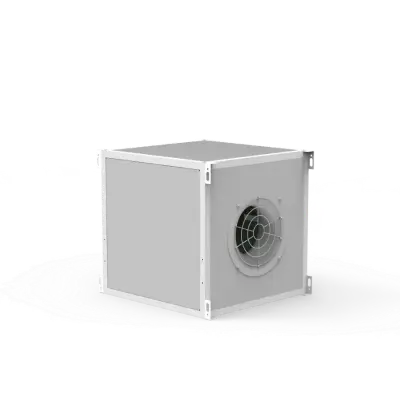
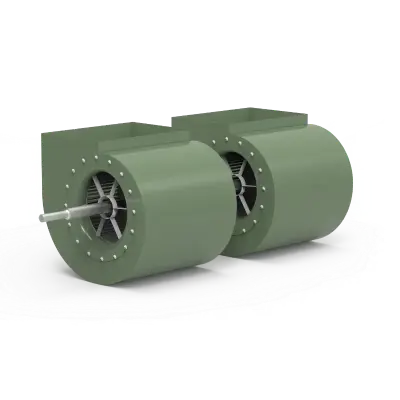
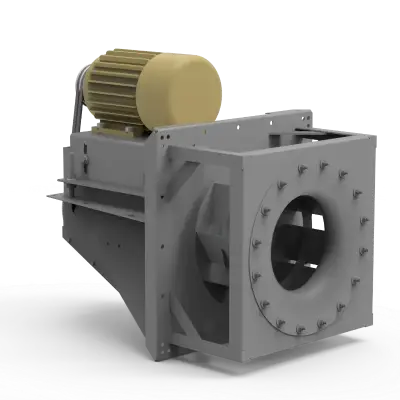
Vacuum fans for regulated industries typically call for high-pressure fans that can maintain strong suction across long duct runs. nyb offers several suitable suction fan types, including High Pressure Backward Curved Fans, Series 20 GI Fans, SWSI Class 1, 2, 3, & 4 Fans, BC Fans, and RTS Fans for versatile setups. Compact Pressure Blowers, Compact GI Fans, and Pressure Blowers are excellent for space-constrained or mobile systems. HP Pressure Blowers and BC Pressure Blowers are frequently used in centralized industrial vacuum fan systems where airflow demands are high. Construction options include aluminum carbon steel, stainless steel, and coated steel, ensuring compatibility with various materials and operating environments.
Challenges and Regulations
Challenges Faced and Regulations for Suction Fans
Industrial vacuum fans must operate with minimal vibration to avoid performance issues and wear. nyb fans are designed to deliver stable, continuous operation under these demanding conditions. The nature of the materials being handled —dust, fumes, or lightweight solids— impacts both airflow requirements and construction materials. System layout, ducting, and elevation changes also influence fan selection. Energy efficiency is a key consideration in large facilities, and fan sizing must be carefully matched to avoid waste. Noise levels, especially in facilities with close human proximity, can require additional silencing. nyb’s durable industrial vacuum fans prioritize performance and regulatory compliance across vacuum applications.
Related Products
Explore related fans.