
































































Glass Industrial Fans & Blowers

Furnace Fans
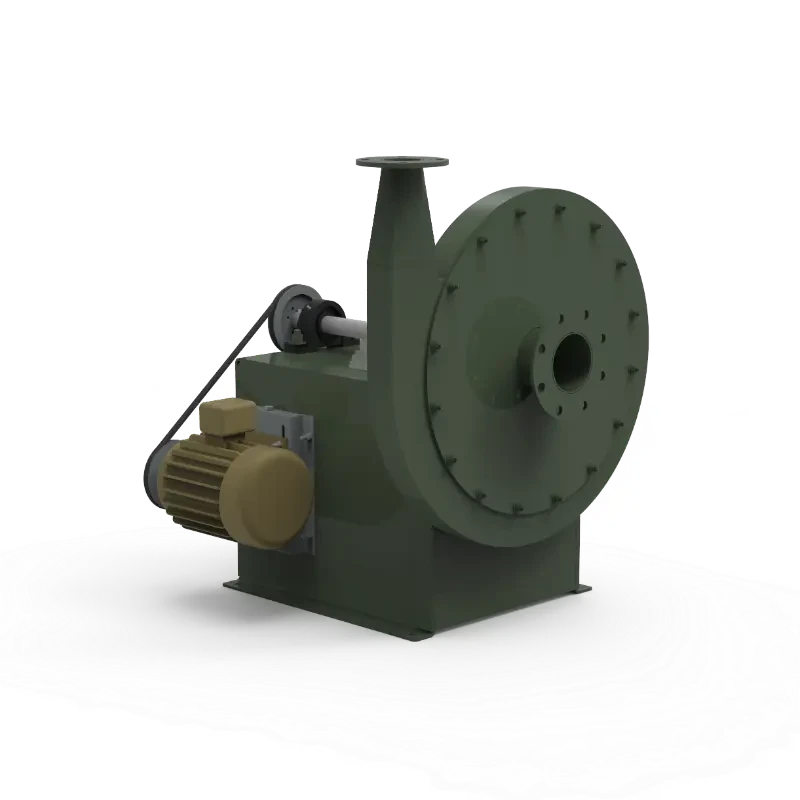
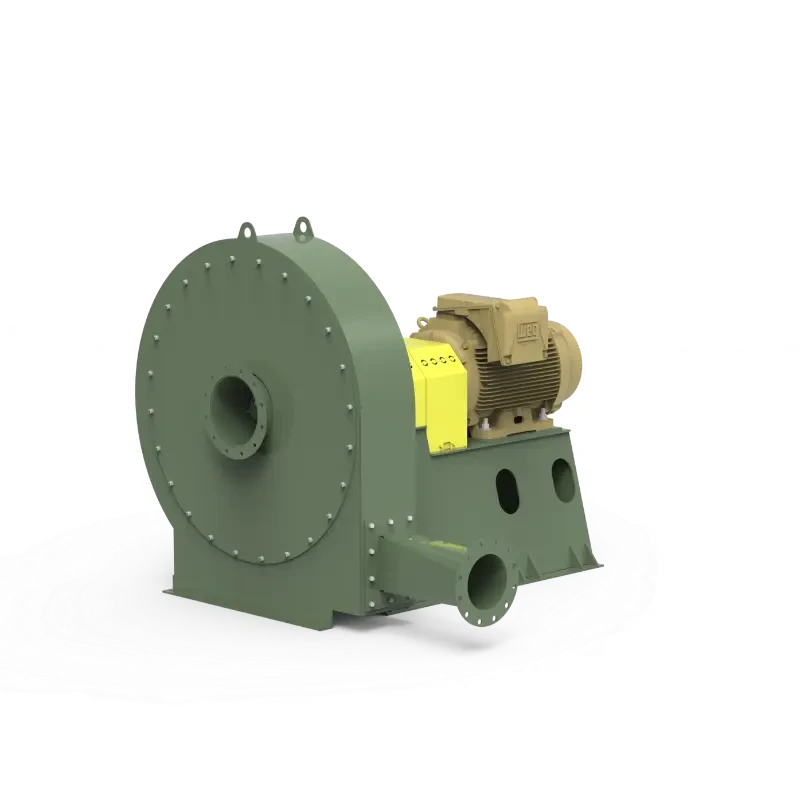
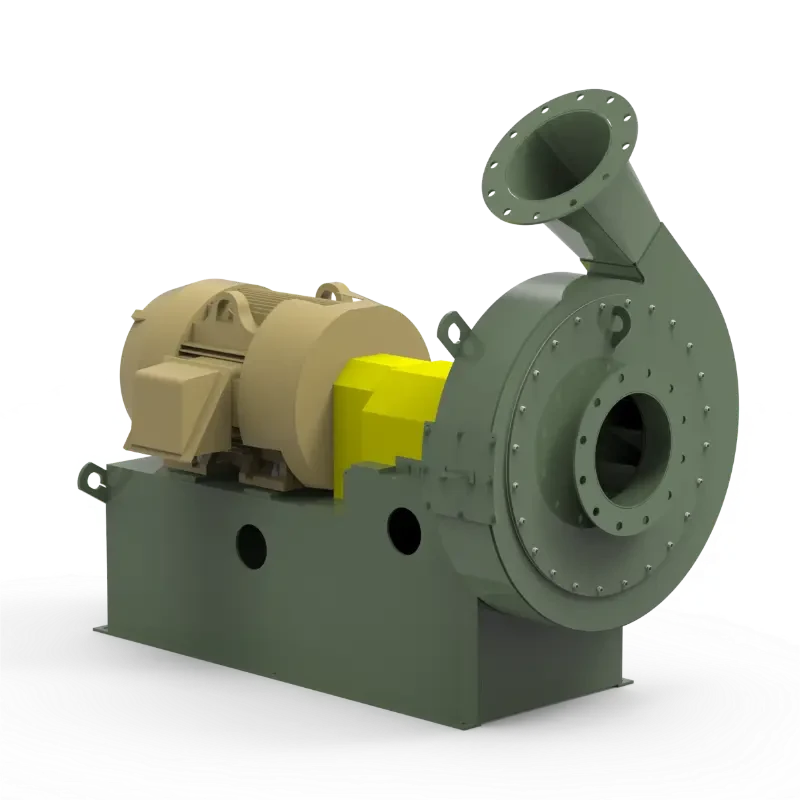
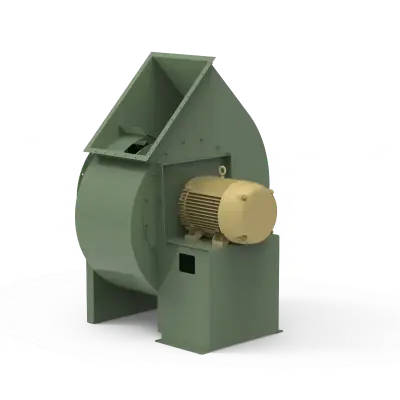
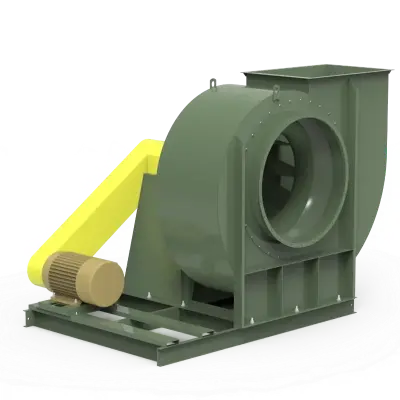
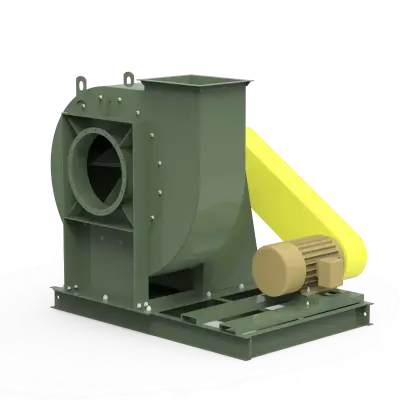
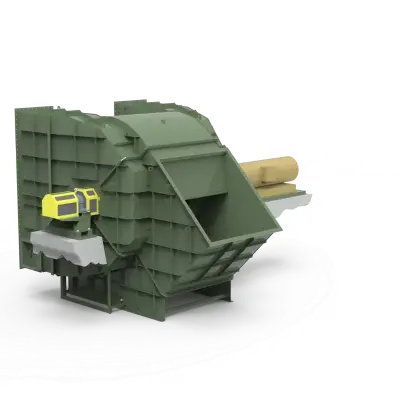
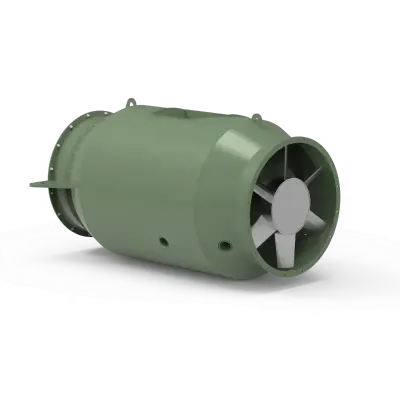
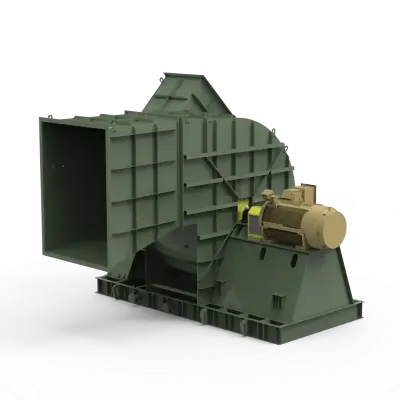
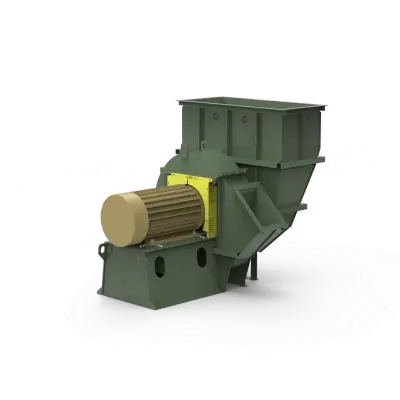
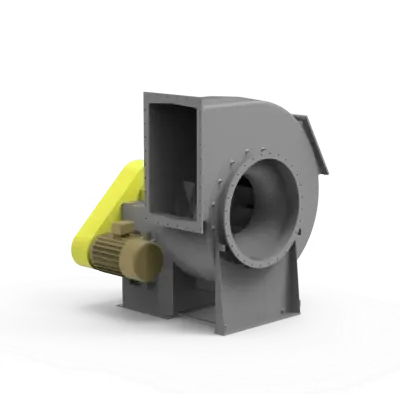
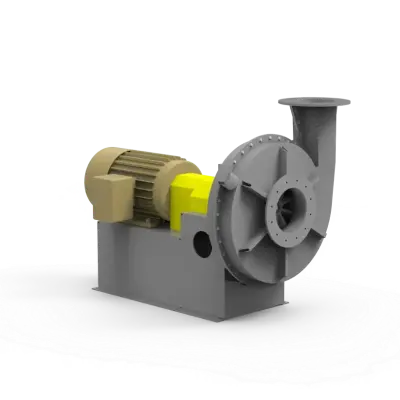
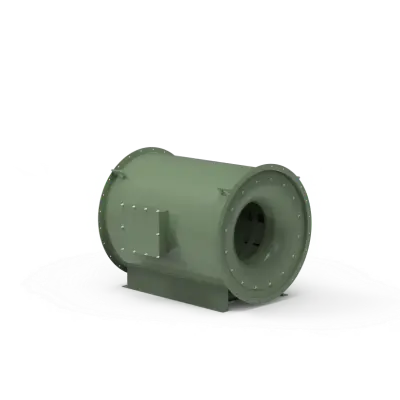
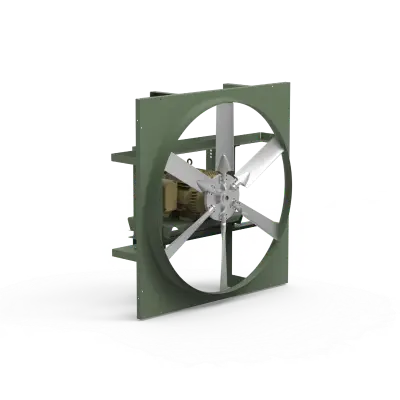
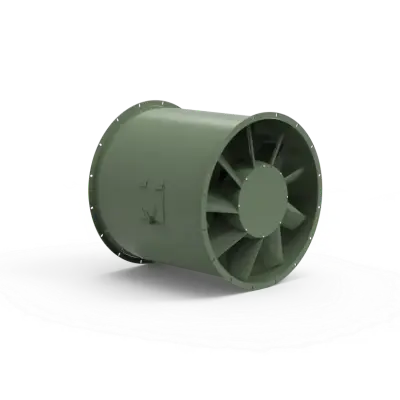
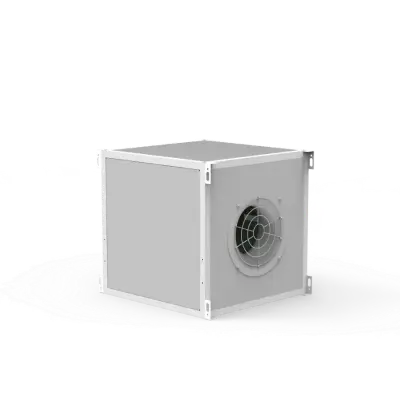
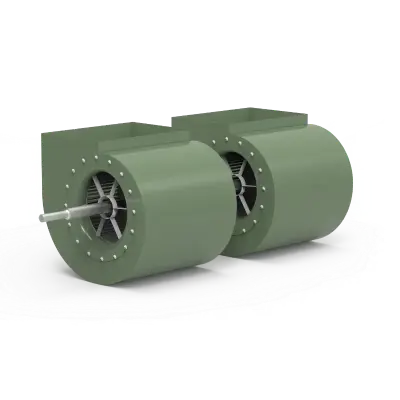
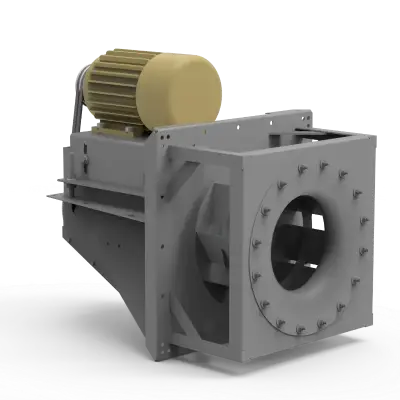
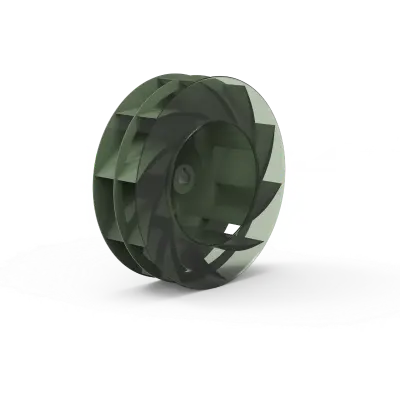
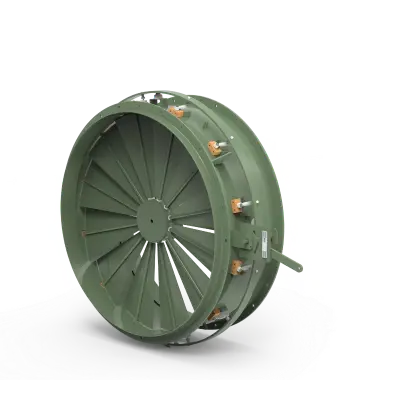
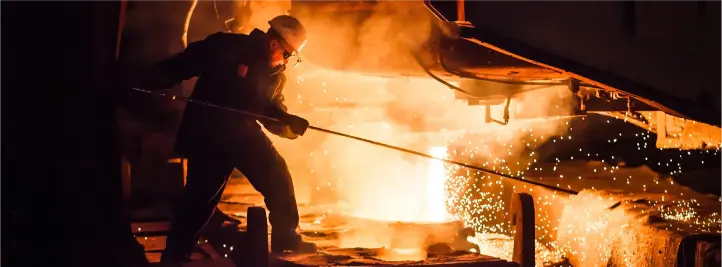
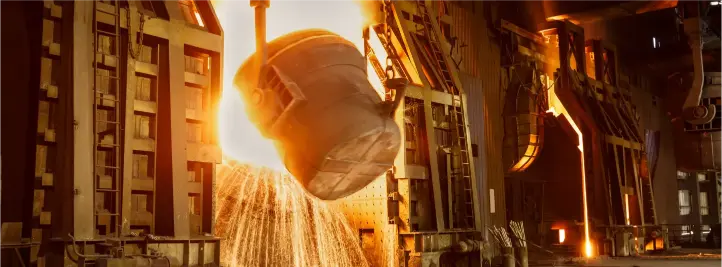
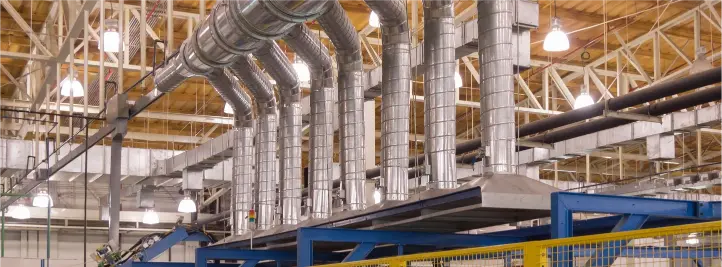
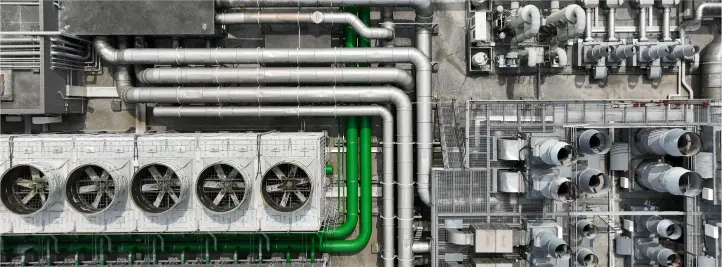
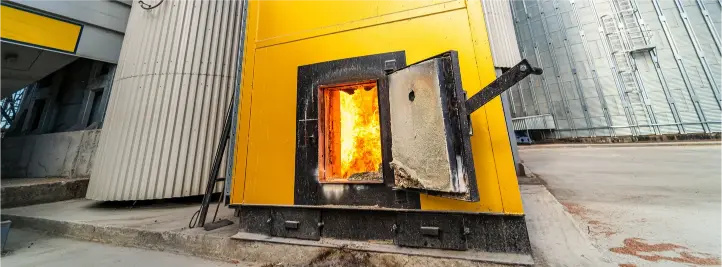
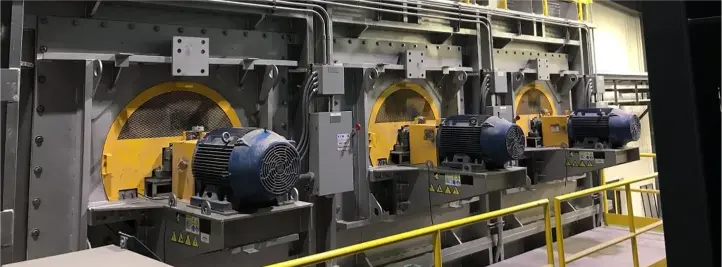
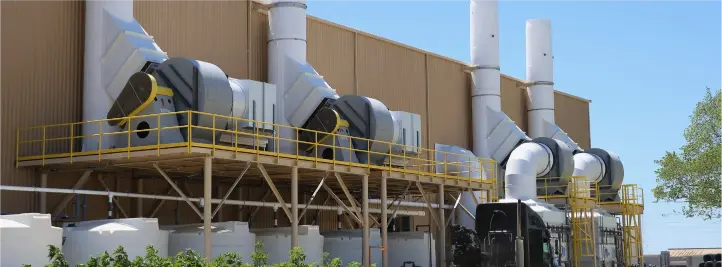
The glass industry uses a wide variety of nyb fans and blowers in the glass melting operation. Fans are used from the beginning of the process with raw material processing all the way to the formation of the finished products. Airflows and pressures required during each process are provided by various industrial fans manufactured by nyb.
Technical Specs
Technical Specs for Glass Fans
Design Features
- Heavy Duty Construction
- Reinforced Housings
Available Materials of Construction
- Mild Steel
- High Strength Alloys
Common Applications
- Dust Control
- Combustion Air
- Oven Recirculation
- Process Heating
- Process Cooling
- General Ventilation
Applications
Applications of Industrial Fans in the Glass Industry
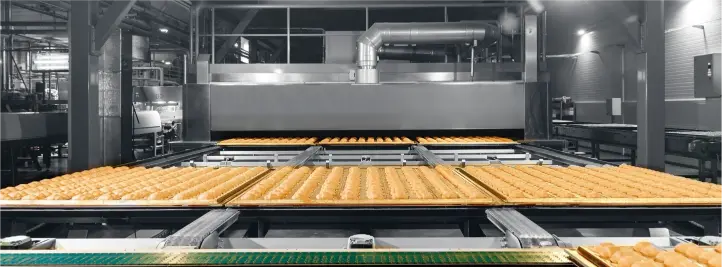
During the glass melting operation, the molten glass is directed to float or sheet glass forming areas which require exhaust and energy recovery systems. Fiberglass operations direct the molten glass to form sections where large fans pull the glass fibers down onto conveyors. From this point, the fiberglass is treated with resin and binders and baked in large ovens with recirculation fans. Dust control, trim systems and odor control all use heavy duty and abrasion-resistant NYB fans in their processes. General ventilation fans help remove fumes and bring fresh air back into the manufacturing facility, helping to maintain a safe working environment in the building.
Key Design Considerations
Key Design Considerations for Glass Melting Environments
When designing a fan for the glass industry, it is important to understand the application of the fan in the process. Required airflow and static pressure for the given application will help determine the appropriate fan type. Temperatures of the airstream can be elevated in these applications which will require possible changes in materials of construction. The makeup of the airstream is also critical to ensure the proper fan type and materials of construction utilized as material or gas laden airstreams can limit availability for certain blade designs and even materials of construction.
Fan Types
Fan Types Commonly Used in Glass Manufacturing
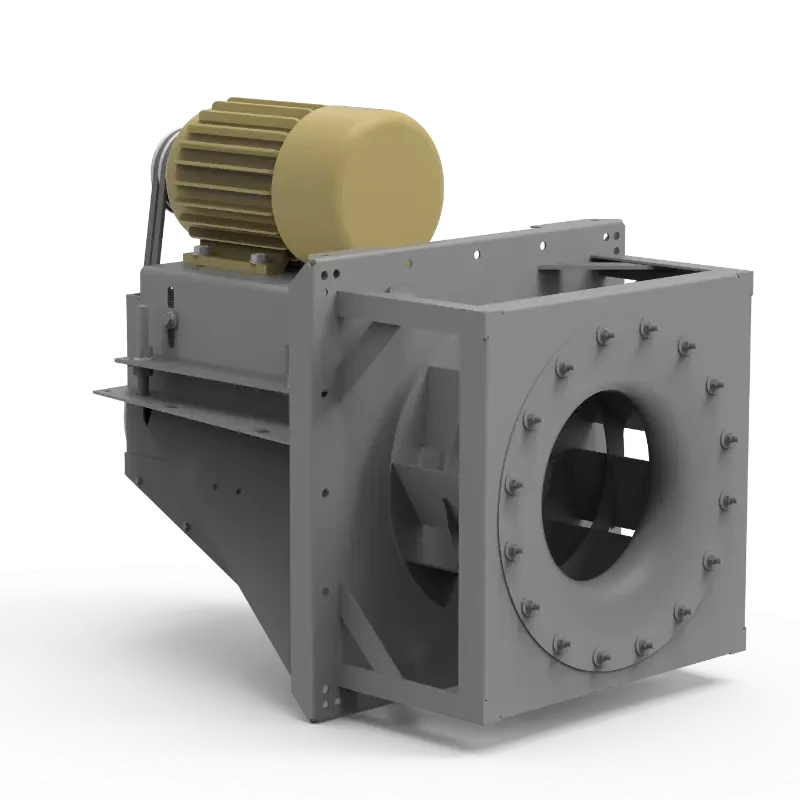
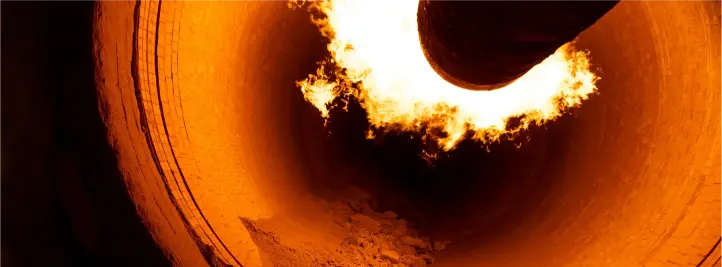
- Combustion air fans: Fans provide supply air for the combustion process in furnaces. Stable and constant pressures provide for efficient burning of fuel.
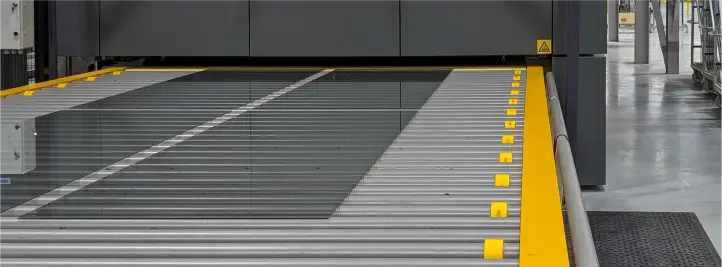
- Glass tempering: High-temperature sheets of glass are exposed to high-velocity ambient air to achieve a specific set of surface properties. The air is usually filtered and directed onto the hot surface as part of a continuous operation. Several stages of air jets are directed at the quenched surface until the desired surface temperature is achieved.
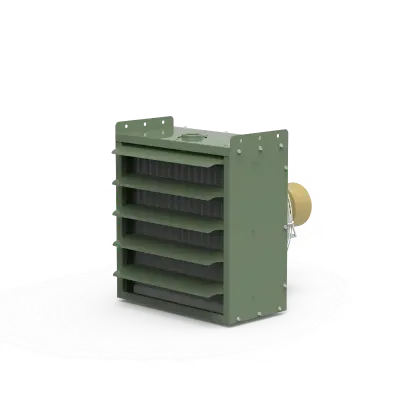
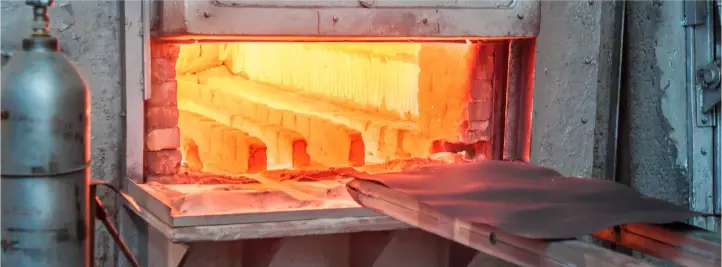
- Oven recirculation: Fans used inside the oven, help circulate the air as temperatures slowly decrease to cool the glass to the appropriate temperature needed.
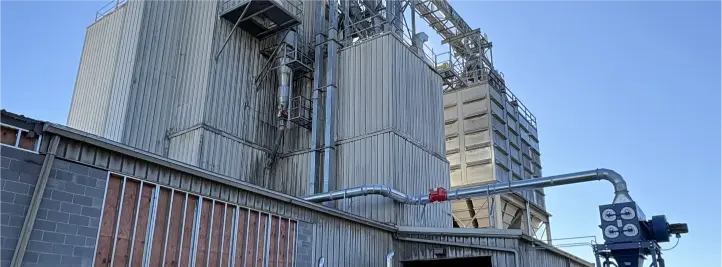
- Dust control fans: Fiberglass trim systems create dust during the process of adding fiberglass to the molten glass. Dust collection systems help capture the exhaust with the use of the fan attached to the collector.
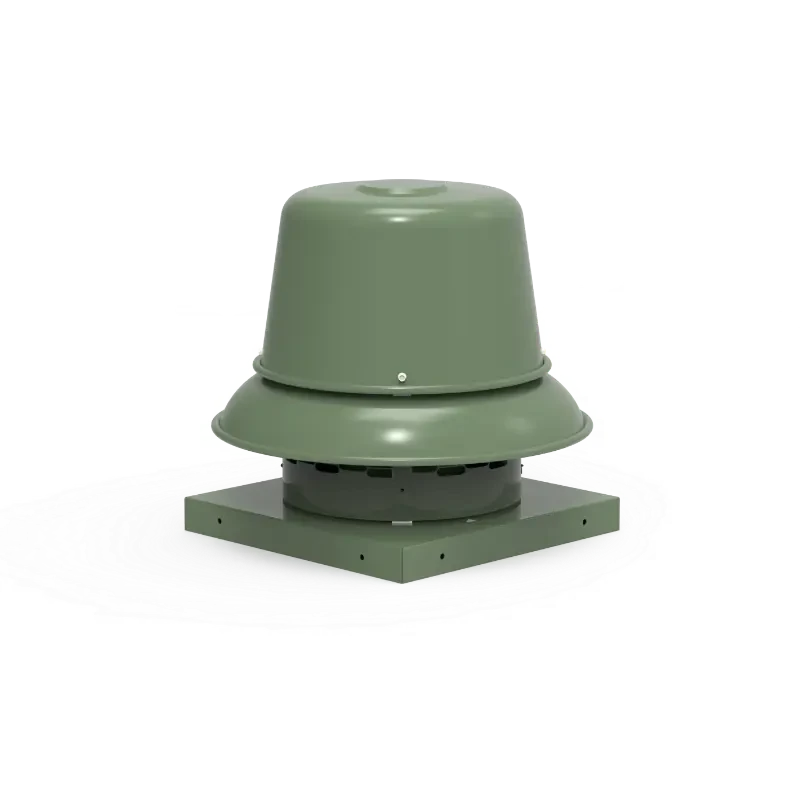
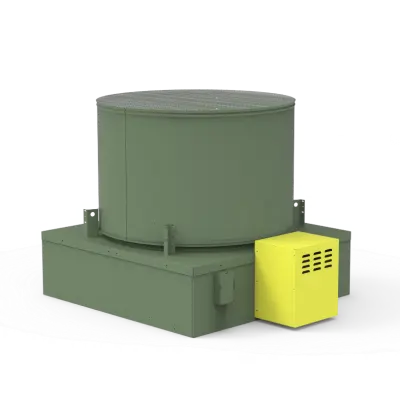
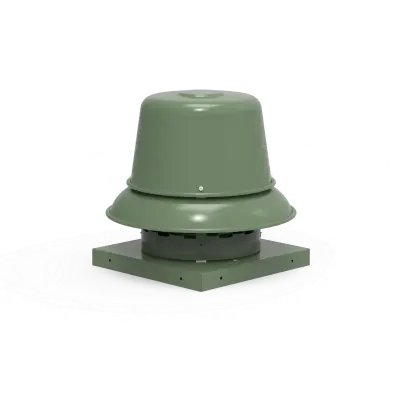
- General ventilation fans: Exhaust fans and roof ventilation fans help to remove the heat associated with the glass melting operation to maintain comfortable workspaces for employees.
Challenges and Regulations
Challenges Faced and Regulations in Glass Production
Industrial fans used in the processes associated with the glass industry face challenges that include consistent airflow and pressures in the supply of combustion air to the furnace. This consistency allows for efficient furnace operation which requires fan selection to be stable during operation. Elevated temperatures require high temperature construction features to ensure safe operation of the fan and safe conditions for those working on in surrounding areas of the fan. Environmental safety concerns for employees also include odor control and dust control which can be reduced with the correct systems assisted by the fan operation.
Related Products
Explore related fans.