








































Dilution Air

Industrial Dilution Air Fans
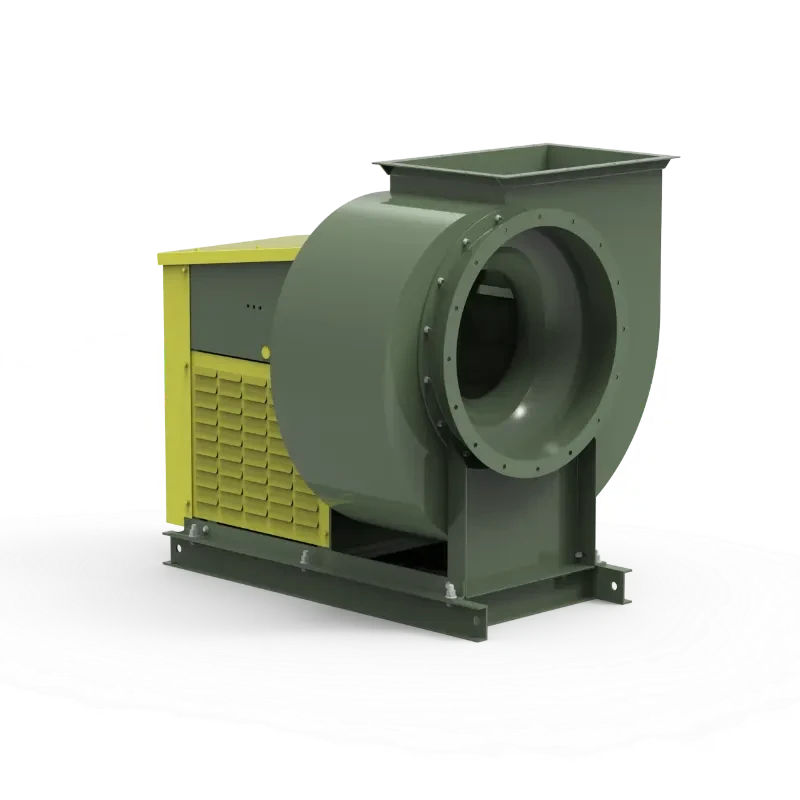
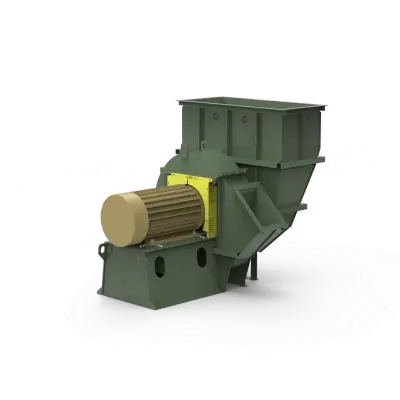
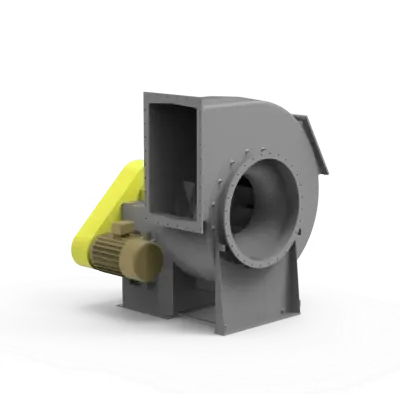
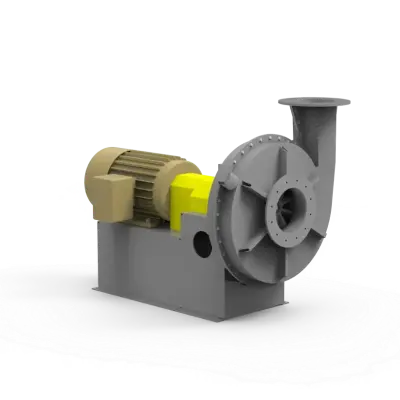
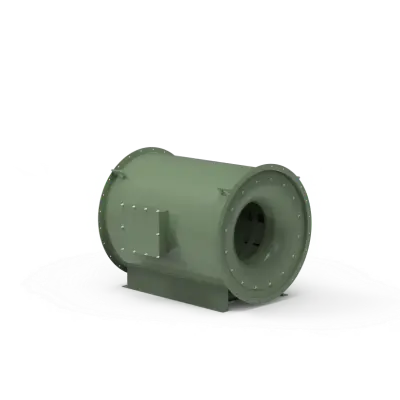
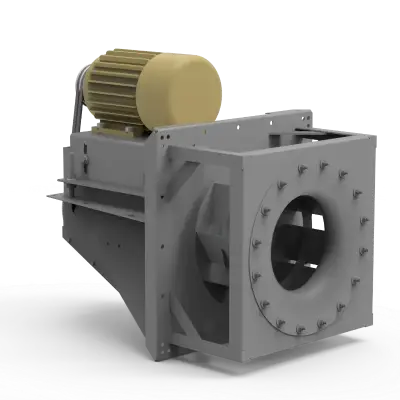
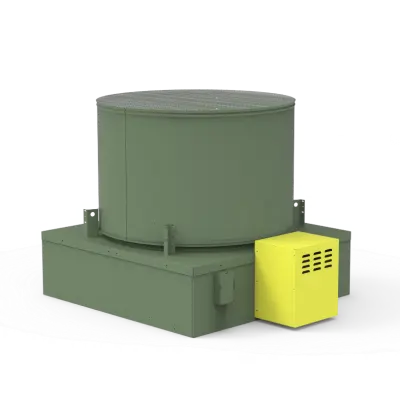
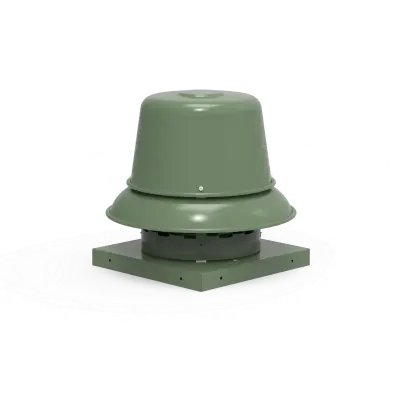
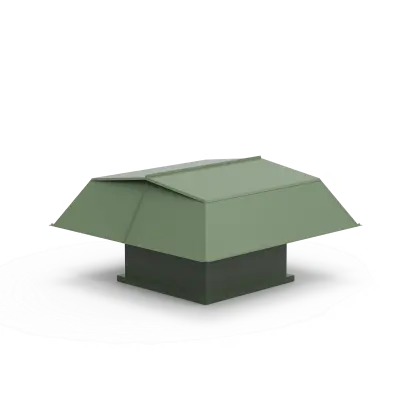
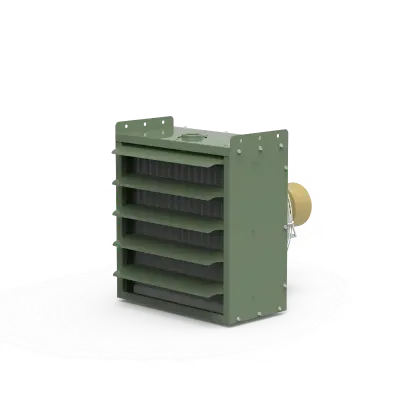
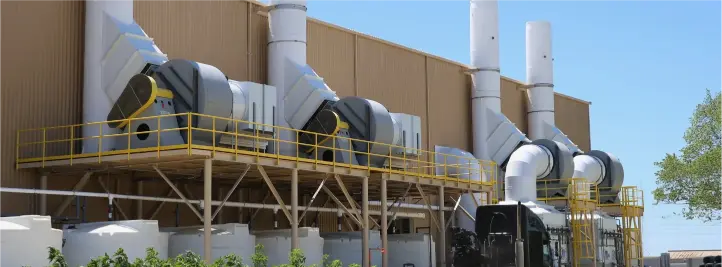
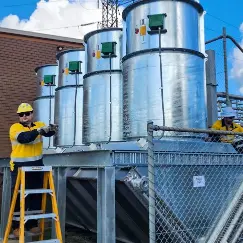
When emissions need tempering, dilution air offers a practical solution. nyb dilution air fans introduce clean airflow into exhaust streams, helping manage temperature, visibility, and code compliance without complex filtration.
Technical Specs
Technical Specs for Dilution Air Fans
Design Features
- Heavy-Duty Construction
- Abrasion-Resistant Construction
- Special Alloy Construction
- Special Coatings
Available Materials of Construction
- SST Alloys
- Mild Steel
- Inconnel
- Hastelloy
- Other Alloys
Common Industries
- Pollution Control
Applications
Applications of Industrial Dilution Air Fans
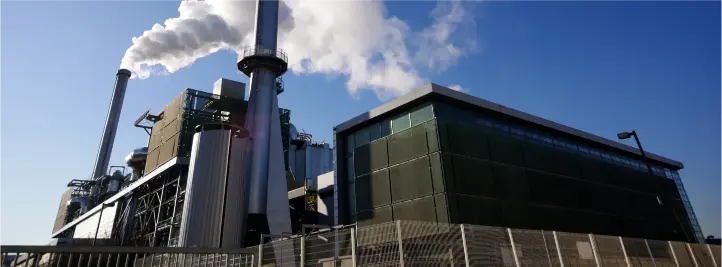
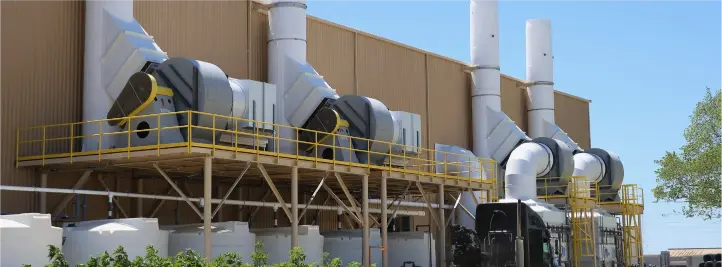
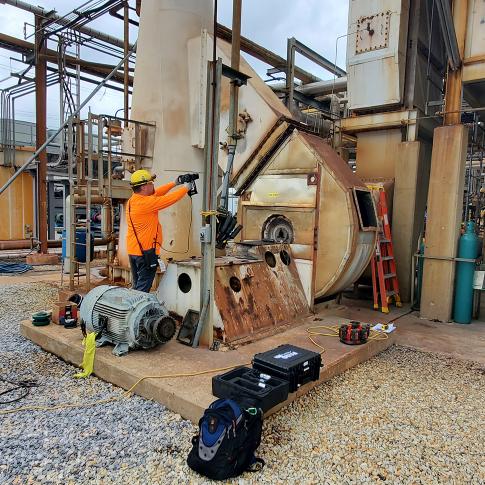
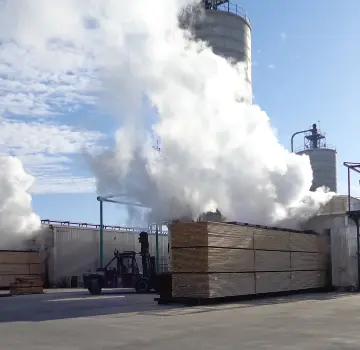
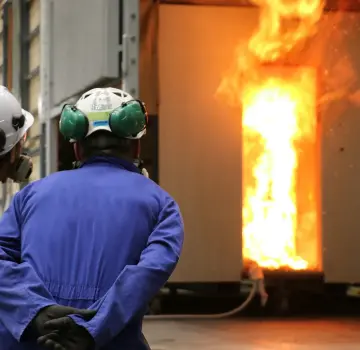
Dilution air systems use fans to introduce large volumes of clean air into emission streams, reducing the concentration of odors, moisture, or contaminants before release. This method helps facilities comply with air quality codes and visual standards, especially where emissions may affect nearby air intakes, buildings, or public zones. nyb fans are frequently used to dilute hot or corrosive gas streams, reduce plume opacity, or temper exhaust before dispersion through stacks or venturi systems. In HVAC or industrial exhaust applications, dilution air can also help control discharge temperature and velocity, improving dispersion height and reducing visible impact. By lowering the concentration of pollutants without the need for chemical scrubbing or filtration, dilution air provides a cost-effective, low-maintenance solution for meeting regulatory and aesthetic requirements.
Key Design Considerations
Key Design Considerations for Dilution Air Environments
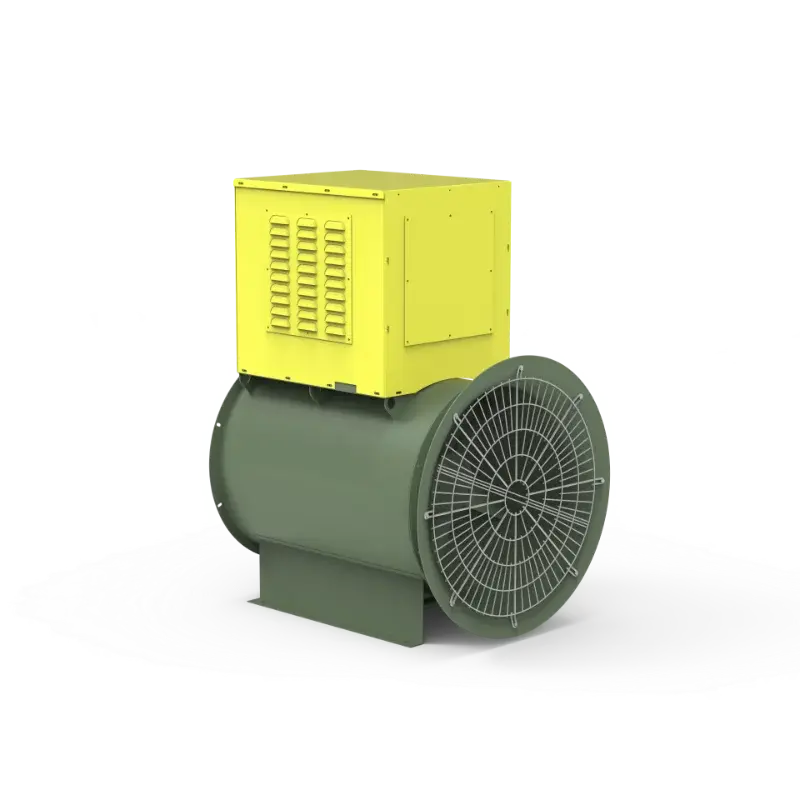
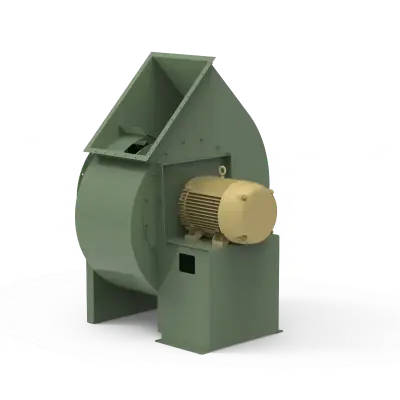
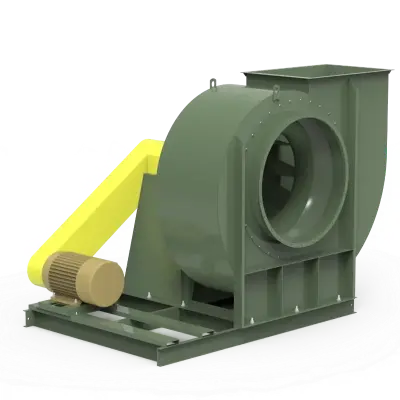
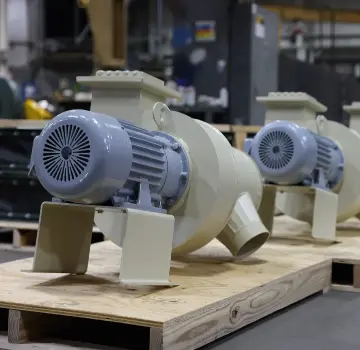
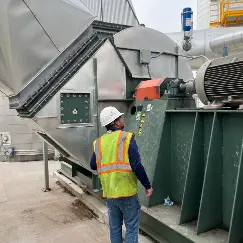
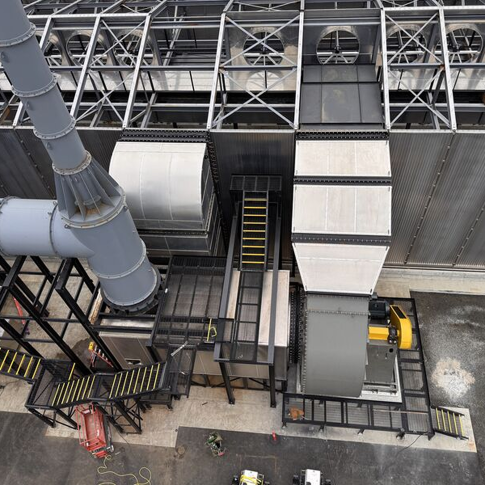
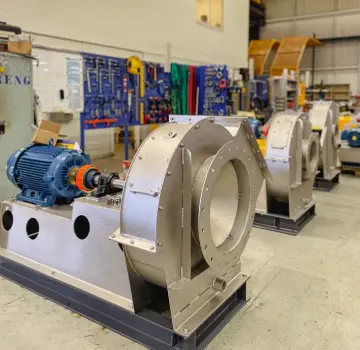
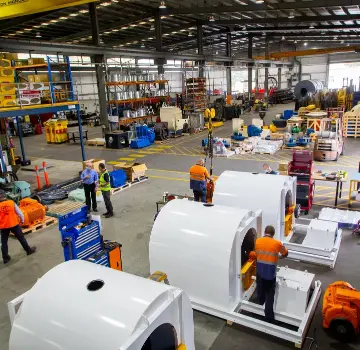
Dilution air fans must reliably move high volumes of ambient air while resisting exposure to moisture, temperature shifts, or corrosive emissions. nyb offers both direct and belt drive designs, with construction materials ranging from carbon steel to stainless or coated steel. Bearings and motors are isolated from the process airstream to extend equipment life, and ceramic felt shaft seals help prevent leakage or contamination. Inlet silencers, ambient air filters, and clean-out doors support system efficiency and maintenance. Safety features like electrical disconnects and fan guards are also standard. These design elements allow nyb dilution air fans to operate continuously in harsh or code-sensitive environments with minimal maintenance needs.
Fan Types
Fan Types Commonly Used in Dilution Air
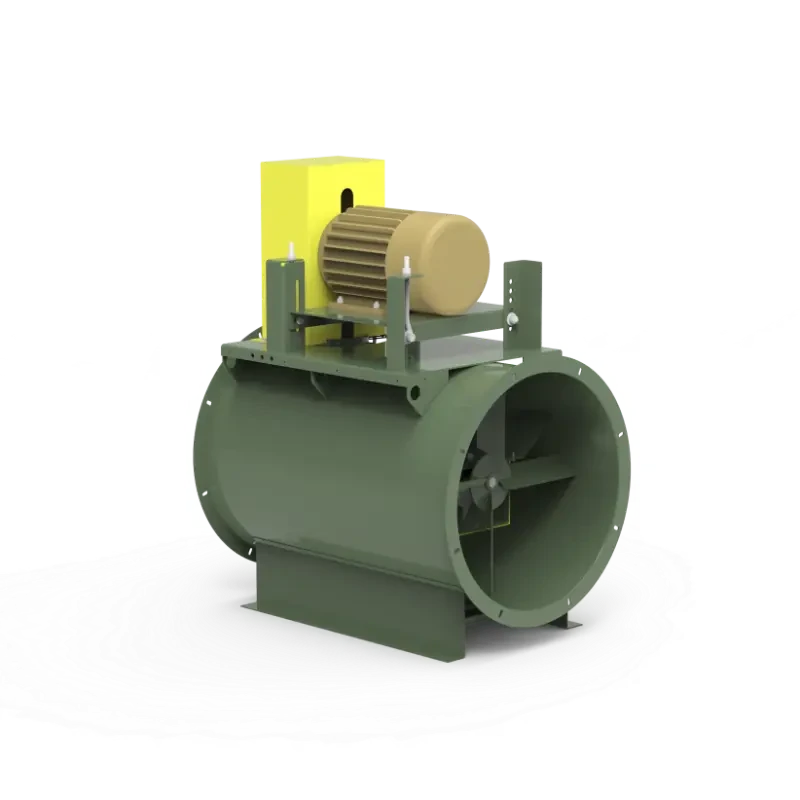
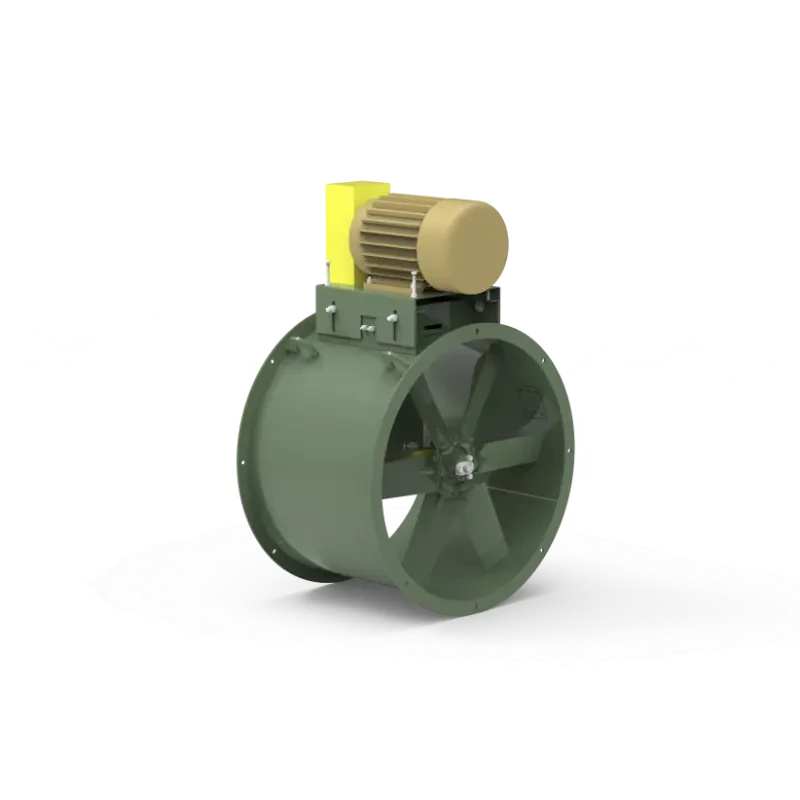
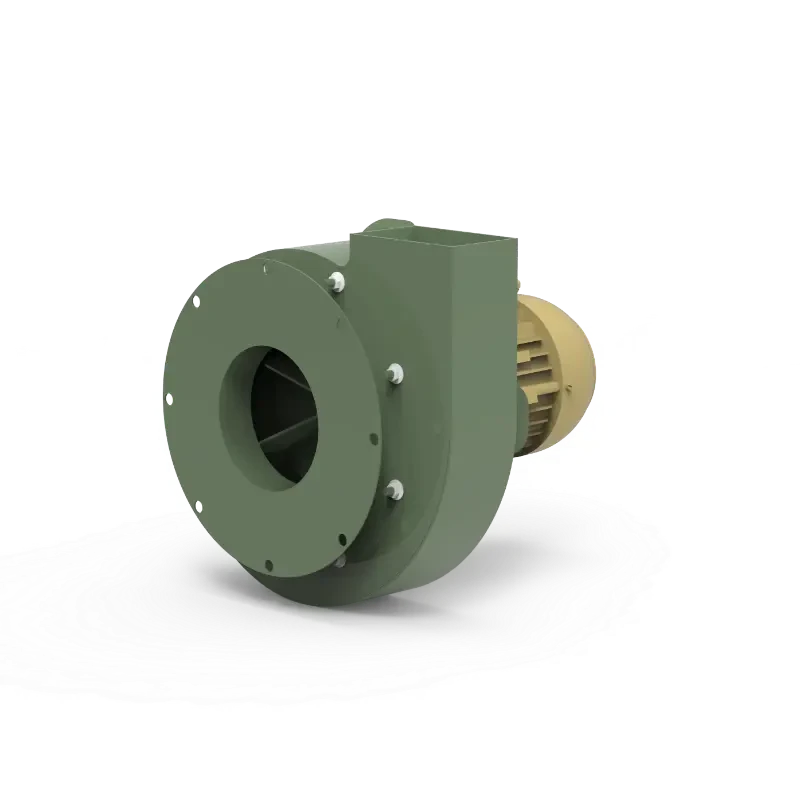
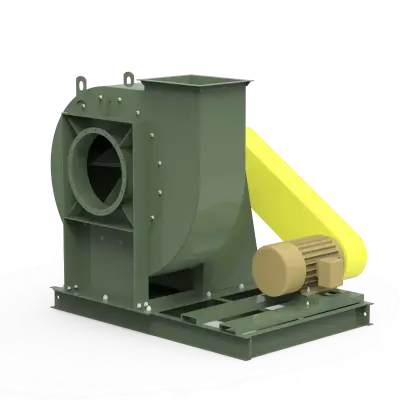
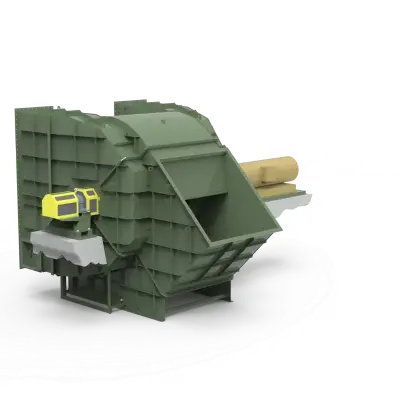
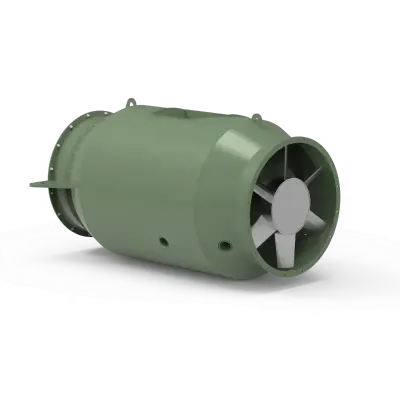
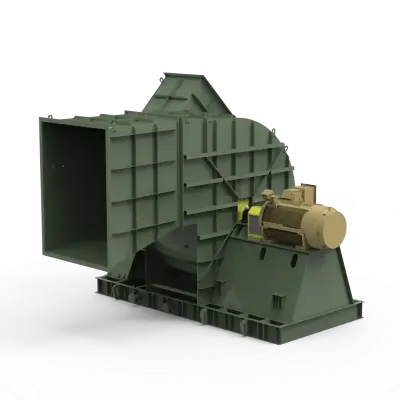
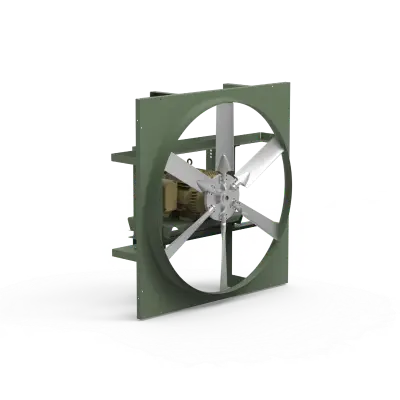
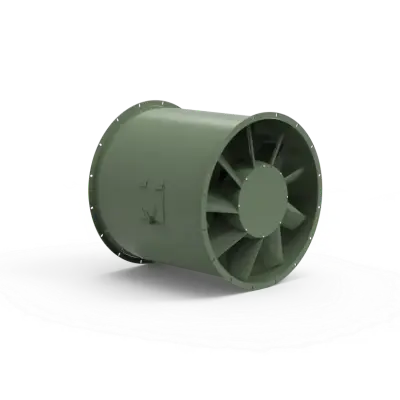
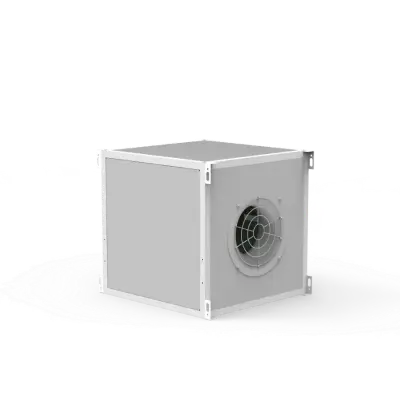
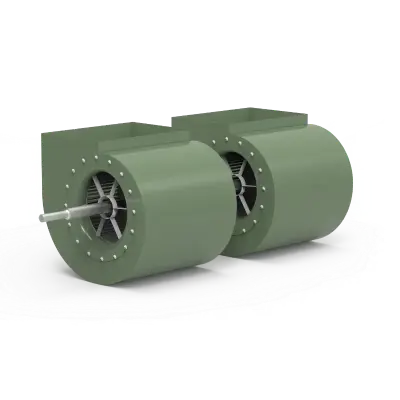
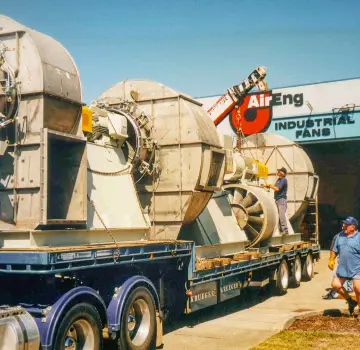
Dilution air fans must be capable of high airflow at low to moderate pressure. Axial dilution fan designs like Propeller, Duct, Vaneaxial, and Tubeaxial dilution fans are ideal for moving large volumes of clean air with minimal resistance. nyb also offers General Purpose Fans, SWSI Class 1, 2, 3, & 4 with ACF and PLR wheel, Compact GI Fans, and Junior Dilution Fans, plus OEM-ready Air Kits for modular or enclosed setups. For applications involving higher backpressure or longer duct runs, Series 20 GI Fans, Compact Pressure Blowers, and High Pressure Backward Curved Fans may be used. Fan materials are selected based on location and exposure — stainless steel or coated carbon steel is often preferred for outdoor or corrosive environments. The right dilution air fan ensures steady dilution without introducing turbulence or energy inefficiency.
Challenges and Regulations
Challenges Faced and Regulations in Dilution Air Fans
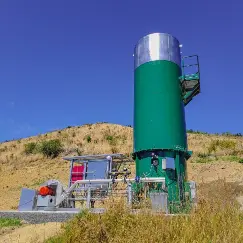
Dilution air fans must be designed to prevent contaminated air from recirculating or affecting sensitive building intakes. Many local building and HVAC codes require exhaust plumes to reach significant vertical clearance — often 50 feet or more above air supply sources. Achieving this without extensive ducting or stack extensions can be difficult. By injecting high volumes of clean air at the point of exhaust, nyb fans help achieve both dilution and the necessary vertical velocity for proper dispersion. Venturi conductors paired with fans can handle hot or corrosive gases, creating a low-maintenance system that meets code while minimizing system complexity and cost.
Related Products
Explore related fans.