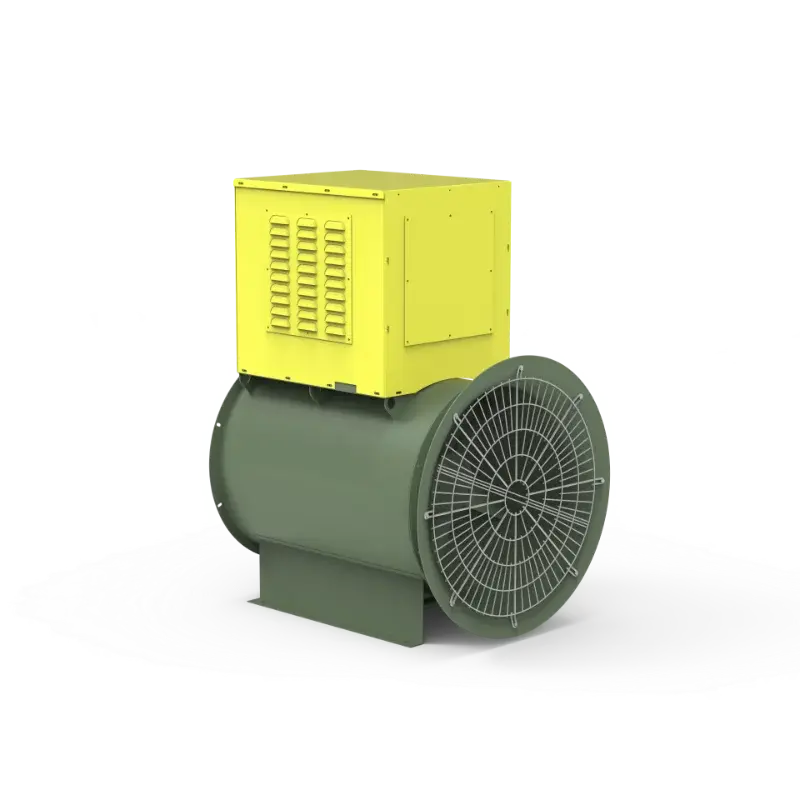
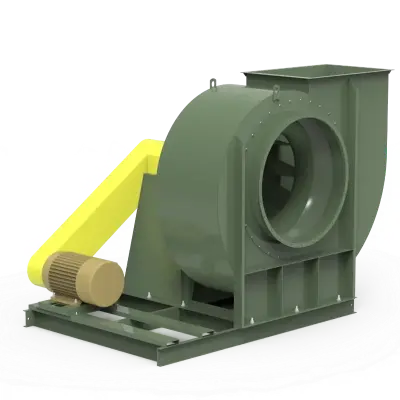


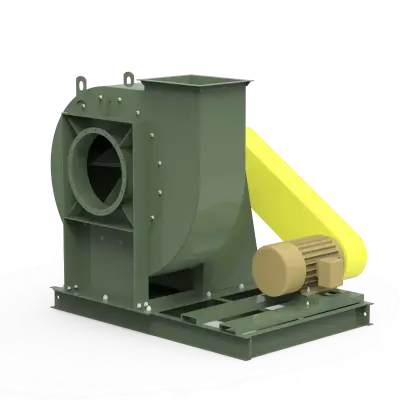
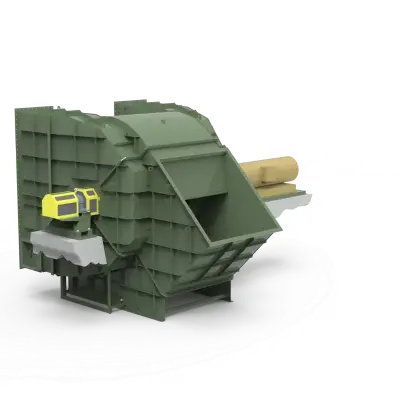


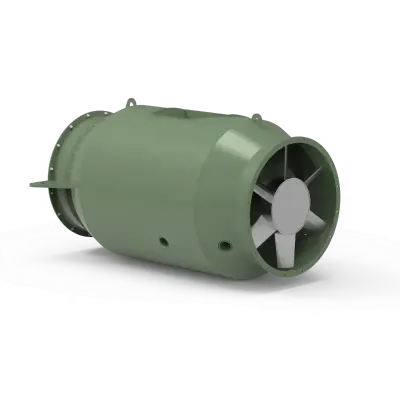
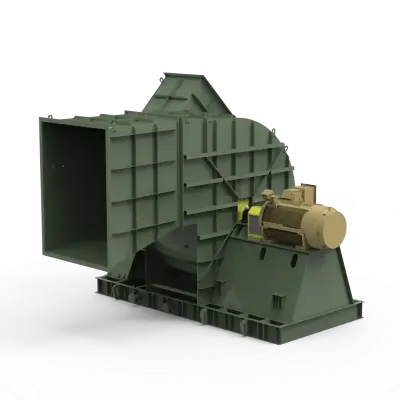

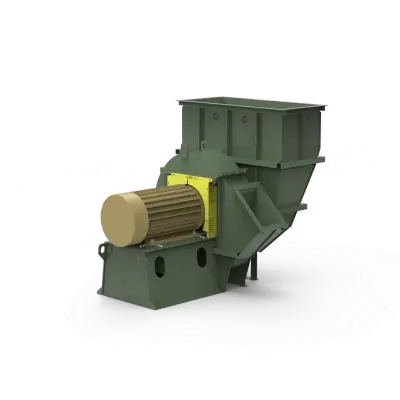
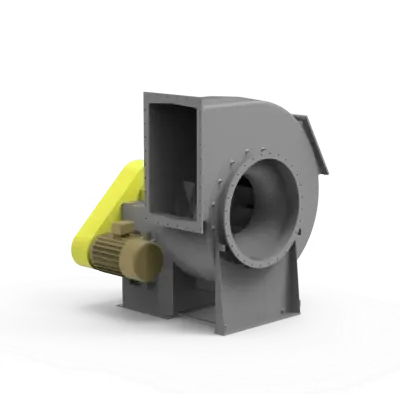
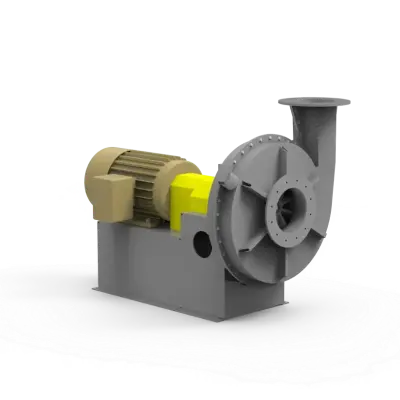




























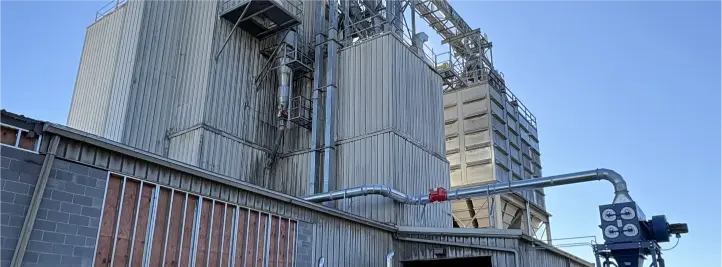
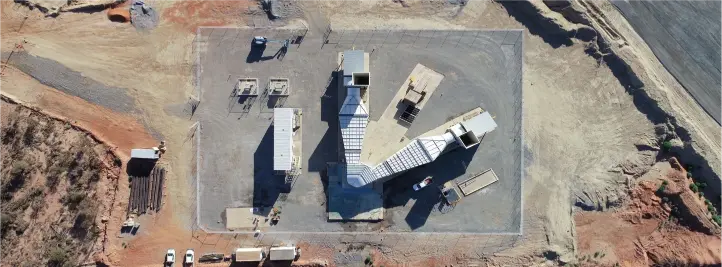

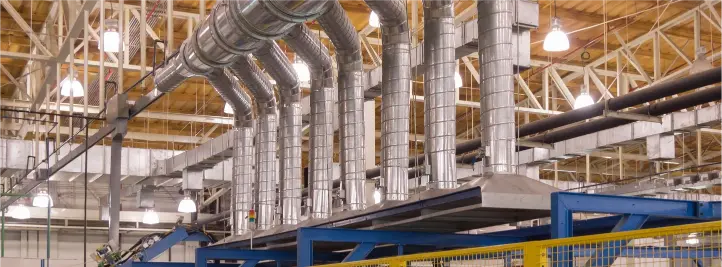






























Brick Industrial Fans & Blowers
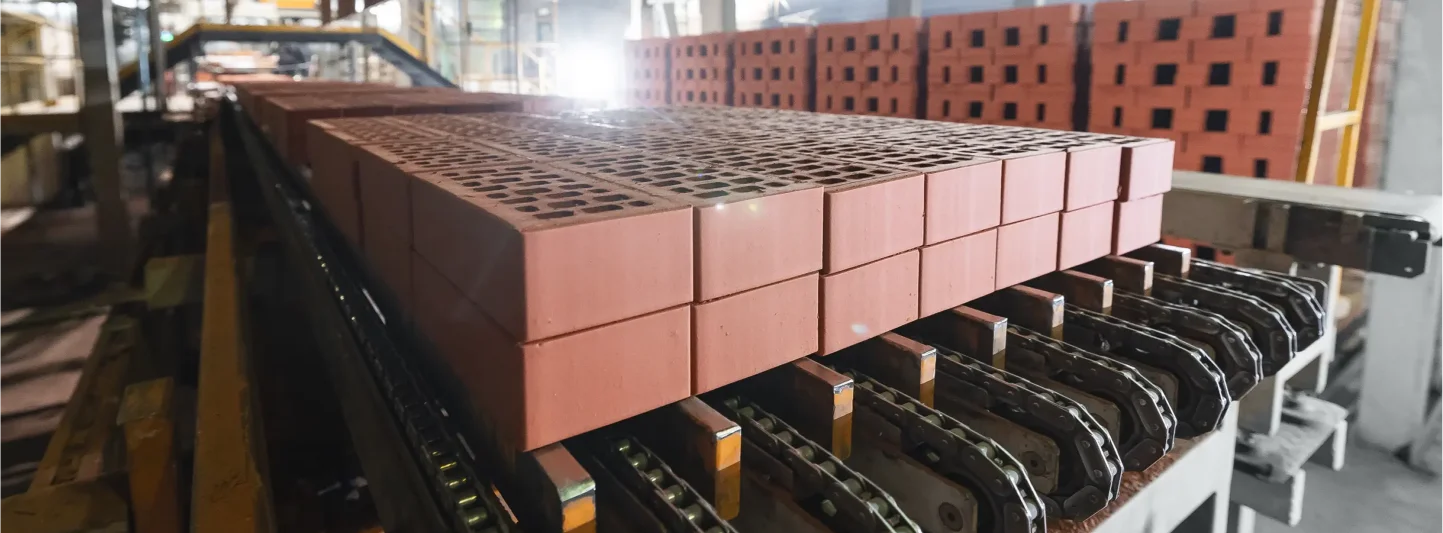
High Temperature Industrial Exhaust Blowers
The brick industry plays a vital role in the production of durable construction materials used across residential, commercial, and infrastructure projects. Manufacturing bricks involves high-temperature kilns, moisture control in drying systems, and effective management of airborne particulates. To meet these demands, industrial fans and blowers are essential for maintaining temperature consistency, supporting combustion processes, and facilitating pollution control.
The New York Blower Company (nyb) brings decades of expertise in supplying fans specifically engineered for brick manufacturing environments. nyb understands the demanding operating conditions and offers solutions tailored to factors such as bearing life, airflow control, temperature resilience, and maintenance accessibility.
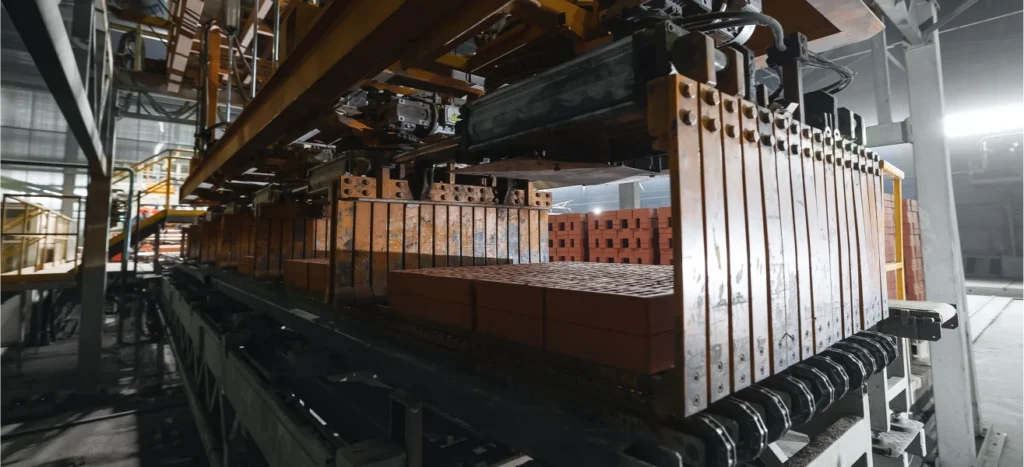
Technical Specs
Technical Specs for Brick Fans
Design Features
- High Temperature Construction (to 1300°F)
- Low Leakage Construction
- Back Pressure Blades
- Corrosion Resistant
- Alloys/Coatings
- Insulated Fan Housings
Available Materials of Construction
- SST Alloy Construction
- Hastelloy Construction
- Abrasion Resistant Alloys
Common Applications
- Combustion Air
- Oven Recirculation
- Oven Exhaust
- Process Heating
- Process Cooling
- Dust Collection
Applications
Applications of Industrial Fans in the Brick Industry
Industrial fans are integrated across multiple phases of brick manufacturing. Their role is essential in enabling process efficiency, product quality, and compliance with environmental standards.
- Combustion Air Supply: Forced draft fans provide a steady stream of combustion air to fuel burners, maintaining consistent heat levels in kilns.
- Kiln ID and Ventilation: Fans maintain stable kiln temperatures and extract hot exhaust gases.
- Oven Air Recirculation: Ensures even heat distribution and reduces energy use through thermal recovery.
- Exhaust Ventilation: Removes harmful fumes and controls humidity within the facility.
- Cooling Bed Systems: Cools down finished products prior to packaging and shipment.
- Dust Collection: Manages particulate emissions to meet regulatory and safety requirements.
Key Design Considerations
Key Design Considerations for Brick Manufacturing
When selecting industrial fans for the brick industry, several engineering criteria must be evaluated. Careful selection ensures the right balance between initial cost, long-term performance, and energy efficiency.
- Wheel or Rotor Type: Radial, backward-curved, radial tip, or axial—selected based on air volume, pressure, and particulate load.
- Fan Arrangement & Configuration: Tailored to airflow direction, space constraints, and serviceability.
- Operating Speed: Influences fan size, noise, and energy consumption.
- Materials of Construction: Corrosion-resistant alloys and wear-resistant coatings extend equipment life.
- Environmental Conditions: Must consider dust, temperature extremes, and process variability.
Fan Types
Fan Types Commonly Used in Brick Manufacturing
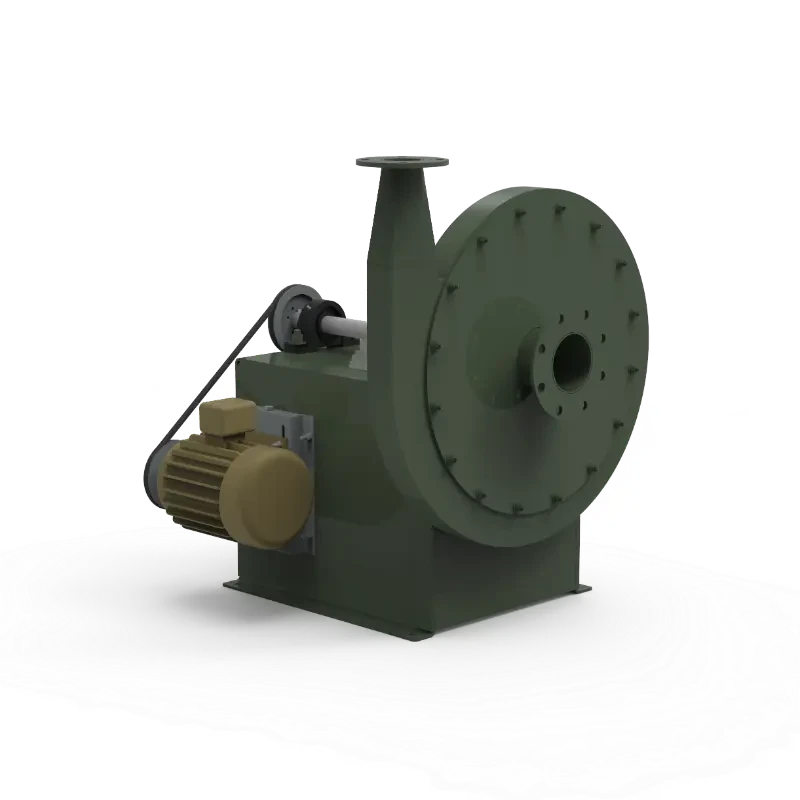
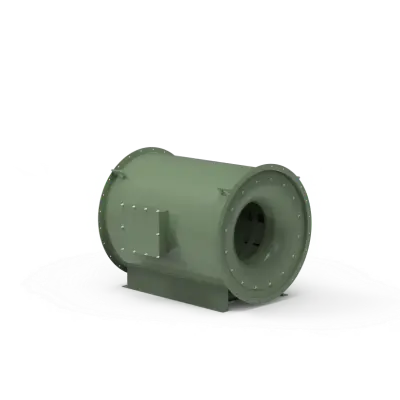
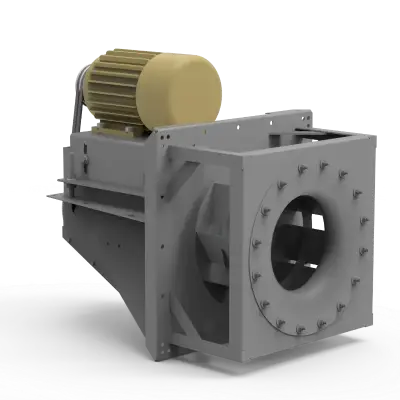
- Combustion Air Fans: These forced draft fans deliver high-pressure, stable airflow to burners. nyb designs incorporate aerodynamic elements to reduce pulsation and maintain constant pressure.
- Kiln Drying Fan: Maintain even air distribution inside the kiln, supporting uniform product formation and reducing shrinkage. These fans must resist high temperatures and operate continuously.
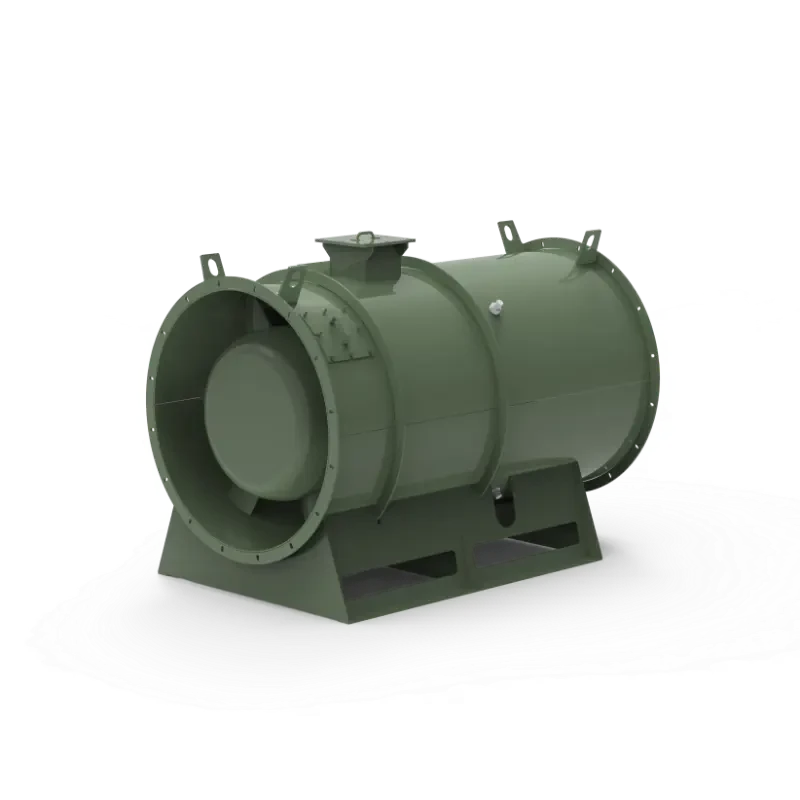
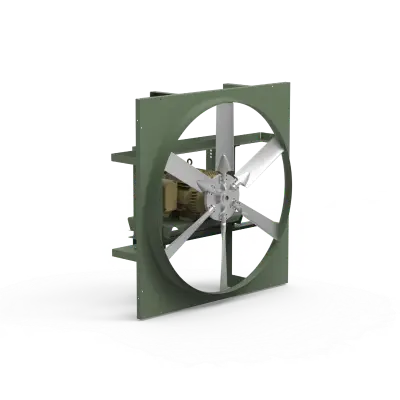
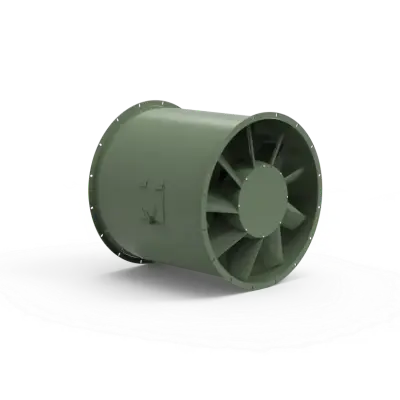
- Cooling Bed Fan: Used at the final production stage, cooling bed fans ensure products are safely cooled before packaging. Axial fans are ideal for broad airflow coverage and efficient heat dissipation.
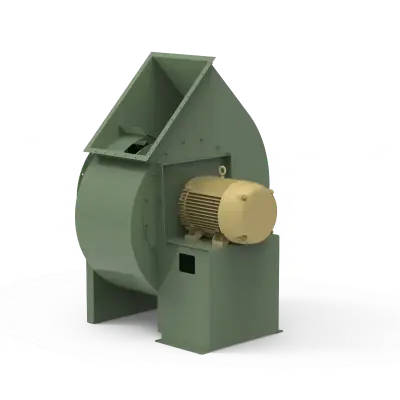
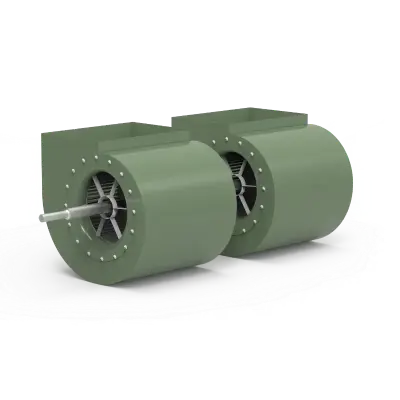
- Dust Collection Fans: Utilized in both clean (SWSI Fans) and dirty air (Series 20, Series 30, and Series 45 GI Fans) handling systems, these fans manage emissions and maintain safe air quality. Fan materials and seals are selected to withstand abrasive dust.
Challenges and Regulations
Challenges Faced and Regulations in the Brick Industry
The brick industry presents several operational challenges. Dust load, high temperatures, and process variability are the most critical.
Because of the abrasive and dusty nature of the environment, fan assemblies must be rugged-duty, resistant to erosion, and capable of maintaining performance under harsh operating conditions. Dust accumulation causes wear and vibration, demanding robust design.
Thermal stresses require proper material and thermal expansion management for brick fans. Kilns operate at extremely high temperatures, requiring precise and reliable ventilation to ensure uniform heat distribution and pollutant removal. Inadequate ventilation may lead to inconsistent brick quality and system inefficiencies.
Variable flow demands mean fans must be sized and controlled for fluctuating conditions. Drying is a critical step in the brick manufacturing process, removing moisture to prevent cracking and deformation. Proper, variable airflow ensures structural integrity and minimizes waste.
Related Products
Explore related fans.