



































Process Heating
Industrial Process Heating Fans
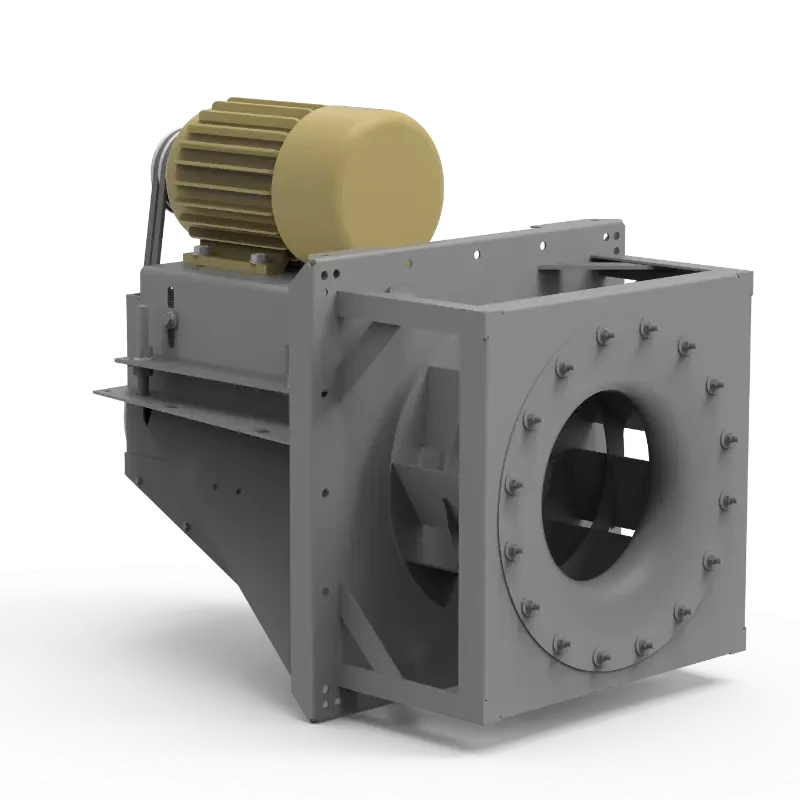
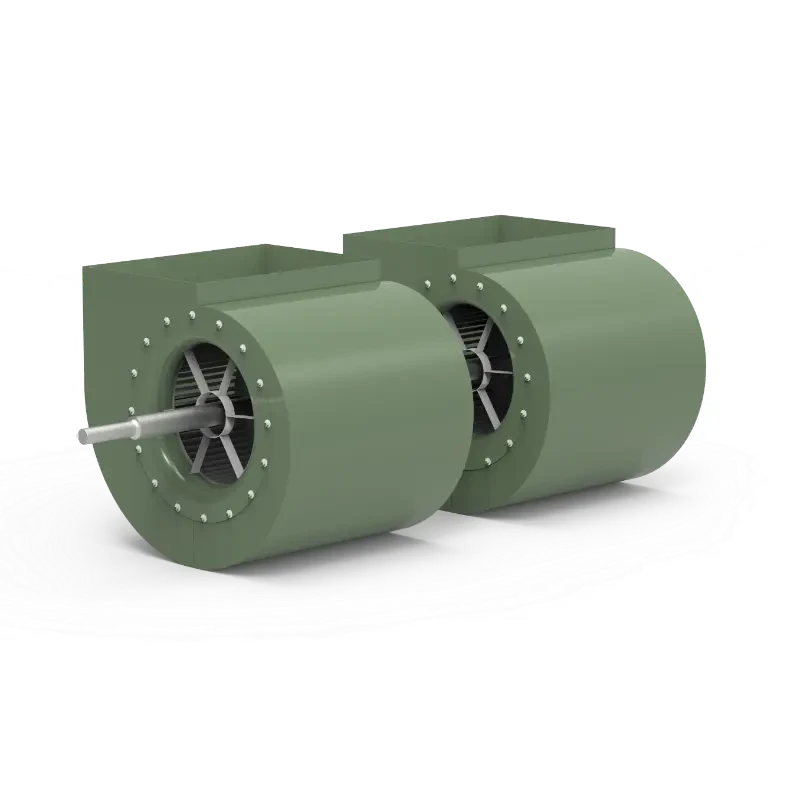
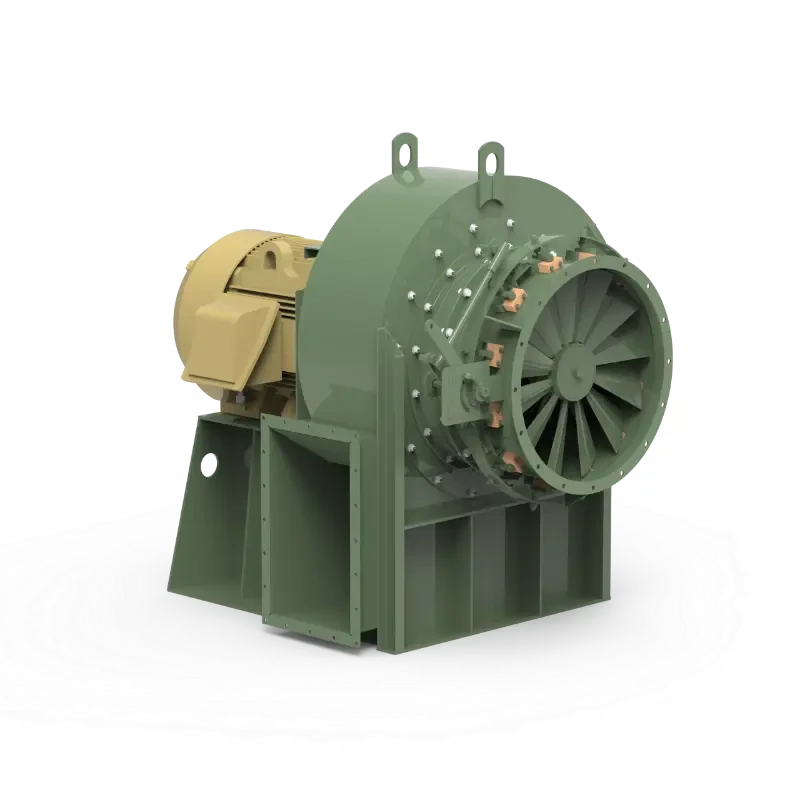
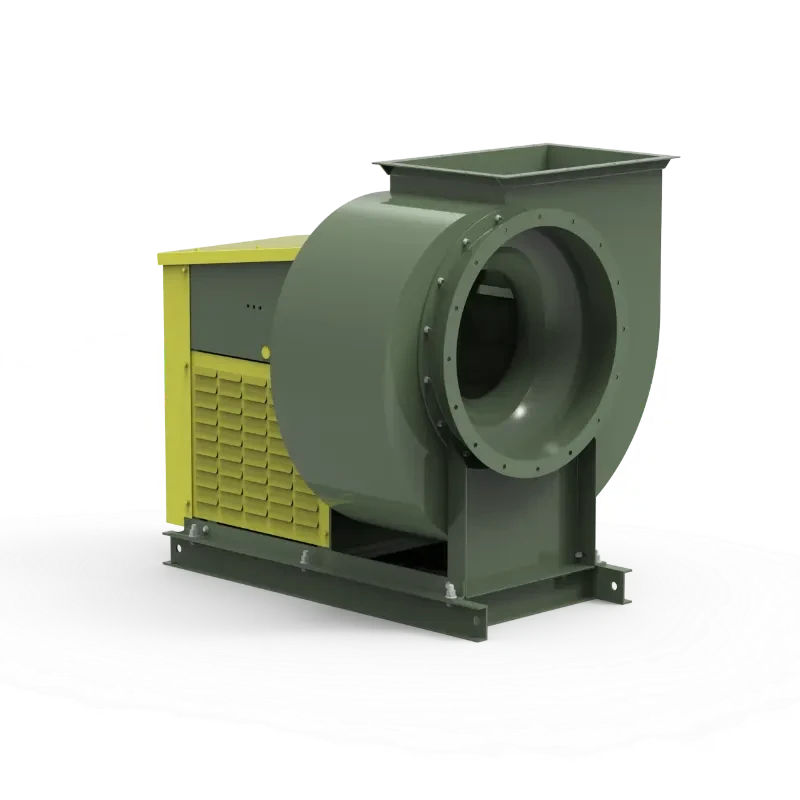
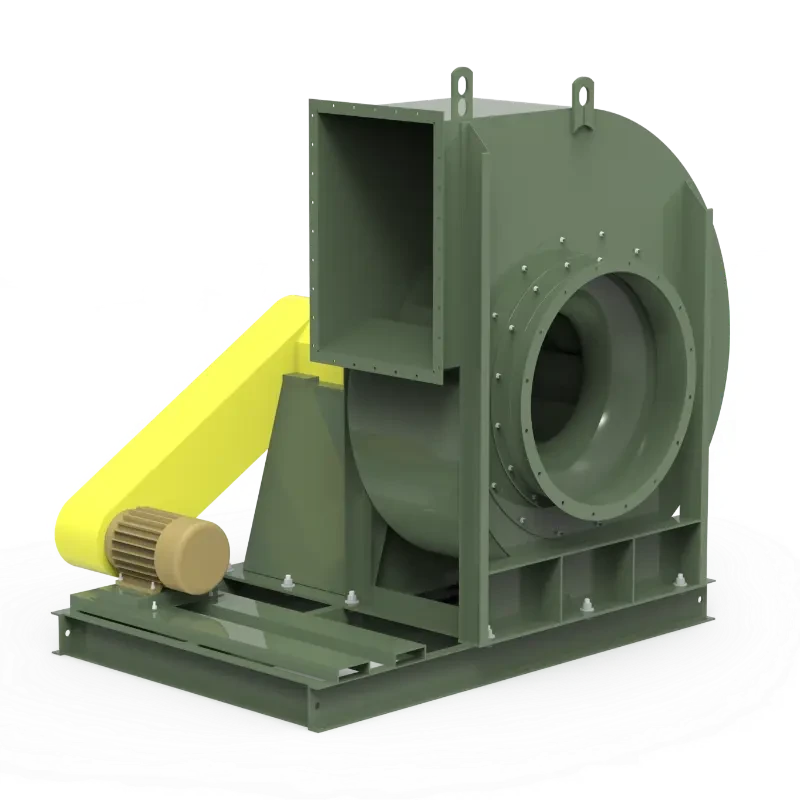
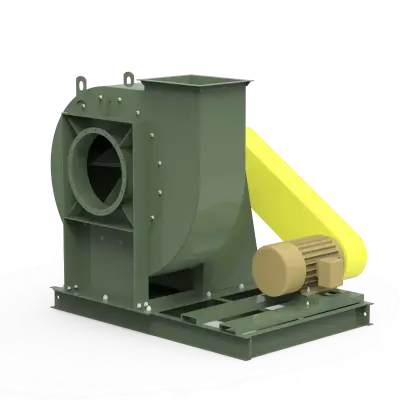
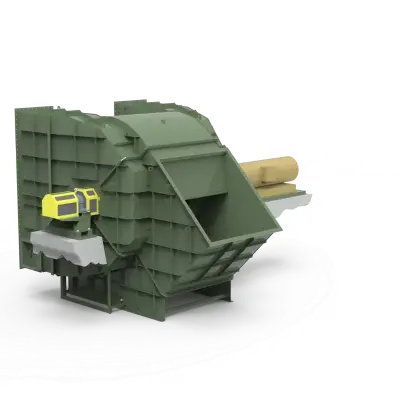
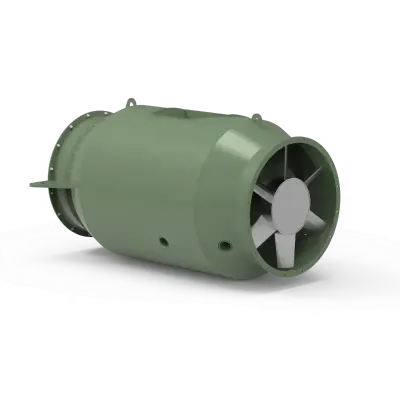
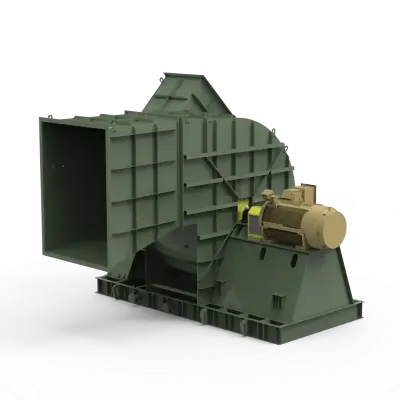
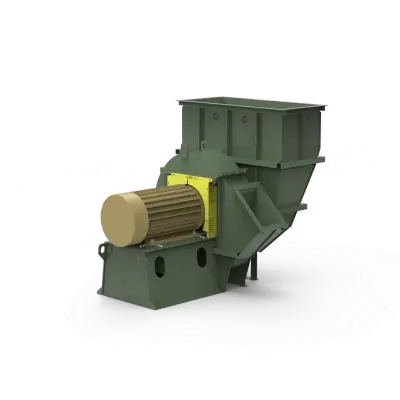
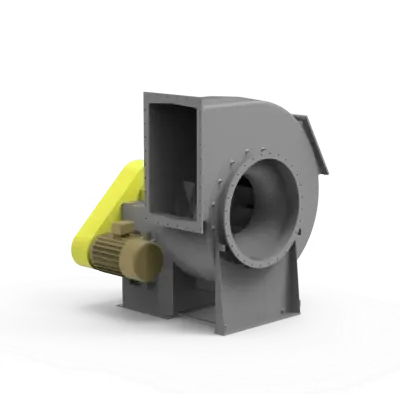
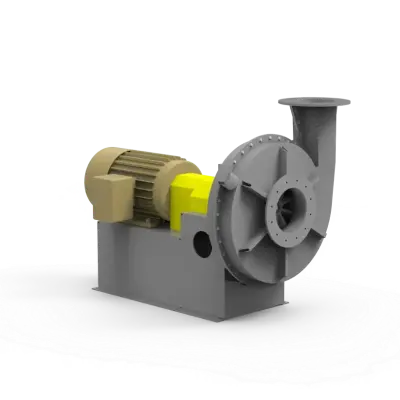
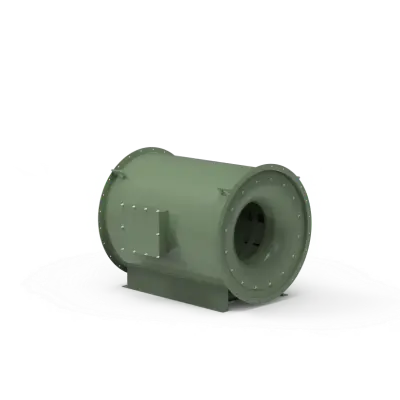
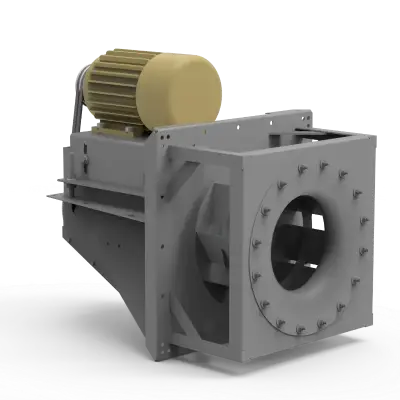
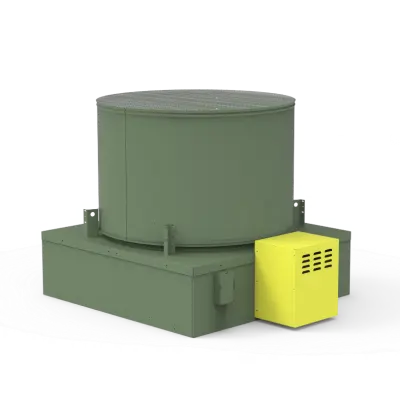
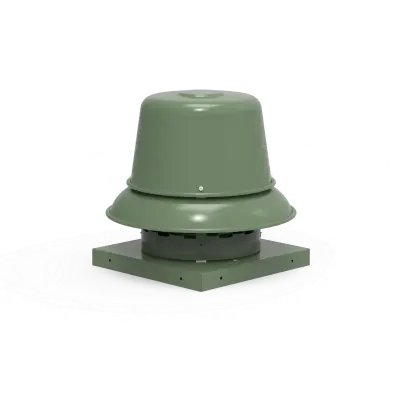
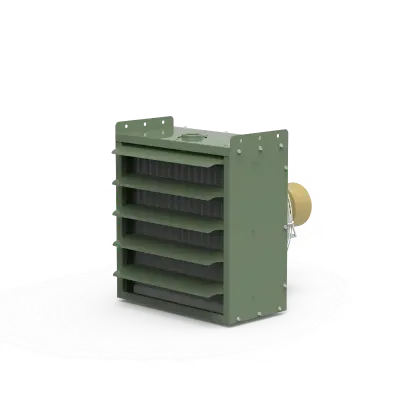
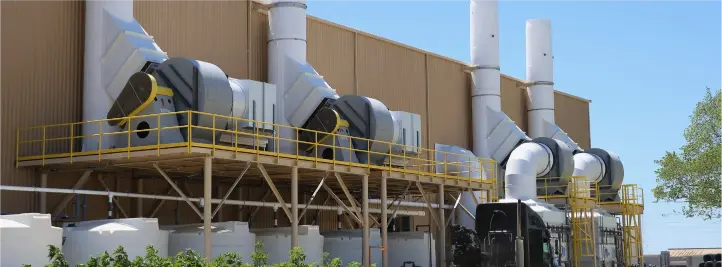
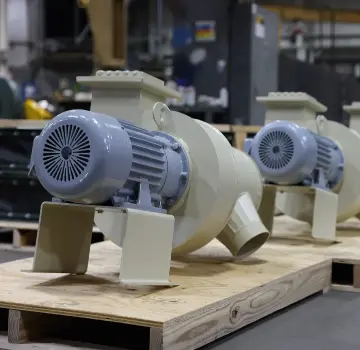
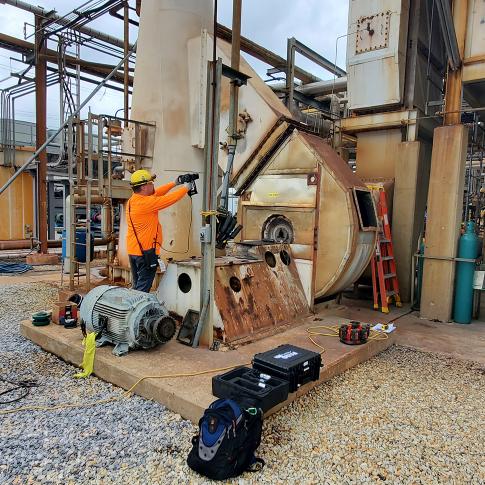
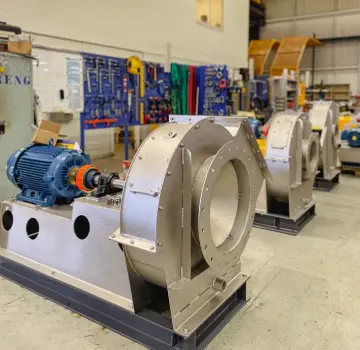
Process heating fans keep hot air moving where it matters most. nyb fans are trusted in ovens, kilns, and combustion systems for our industrial heating fans’ thermal stability, consistent airflow, and ability to perform in even the most heat-intensive applications.

Technical Specs
Technical Specs for Process Heating Fans
Design Features
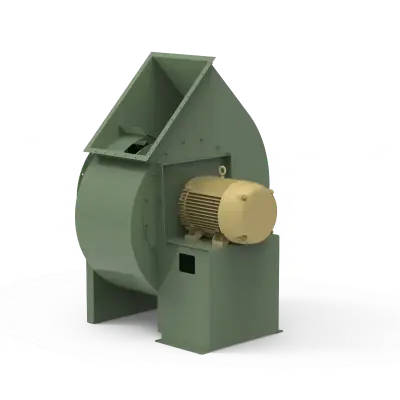
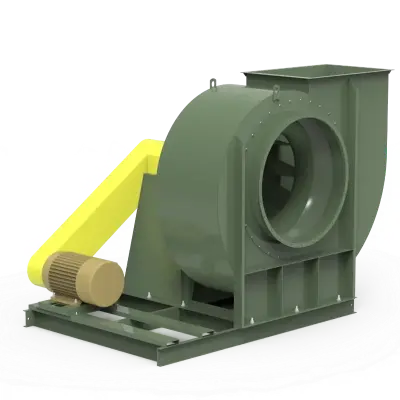
- Belt Drive or Direct Drive
- Bearings and Motors Isolated from the Process
- Shaft Seals with Ceramic Felt Elements
- Housing Cleanout Doors
- Insulated/Cladded Housings
- Safety Guards and Electrical Disconnect
- Ambient Air Inlet Filter and Silencer
Available Materials of Construction
- Carbon Steel
- Stainless Steel
- FRP
Common Industries
- Ovens
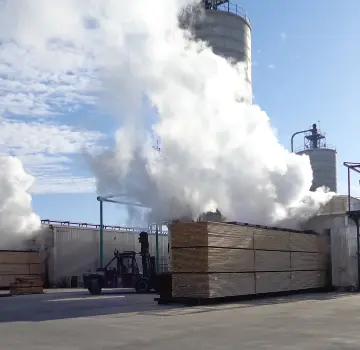
- Wood Products
- Kaolin & Clay
- Metals & Minerals
- Petrochemical
Applications
Applications of Industrial Process Heating Fans
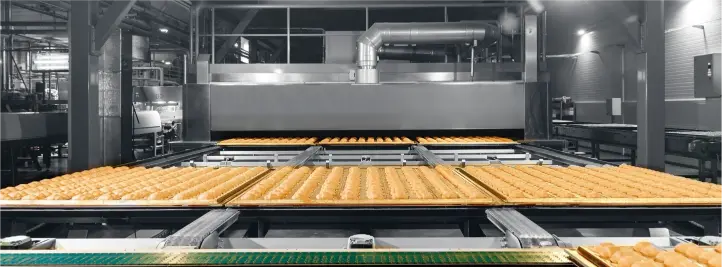
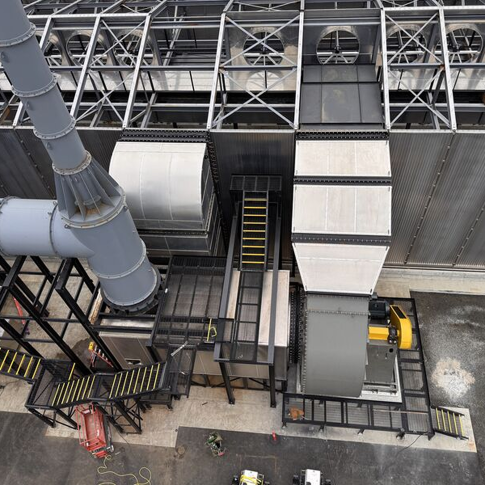
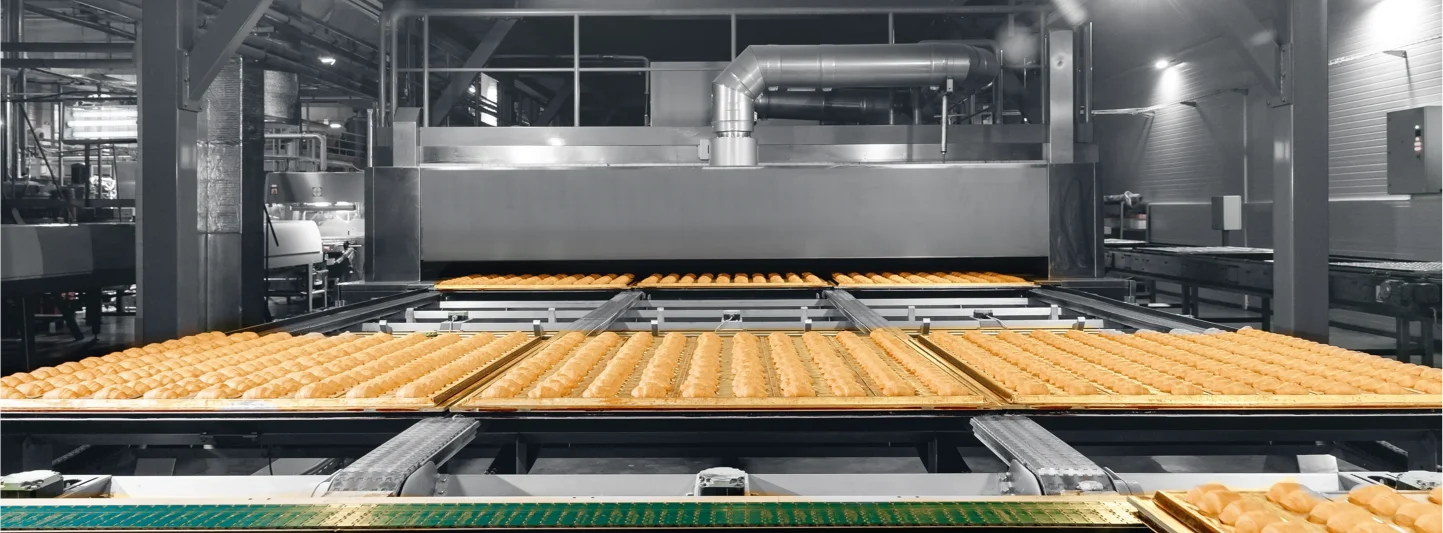
In process heating systems, industrial heating fans play a central role in distributing, maintaining, and regulating heated air. Whether integrated into ovens, kilns, dryers, or boilers, these industrial heating fans are responsible for moving hot air through heating coils or burner plenums and through process chambers to ensure uniform heat transfer. They prevent hot and cold spots by circulating air within the system and are also used in drying processes across food, paper, and textile industries to accelerate moisture removal. In boiler and furnace setups, combustion air fans deliver a steady flow of air required for efficient fuel burn. In other systems, fans may assist in post-heating cooling, as in cement production, where clinkers must be cooled quickly after firing. From low-temp drying tunnels to high-temp process heaters, nyb fans provide consistent airflow to maintain the thermal balance needed for safety, performance, and energy efficiency.
Key Design Considerations
Key Design Considerations for Process Heating Fans
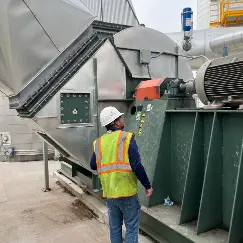
Process heating fans must withstand elevated temperatures, high cycle rates, and constant mechanical stress. nyb fans are offered in carbon steel, stainless steel, or FRP, with configurations that match each process requirement. Bearings and motors are isolated from the airstream to protect against heat exposure, and ceramic felt shaft seals are used to maintain performance over time. Safety and serviceability features like housing clean-out doors, electrical disconnects, and inlet silencers are available for most models. In cleanroom or sanitary environments, polished or coated finishes can also be specified. These design elements ensure long fan life and minimal maintenance, even under demanding heat loads.
Fan Types
Fan Types Commonly Used in Process Heating
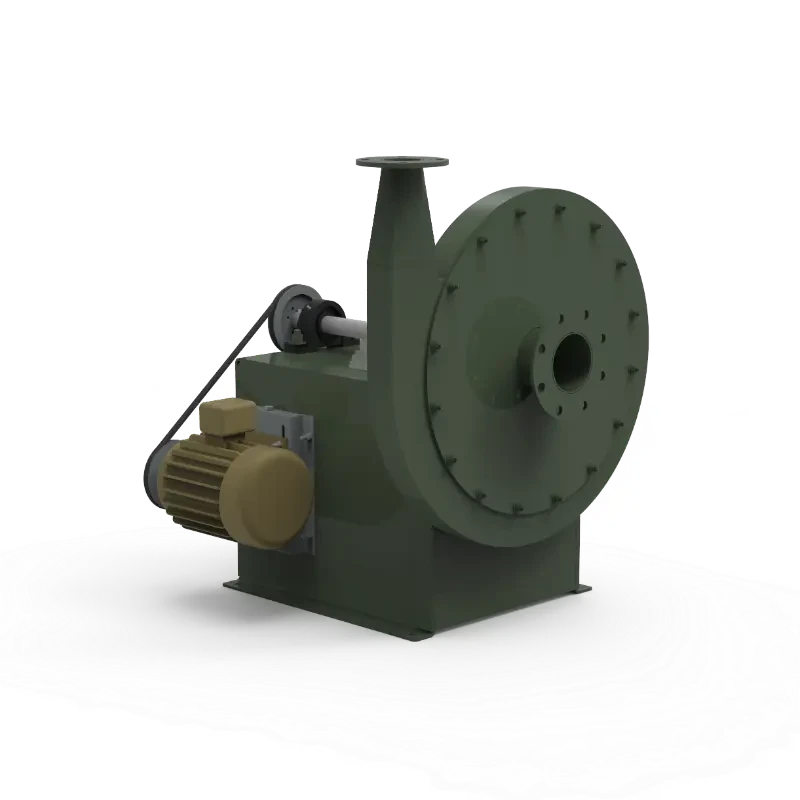
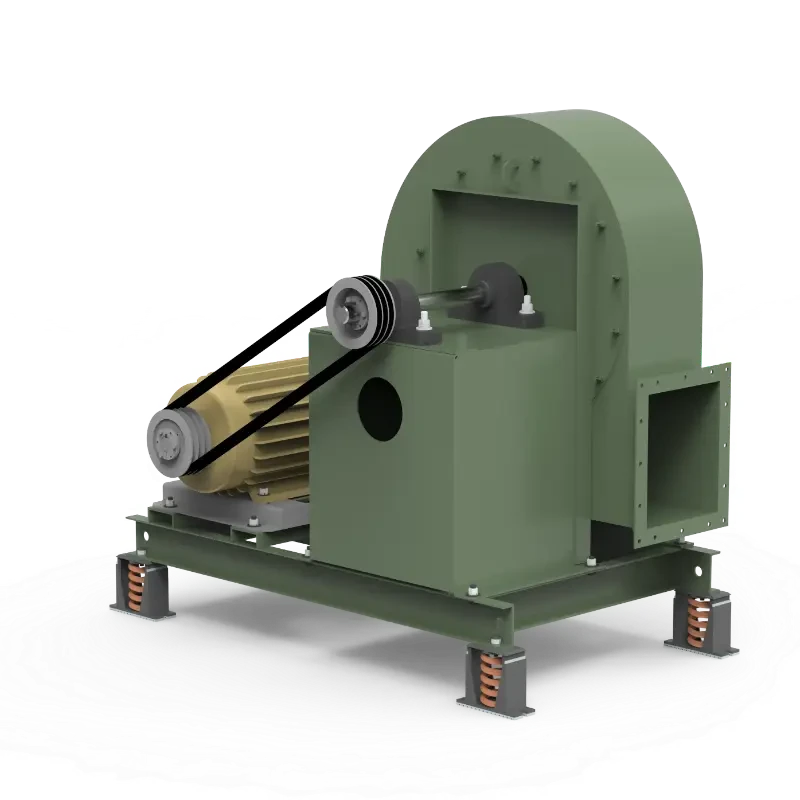
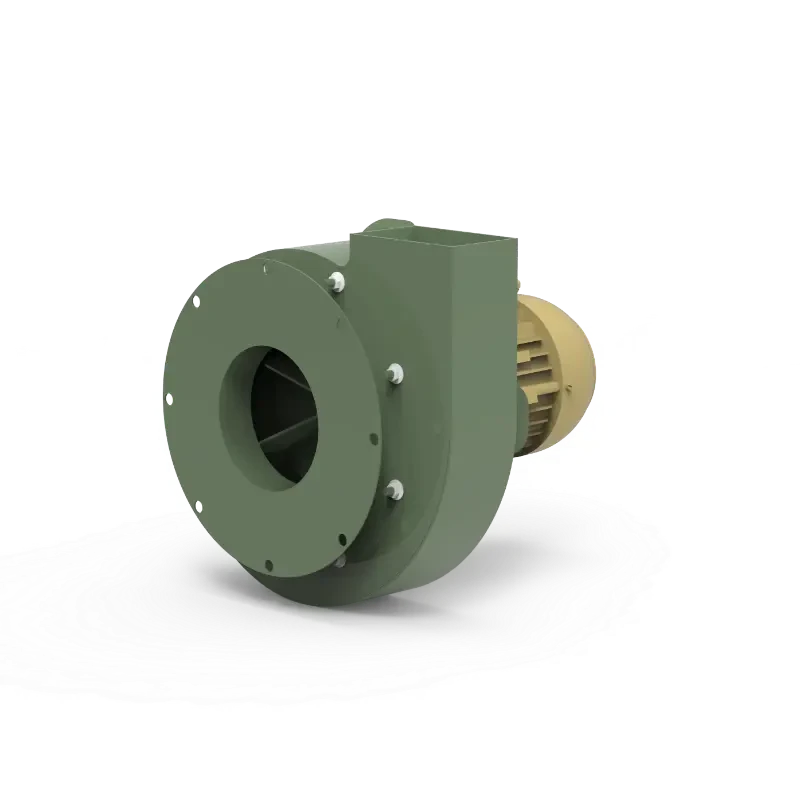
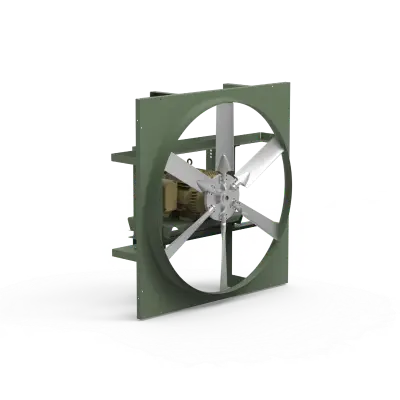
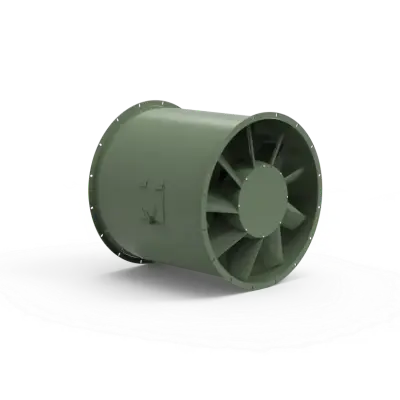
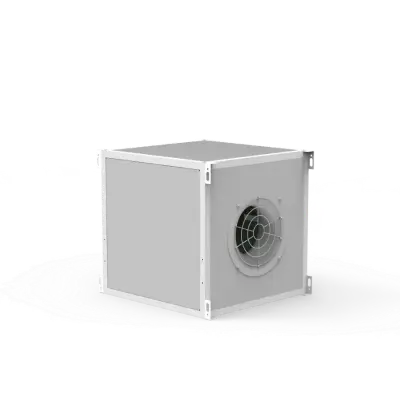
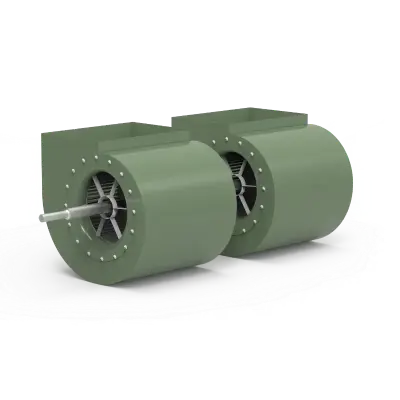
Fan selection for process heating depends on system temperature, pressure needs, and how air must flow through the heating zone. Commonly used models include Plug Fans and Air Kits for modular or ducted ovens, and High Pressure Backward Curved, RTS, and AF30 Fans for higher static pressure setups. nyb also supplies Compact GI Fans, Junior Fans, General Purpose Fans, Series 20, 30, & 45 GI Fans, and multiple types of Pressure Blowers for tighter layouts or direct integration into burner systems. Fans are available in carbon steel for general industrial use, or in stainless and heat-resistant alloys for high-temp, corrosive, or food-grade environments. Whether the application involves combustion air, recirculated heat, or drying tunnel movement, nyb offers a fan that matches the system’s thermal and airflow needs.
Challenges and Regulations
Challenges Faced and Regulations for Process Heating Fans
Process heating systems present several operational challenges, including the need for pulsation-free airflow to maintain burner stability in fans for boilers and fans for furnaces. Fan failure in these systems can lead to inconsistent heating, burner shutdowns, or product quality issues. Long-term mechanical reliability is essential, especially in critical heating zones where temperature control directly affects material performance. nyb fans are engineered to withstand sustained thermal exposure, with materials and designs that prevent deformation, corrosion, or vibration failure. Temperature ratings, airflow volume, and system pressure must all align with application specs. Additionally, combustion air fans should be serviceable without requiring full system shutdown, especially in continuous-run operations like chemical processing, food production, or metallurgical heat treating.
Related Products
Explore related fans.