































































Pressurizing Blowers
Industrial Pressurizing Blowers
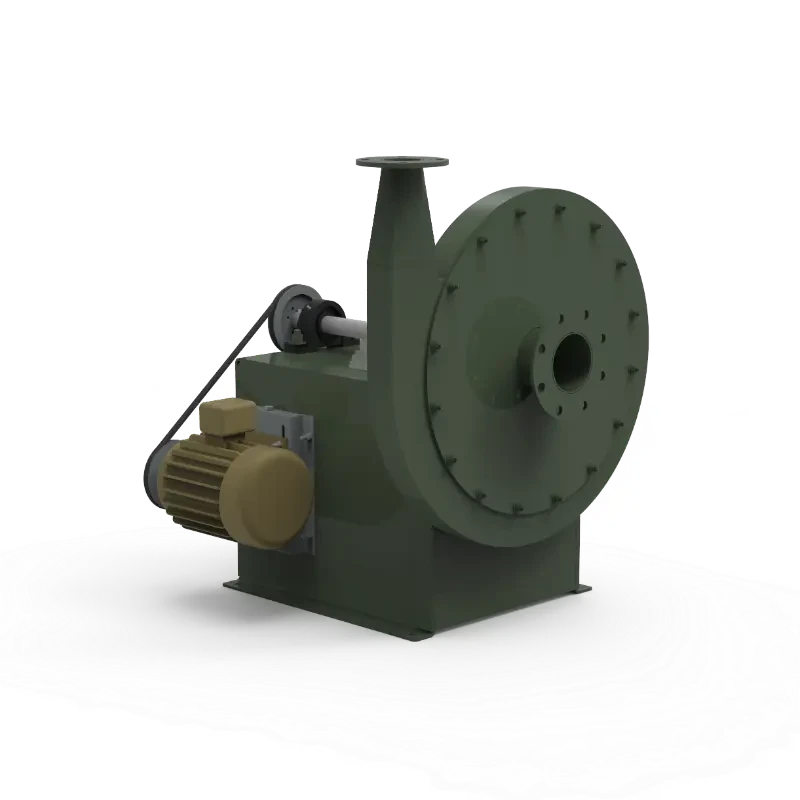
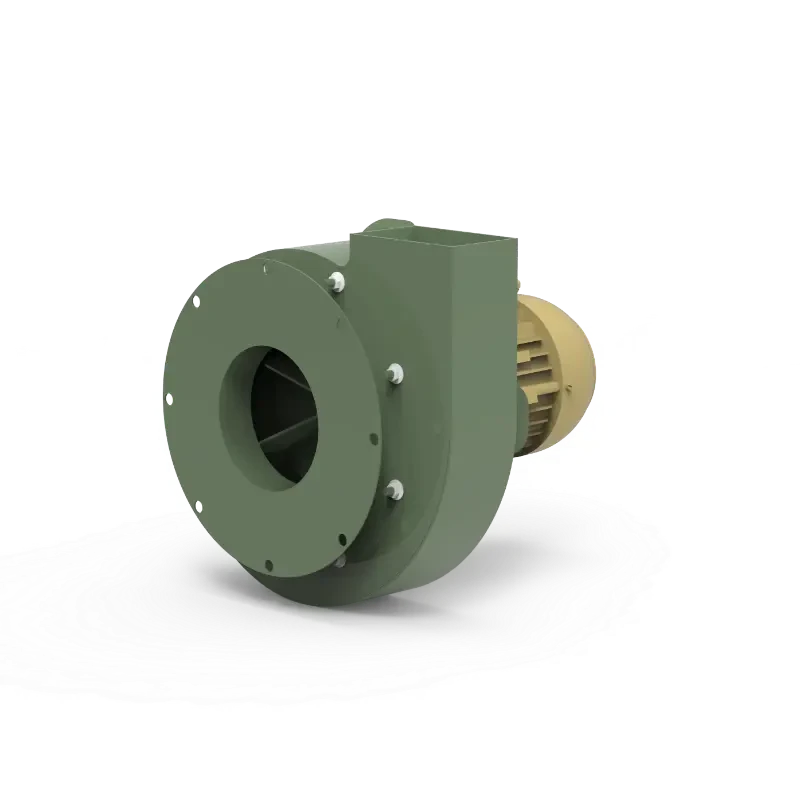
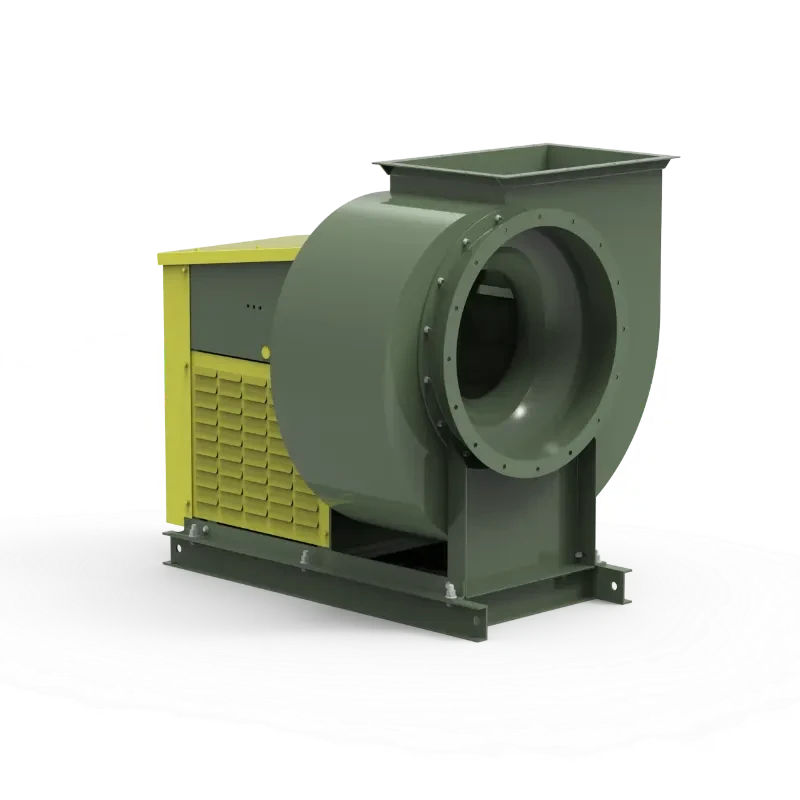
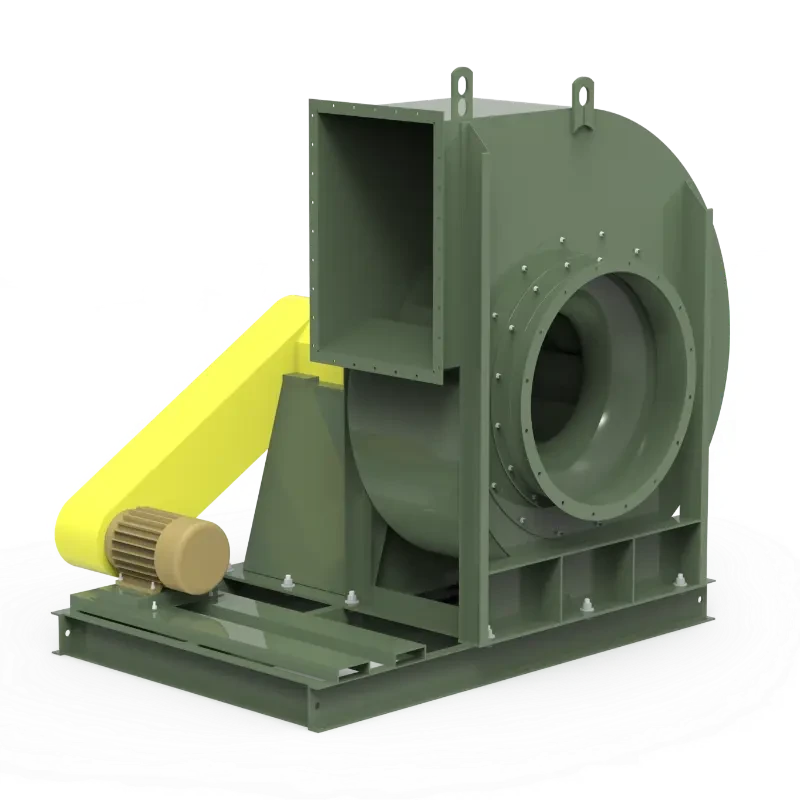
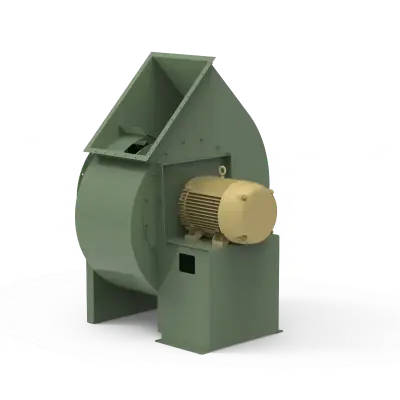
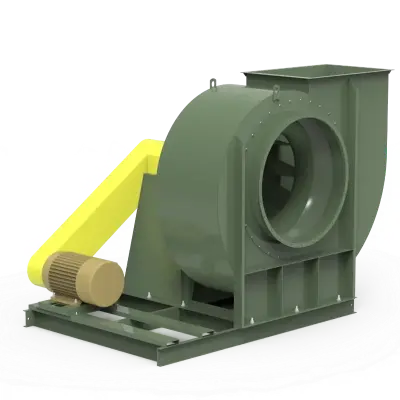
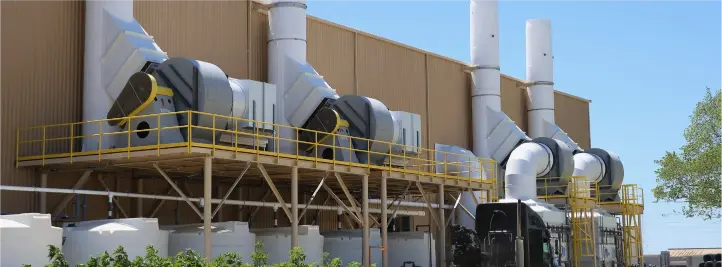
nyb pressurizing blowers deliver clean, efficient airflow to protect sensitive environments from contamination. With direct drive options and a range of materials, our positive pressure fans help you maintain a controlled, compliant space.
Technical Specs
Technical Specs for Pressurizing Blower Fans
Design Features
- Direct Drive Where Possible
- Bearings and Motors Suitable for the Location
- Shaft Seals with Ceramic Felt Elements or Shaft Hole Closures
- Housing Cleanout Door
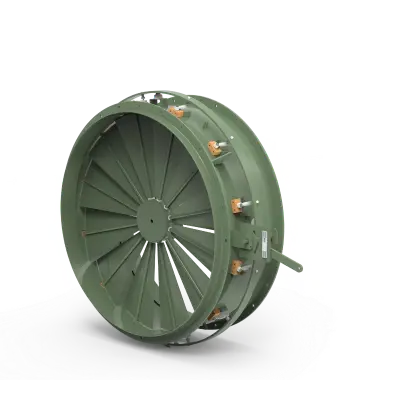
- Dampers
- Inlet Filters and Silencers
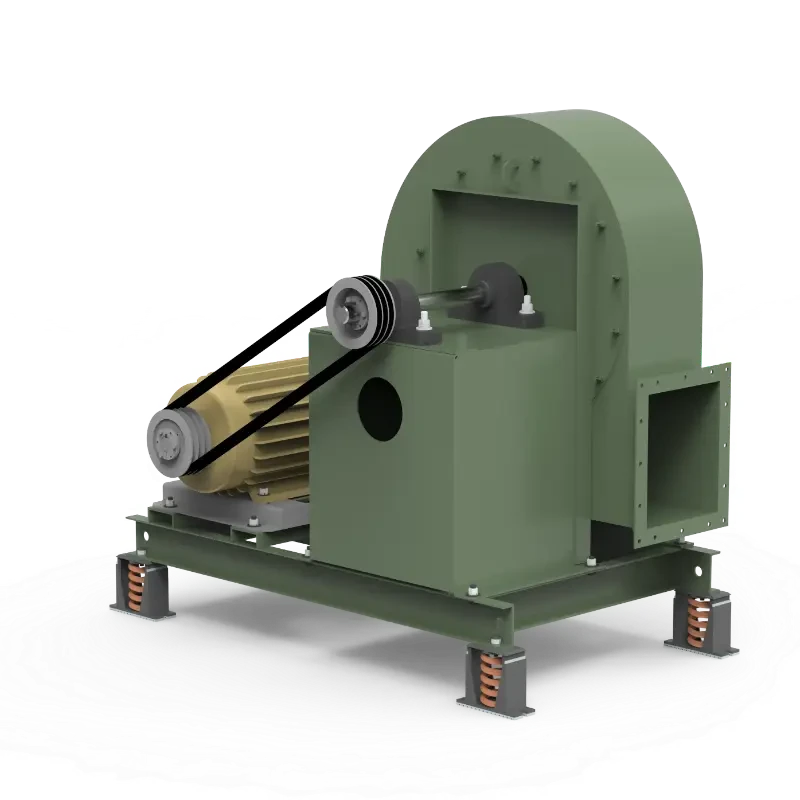
- Vibration Isolation and Flex Connectors
- Safety Guards and Electrical Disconnect
Available Materials of Construction
- Carbon Steel
- Stainless Steel
- Coated Carbon Steel
- FRP
Common Industries
- Cleanrooms
- Microchips
- Pharmaceutical
Applications
Applications of Industrial Fans in Pressurizing Blowers
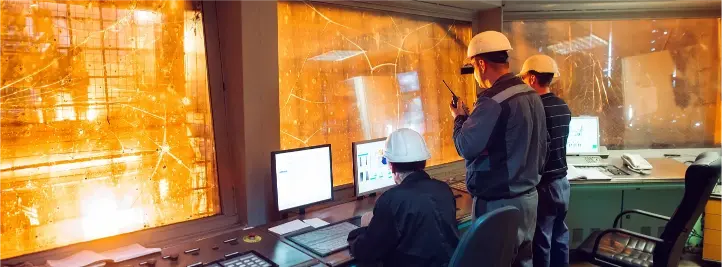
Industrial pressurizing blowers are used to create and maintain positive pressure in enclosed spaces—preventing contaminants from entering sensitive environments. These systems are commonly found in cleanrooms, control rooms, server/data centers, pharmaceutical processing, and certain laboratory or chemical manufacturing spaces. In these applications, centrifugal fans or pressure blowers force clean, conditioned air into the space, pushing out or blocking unfiltered external air. Positive pressurization also plays a critical role in pneumatic conveying systems and in spaces where temperature or humidity must remain tightly controlled. nyb’s positive pressure fans support precise airflow control, making them ideal for both large-scale industrial plants and smaller, high-purity environments.
Key Design Considerations
Key Design Considerations for Industrial Pressurizing Fans
Fan systems designed for pressurization must be capable of delivering steady, controllable airflow with minimal vibration or leakage. nyb fans are offered in direct drive configurations where possible for efficiency and simplicity. Motors and bearings are selected based on environmental exposure and isolation needs. Key features include ceramic felt shaft seals to contain airflow, clean-out doors for easy maintenance, and safety guards with electrical disconnects for compliance. Construction materials like stainless steel, carbon steel, coated carbon steel, aluminum, and FRP are chosen based on the space’s cleanliness, corrosion risk, and temperature range.
Fan Types
Fan Types Commonly Used in Pressurizing Blowers
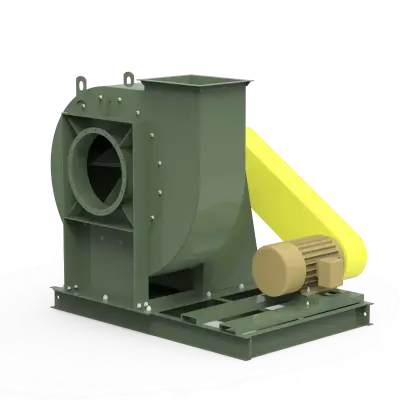
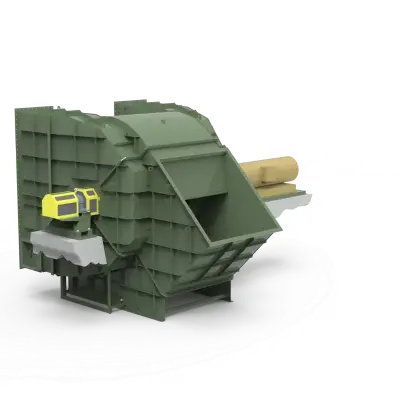
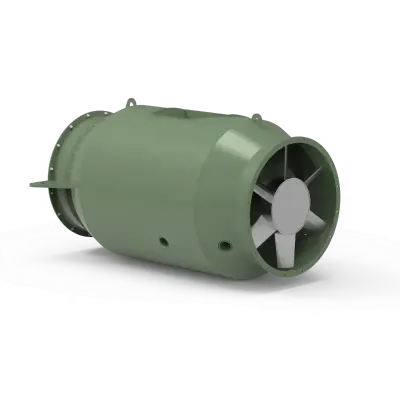
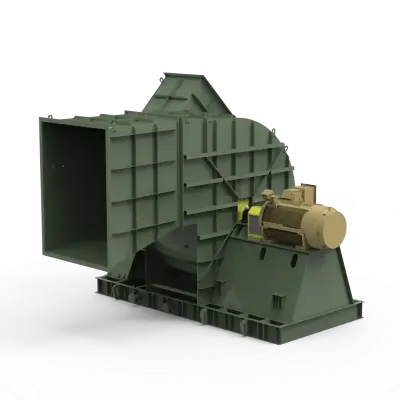
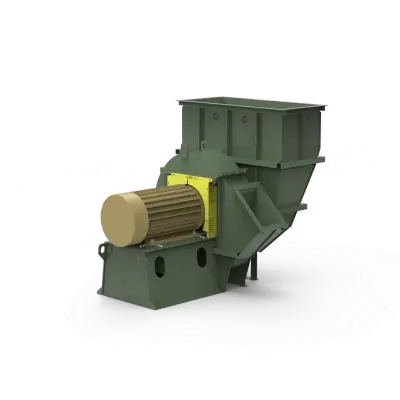
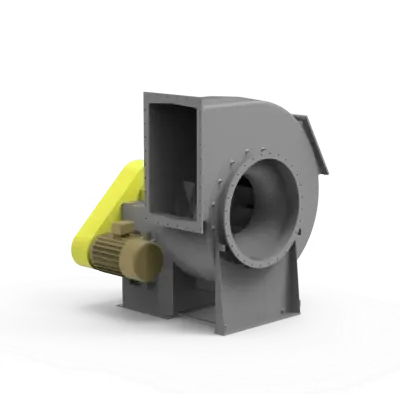
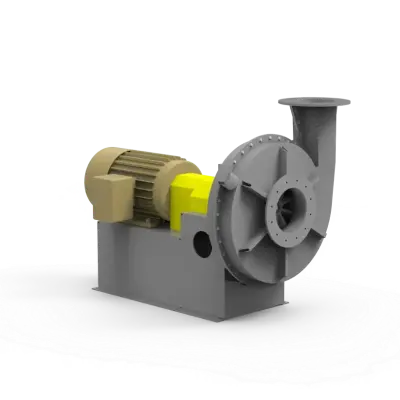
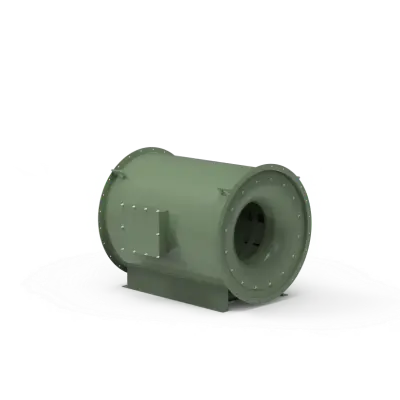
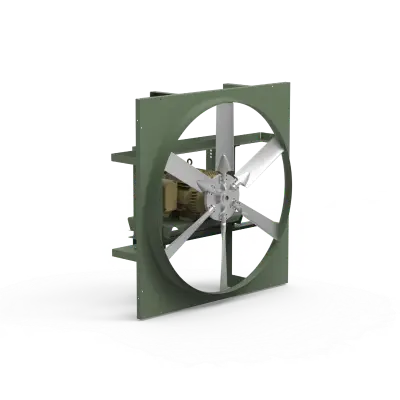
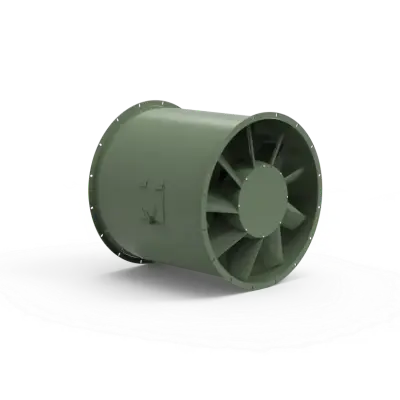
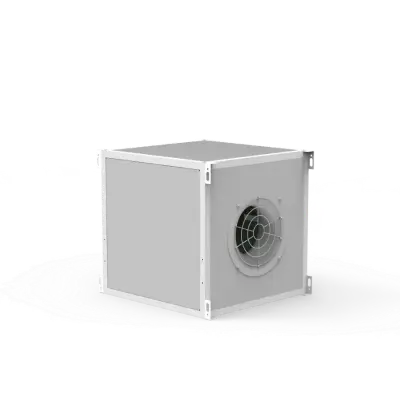
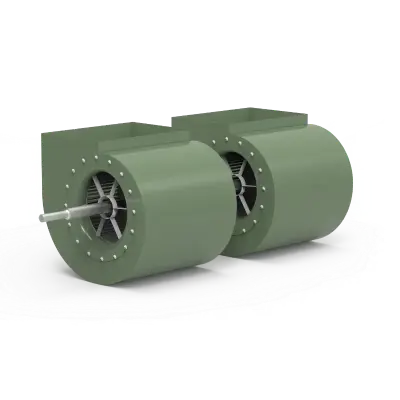
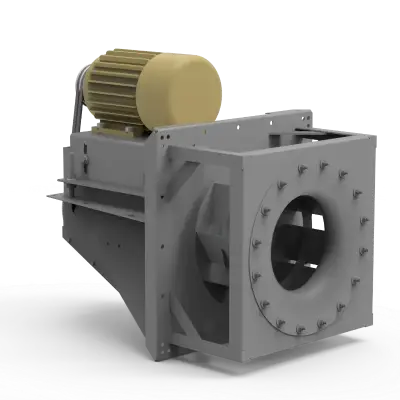
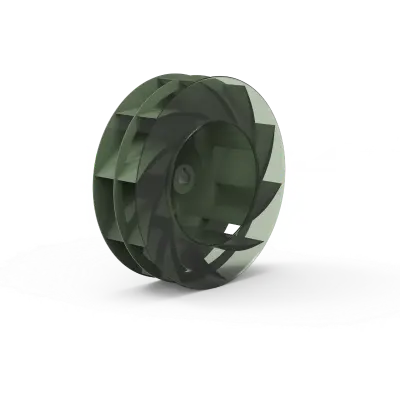
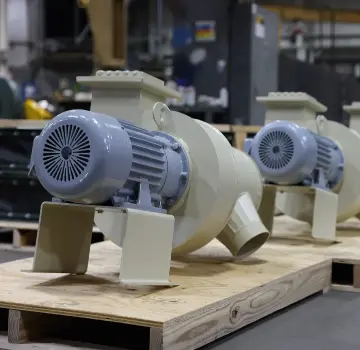
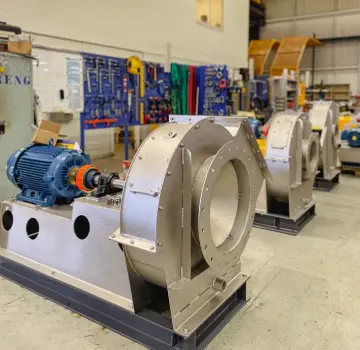
Pressurizing applications typically call for compact, high-efficiency centrifugal fans capable of maintaining steady pressure. nyb offers a range of suitable industrial pressurizing fans, including Direct Drive SWSI Class 1, 2, 3, & 4 Fans with ACF/PLR wheels, General Purpose Fans, Series 20 GI Fans, and Compact GI Fans for versatile use. For higher-pressure or space-constrained environments, Compact GI Fans, Compact Pressure Blowers, BC Pressure Blowers, and AF30 Fans are frequently chosen. RTS Fans and Pressure Blowers are well-suited for clean air or controlled air delivery. These air balancing fans are available in a variety of construction materials depending on specific environmental or performance demands.
Challenges and Regulations
Challenges Faced and Regulations in Pressurizing Blowers
Maintaining safe, comfortable, and contamination-free environments requires careful pressure control. When personnel occupy pressurized spaces, air must be filtered, temperature-controlled, and often humidified or dehumidified. nyb recommends industrial pressurizing fans with clean-air design and optional variable-speed control to adjust pressure output based on occupancy or operational shifts. Pressure must be balanced against exhaust systems to avoid backdraft or structural strain. Regulatory concerns include air quality standards, energy use, and equipment safety compliance—especially in pharmaceutical, biotech, or electronics manufacturing. nyb’s air balancing fans are engineered to handle these demands with reliability and precision.
Related Products
Explore related fans.